How to Make Your Bicycle a Stationary Bike
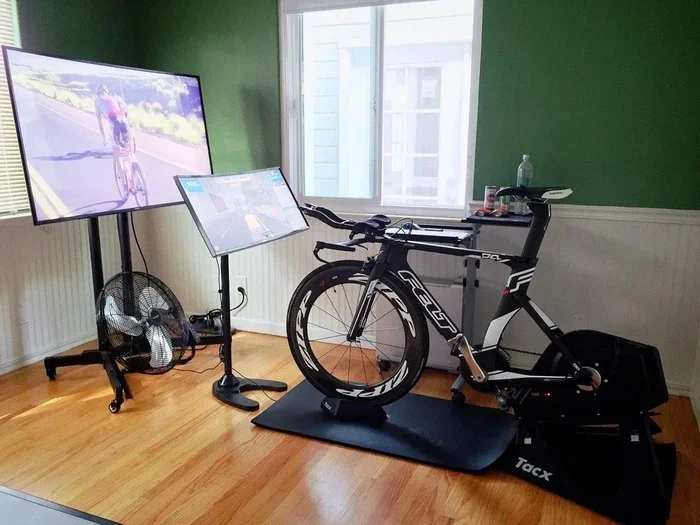
Turning your bicycle into a stationary bike is one of the smartest moves you can make for year-round fitness. With a simple bike trainer or rollers, you can transform your outdoor ride into an effective indoor cycling workout without buying a whole new machine. This guide walks you through every step, from choosing the right trainer to setting up your stationary bike for maximum comfort and performance.
There is something magical about taking your trusty bicycle and turning it into a powerful indoor fitness machine. Whether rain, snow, or just a busy schedule keeps you off the road, converting your bicycle into a stationary bike opens up a world of fitness possibilities right in your living room. You do not need expensive equipment or a garage full of tools. In fact, the process is simpler than most people think.
This guide covers everything you need to know. We will look at the different types of trainers, how to set up your bike, and tips to get the most out of every ride. By the end, you will feel confident enough to start your own bicycle-to-stationary-bike conversion today.
Key Takeaways
- Bike trainers and rollers are the two main options for converting your bicycle into a stationary bike at home.
- Proper setup matters for comfort, safety, and effective workouts on your converted bike.
- Indoor cycling burns serious calories and offers a great cardio workout without leaving your house.
- Resistance settings let you customize your training intensity to match your fitness goals.
- Regular maintenance keeps your converted bike running smoothly and lasting for years.
- Interval training works great on a stationary setup and helps you reach fitness goals faster.
- The conversion cost is much lower than buying a dedicated indoor cycling machine.
📑 Table of Contents
Why Convert Your Bicycle Into a Stationary Bike?
Outdoor cycling is fantastic. But life gets in the way. Bad weather, busy schedules, and safety concerns can all get in the way of your daily ride. A stationary bike conversion solves all of these problems at once.
Train Indoors Any Time
When your bike is set up indoors, you can ride whenever you want. Early morning before work? Go for it. Late evening after dinner? Perfect. You are not waiting for a sunny day or a safe road. Your home cycling setup is always ready.
Save Money on Gym Memberships
A quality bike trainer costs a fraction of what you would pay for a yearly gym membership. Plus, you get to keep using your own bicycle. Many people spend hundreds on indoor exercise bikes when they already own a perfectly good bike sitting in the garage.
Stay Consistent with Your Fitness Routine
Consistency is the secret to real fitness results. When your bike is right there in your living room, the barrier to entry drops to nearly zero. You can easily fit a quick cardio session into your daily routine without driving anywhere.
Types of Bike Trainers for Conversion
Not all trainers are created equal. Choosing the right one depends on your budget, space, and fitness goals. Here is a breakdown of the most popular options for turning your bike into a stationary bike.
Front Wheel Trainers
Front wheel trainers clamp onto your handlebars and lift the front wheel off the ground. The rear wheel stays on the ground and spins against a resistance unit. These trainers are simple and affordable. They work well for basic indoor cycling workouts and casual riders.
However, front wheel trainers can feel a bit unstable. Because only one wheel is on the ground, you may feel some wobble during intense pedaling. They are best suited for light to moderate riding.
Rear Wheel Trainers
Rear wheel trainers are the most popular choice. They clamp the rear wheel and lift the front wheel off the ground. The rear wheel spins on a roller that creates resistance. Convert a bicycle into a stationary bike with a rear trainer, and you get a much more stable feel.
Most rear trainers come in three types:
- Fluid trainers offer smooth, realistic resistance that changes with your speed.
- Magnetic trainers provide quiet, adjustable resistance levels.
- Wind trainers use fan blades for resistance and tend to be the most affordable.
Rollers
Rollers are a different beast entirely. Instead of clamping your bike, rollers are a set of three cylinders that your bike sits on. Both wheels spin freely, and you must balance yourself. This sounds harder than it is. Many cyclists actually prefer rollers because they improve your balance and pedaling form at the same time.
Rollers take a bit of practice to master. If you are a beginner, start with a trainer first and graduate to rollers once you feel confident.
Smart Trainers
Smart trainers connect to apps and devices. They automatically adjust resistance based on virtual courses or training programs. If you love technology and data, a smart bike trainer can take your indoor rides to the next level. These are more expensive but offer incredible features.
| Trainer Type | Price Range | Stability | Best For |
|---|---|---|---|
| Front Wheel Trainer | $30 – $80 | Moderate | Casual riders, beginners |
| Rear Wheel Trainer | $80 – $300 | High | Regular indoor training |
| Rollers | $100 – $400 | Variable | Experienced cyclists |
| Smart Trainer | $200 – $1,200 | High | Tech-savvy riders, racers |
How to Set Up Your Converted Stationary Bike
Once you have your trainer or rollers, the next step is setup. A proper setup makes a huge difference in comfort, performance, and safety. Many people skip this step and end up with an uncomfortable ride that they quickly abandon.
Choose the Right Spot
Find a flat, hard surface in your home. A garage, basement, or even a spare bedroom works well. Avoid carpet if possible, because it can make your bike wobble and trap heat from the trainer. A concrete or hardwood floor is ideal. Make sure you have enough space around the bike to move freely.
Good ventilation matters too. Indoor cycling can make you sweat a lot. A fan nearby helps keep you comfortable during longer sessions. If you are setting up in a garage, consider leaving the door open for airflow.
Secure Your Bike Properly
Make sure your trainer or rollers are stable before you start riding. Tighten all clamps firmly. Check that your bike is centered and balanced. A loose setup can lead to accidents or an uneven pedaling feel. If you are using a rear wheel trainer, make sure the rear wheel sits snugly on the roller.
Adjust for Your Height
Proper fit is essential for comfort and power. Your seat height, handlebar position, and pedal distance all matter. If you want guidance on getting the perfect fit, check out this resource on how to set up a stationary bike for your height. A well-fitted bike prevents pain and lets you ride longer with better efficiency.
Add a Fan and Water
This might sound like a small detail, but it makes a big difference. Place a fan in front of you to simulate the wind you would feel on an outdoor ride. Keep a water bottle within arm’s reach. Staying cool and hydrated helps you push harder and enjoy your sessions more.
Getting the Most Out of Your Indoor Rides
Now that your bike is set up, it is time to start riding. But simply spinning the pedals is not enough if you want real results. Here is how to make every minute count on your converted stationary bike.
Start with a Warm-Up
Always begin your ride with a 5 to 10 minute easy spin. This gets your blood flowing and your muscles ready. Keep the resistance low and focus on smooth, consistent pedaling. A good warm-up prevents injuries and prepares your body for harder work ahead.
Use Interval Training for Better Results
One of the biggest advantages of indoor cycling on a stationary setup is the ability to do structured interval training. Instead of maintaining a steady pace, you alternate between high-intensity bursts and recovery periods. This type of training boosts your cardiovascular fitness and burns more calories in less time.
For a structured approach to interval workouts, you can explore how to do interval training on a stationary bike. These workouts are proven to accelerate your fitness gains and keep your sessions exciting.
Track Your Progress
Keep track of your rides. Note the duration, distance, resistance level, and how you felt. Over time, you will see improvements in your endurance, speed, and power. Many smart trainers come with apps that do this automatically. Even a simple notebook works great.
Focus on Cadence
Cadence is how fast you turn the pedals. Most cyclists aim for 80 to 100 revolutions per minute. A higher cadence with lower resistance mimics climbing, while a lower cadence with higher resistance simulates sprinting. Mixing both styles in your cycling workout routine builds well-rounded fitness.
Burn More Calories with Smart Training
If your goal is weight loss, you can maximize your results with smart training strategies. To learn more about maximizing calorie burn during your rides, check out how to burn more calories on a stationary bike. Small adjustments to your intensity and duration can lead to big changes over time.
Common Mistakes to Avoid
Even with the best setup, mistakes can hold you back. Here are the most common ones and how to avoid them.
- Skipping the warm-up. Cold muscles are more prone to injury. Always ease into your ride.
- Setting the seat too low. This puts extra strain on your knees and reduces power output. Adjust until your leg is almost fully extended at the bottom of the pedal stroke.
- Riding without resistance. Spinning with no resistance does not build strength. Add enough resistance to feel challenged.
- Neglecting hydration. You sweat more indoors than you think. Dehydration kills performance fast.
- Doing the same workout every day. Your body adapts quickly. Vary your intensity, duration, and style to keep improving.
- Ignoring bike maintenance. Keep your chain clean and lubricated. Check tire pressure regularly. A well-maintained bike rides better and lasts longer.
Maintenance Tips for Your Converted Bike
Your bicycle was built for the outdoors. When you use it indoors, it faces different stresses. Heat, dust, and constant friction from the trainer can wear things down faster. A little maintenance goes a long way.
Clean After Every Ride
Wipe down your bike after each session. Sweat is corrosive and can damage metal parts and frame finish. A quick wipe with a damp cloth keeps things in good shape. Pay extra attention to the chain and the areas where the trainer clamps touch the frame.
Check Tire Pressure
Indoor riding puts constant pressure on the same spot of your rear tire. Check your tire pressure before every ride. Low pressure makes pedaling harder and increases the risk of flats. A good habit is to check with a gauge at least once a week.
Lubricate the Chain
A dry chain creates friction and wears out faster. Apply bike chain lube every two to three weeks, or more often if you ride frequently. Wipe off excess lube to avoid attracting dirt and grime.
Inspect the Trainer
Check your trainer or rollers for wear and tear. Tighten any loose bolts. Make sure the roller or resistance unit is spinning freely. A well-maintained trainer gives you a smoother, quieter, and safer ride every time.
Key Takeaways
- Converting your bicycle into a stationary bike is an affordable and practical way to keep cycling year-round.
- Rear wheel trainers and rollers are the most popular and effective options for indoor conversion.
- Proper setup, including seat height and placement, is critical for comfort and performance.
- Interval training on your stationary setup delivers fast fitness results and keeps workouts engaging.
- Avoid common mistakes like skipping warm-ups, riding without resistance, and neglecting hydration.
- Regular maintenance ensures your converted bike stays in great shape for years of indoor riding.
- The investment is small compared to the convenience and fitness benefits you gain.
Conclusion
Making your bicycle a stationary bike is one of the easiest and most rewarding fitness upgrades you can make. You do not need a fancy gym membership or a brand new exercise machine. A simple bike trainer or set of rollers transforms your existing bicycle into a powerful indoor cycling tool. The process is straightforward, the cost is reasonable, and the results speak for themselves.
Whether you want to stay fit through the winter, train for a race, or simply enjoy a convenient ride after work, a converted stationary bike delivers. Follow the setup tips in this guide, mix up your workouts, and stay consistent. Your fitness journey does not have to stop when the weather turns bad. With your bicycle converted and ready to go, every day is a ride day.
Start small. Set up your trainer this weekend. Take your first indoor spin and feel the difference. Once you experience the convenience and effectiveness of riding your bike indoors, you will wonder why you ever waited so long to make the switch.
Frequently Asked Questions
What do I need to convert my bicycle into a stationary bike?
You need a bike trainer or a set of rollers. Front wheel trainers, rear wheel trainers, and smart trainers are the most popular options. Rollers are another choice that improves balance and pedaling form. A trainer is the easiest and most affordable way to start.
Can any bicycle be converted into a stationary bike?
Most bicycles can be converted with a standard trainer or rollers. Road bikes, hybrid bikes, and mountain bikes all work well. Make sure your bike has a quick-release rear wheel if you plan to use a rear wheel trainer for easy setup and removal.
Is it safe to ride a converted stationary bike indoors?
Yes, it is safe when set up correctly. Place the trainer on a flat, hard surface. Secure all clamps tightly. Use a fan for ventilation and keep water nearby. Always start with a warm-up and ride at a comfortable intensity.
How much does it cost to convert a bicycle into a stationary bike?
The cost depends on the type of trainer you choose. Basic front wheel trainers start around $30. Rear wheel trainers range from $80 to $300. Rollers cost between $100 and $400. Smart trainers are more expensive, ranging from $200 to $1,200. This is far less than buying a dedicated indoor cycling machine.
How often should I maintain my converted stationary bike?
Clean your bike after every ride to prevent sweat damage. Check tire pressure weekly. Lubricate the chain every two to three weeks. Inspect the trainer for loose bolts or wear monthly. Regular maintenance keeps your setup safe and performing well.
Will riding a stationary bike help me lose weight?
Yes, indoor cycling is an effective way to burn calories and lose weight. A one-hour ride can burn 400 to 600 calories depending on intensity. Combining regular rides with a balanced diet and smart training strategies will help you reach your weight loss goals faster.