How Many Steps on Treadmill for 30 Minutes
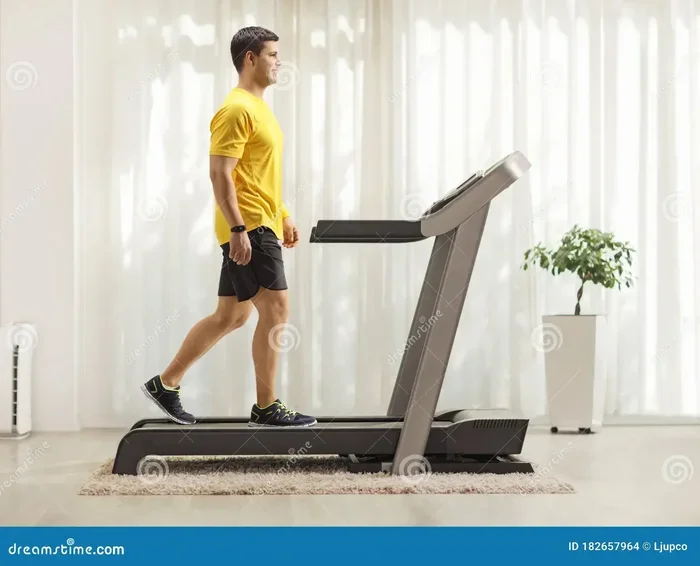
Walking on a treadmill for 30 minutes typically covers around 3,000 to 4,500 steps depending on your pace, stride length, and fitness level. This guide breaks down exact step counts, calorie burn, and practical tips to help you get the most from every treadmill session. Whether you are walking for health or training for weight loss, you will find everything you need right here.
Have you ever wondered exactly how many steps you rack up during a 30-minute treadmill session? Maybe you are trying to hit your daily step goal, or perhaps you just want to know if your workout is effective. Either way, the answer is more interesting than you might think.
The number of steps you take on a treadmill in 30 minutes depends on several factors. Your walking pace, stride length, fitness level, and even the incline all play a role. In this article, we will break down everything you need to know. You will learn average step counts, how to boost your numbers, and why a 30-minute treadmill session is one of the best habits you can build.
Let us dive right in and get you the answers you are looking for.
Key Takeaways
- Average Step Count: Most walkers complete 3,000 to 4,500 steps in 30 minutes on a treadmill.
- Pace Matters: A brisk walk yields more steps than a slow stroll, and running increases your count even further.
- Calorie Burn Is Significant: A 30-minute treadmill session can burn 150 to 400 calories based on intensity and body weight.
- Stride Length Changes Everything: Taller individuals or those with longer strides cover more distance per step.
- Consistency Wins: Doing 30 minutes daily on the treadmill builds sustainable habits and delivers long-term results.
- Track Your Progress: Using a fitness tracker or treadmill display helps you stay motivated and measure improvement.
📑 Table of Contents
How Many Steps Do You Take in 30 Minutes on a Treadmill?
The short answer is that most people take between 3,000 and 4,500 steps in 30 minutes on a treadmill. But this range is wide because everyone walks differently. Your pace and stride length are the biggest variables that determine your final count.
Step Count by Walking Speed
Your walking speed changes everything. Here is a quick breakdown of what to expect at different paces:
- Slow Walk (2.0 mph): Around 2,000 to 2,500 steps in 30 minutes.
- Moderate Walk (3.0 mph): Around 3,000 to 3,500 steps in 30 minutes.
- Brisk Walk (4.0 mph): Around 4,000 to 4,500 steps in 30 minutes.
- Light Jog (5.0 mph): Around 5,000 to 6,000 steps in 30 minutes.
As you can see, picking up the pace makes a big difference. Even shifting from a slow walk to a moderate one adds roughly 1,000 extra steps to your 30-minute session. That is a huge boost without needing to spend more time exercising.
If you want a more detailed look at step counts for specific time frames, check out our guide on how many steps is 30 minutes on the treadmill. It covers the same topic with additional data points and real-world examples.
Why Stride Length Matters
Stride length is the distance you cover with each step. People with longer legs naturally take fewer steps to cover the same distance. A person who is 6 feet tall will likely have a longer stride than someone who is 5 feet 4 inches. This means the taller person takes fewer steps but covers more ground.
On a treadmill, stride length is less variable than outdoors because the belt moves at a fixed speed. However, your natural gait still affects your step count. If you take shorter, quicker steps, your count goes up. If you take long, deliberate strides, your count goes down. Both are perfectly fine. The goal is to find a comfortable rhythm that keeps you moving for the full 30 minutes.
Calories Burned During a 30-Minute Treadmill Walk
Step count is only one piece of the puzzle. Many people also want to know about calorie burn. After all, steps are a measure of movement, but calories tell you how much energy you actually used.
Calorie Burn by Intensity
The number of calories you burn depends on your weight, walking speed, and incline. Here is a general estimate for a person weighing around 155 pounds:
- Slow Walk (2.0 mph): About 100 to 130 calories in 30 minutes.
- Moderate Walk (3.0 mph): About 140 to 180 calories in 30 minutes.
- Brisk Walk (4.0 mph): About 180 to 240 calories in 30 minutes.
- Incline Walk (3.0 mph at 5% incline): About 250 to 320 calories in 30 minutes.
Adding incline is one of the simplest ways to increase calorie burn without increasing your speed. Even a slight incline of 2% to 3% can make your muscles work harder and torch more calories.
If you are curious about total hourly burn, our article on how many calories burned on treadmill for one hour provides a deeper dive into calorie expenditure across different intensities and durations.
How Step Count Relates to Calorie Burn
Generally speaking, more steps mean more calories burned. But it is not a perfect 1-to-1 ratio. A brisk walk with fewer steps can burn more calories than a slow walk with more steps. This is because intensity matters just as much as volume. Your heart rate and effort level drive calorie expenditure more than the raw number of steps alone.
Benefits of a 30-Minute Treadmill Routine
Committing to 30 minutes on the treadmill each day is one of the smartest things you can do for your health. The benefits go far beyond just counting steps. Let us look at why this habit is so powerful.
Supports Weight Loss Goals
A 30-minute treadmill session burns a meaningful number of calories. Over a week, five sessions can add up to 750 to 1,200 extra calories burned. Combined with a balanced diet, this creates the calorie deficit needed for steady, sustainable weight loss.
For those specifically focused on reaching a step target for weight loss, our piece on how many steps on a treadmill to lose weight offers tailored guidance and practical strategies.
Improves Cardiovascular Health
Walking on a treadmill gets your heart pumping. Over time, this strengthens your cardiovascular system. Your resting heart rate may decrease, your blood pressure can improve, and your overall endurance will increase. These are all measurable improvements that come from consistent, moderate exercise.
Easy on Your Joints
One of the best things about treadmill walking is the low impact on your joints. The belt absorbs some of the shock that your feet would otherwise feel on pavement. This makes it an excellent option for people with knee issues, arthritis, or those who are just starting a fitness journey.
Convenience and Consistency
You do not need to worry about weather, traffic, or safety when you walk on a treadmill at home. This convenience removes excuses and makes it easier to stay consistent. And consistency is the single most important factor in any fitness routine.
Many people also ask whether 30 minutes a day is enough. Our article on will 30 minutes a day on the treadmill explores this question in detail and shares real results from people who committed to this exact routine.
How to Maximize Your 30-Minute Treadmill Workout
Want to get more out of your treadmill sessions? These practical tips will help you boost your step count, burn more calories, and stay motivated throughout every workout.
1. Use Interval Training
Instead of walking at a steady pace the entire time, try alternating between fast and slow intervals. For example, walk at 3.5 mph for two minutes, then increase to 4.5 mph for one minute. Repeat this cycle for 30 minutes. Intervals keep your body guessing and torch more calories than a steady pace alone.
2. Add Incline Gradually
Start with a flat belt and increase the incline by 1% every few minutes. By the end of your 30 minutes, you might be walking at a 5% or 6% incline. This simulates hill walking and engages more muscles in your legs and glutes. The result is a more intense workout without having to increase your speed.
3. Focus on Posture
Good posture makes your treadmill workout more effective. Stand tall, keep your shoulders back, and look straight ahead. Engage your core muscles and swing your arms naturally. Poor posture wastes energy and can lead to back pain over time. Proper form helps you walk longer and with better results.
4. Wear Proper Shoes
This might sound obvious, but many people underestimate the importance of supportive footwear. A good pair of walking shoes cushions your feet and supports your arches. This lets you walk longer without discomfort and reduces the risk of injury. Your shoes directly impact how many steps you can comfortably take in 30 minutes.
5. Track Your Progress
Most modern treadmills display step count, distance, and calories burned. Use this data to track your progress over weeks and months. Seeing your numbers improve is incredibly motivating. You can also use a fitness tracker or smartwatch to get even more detailed metrics.
Common Mistakes to Avoid
Even with the best intentions, it is easy to make mistakes on the treadmill. Here are a few to watch out for:
- Holding onto the handrails: This reduces your calorie burn and throws off your natural walking posture. Let your arms swing freely instead.
- Skipping the warm-up: Jumping straight into a fast pace can strain your muscles. Start slow for the first 3 to 5 minutes.
- Ignoring the cool-down: Slow down gradually at the end of your session. This helps your heart rate return to normal and prevents dizziness.
- Doing the exact same workout every day: Your body adapts quickly. Mix up your pace, incline, and duration to keep challenging yourself.
- Relying only on step count: Steps matter, but how you feel and your overall fitness progress matter just as much. Do not let a number on a screen discourage you.
Quick Tips for Getting Started
If you are new to treadmill walking, here are some quick tips to make starting easy:
- Start with just 15 minutes and add 5 minutes each week until you reach 30 minutes.
- Set a comfortable pace where you can still hold a conversation but feel slightly out of breath.
- Drink water before, during, and after your workout to stay hydrated.
- Create a playlist of upbeat songs or find a podcast you enjoy. Time flies when you are entertained.
- Schedule your sessions at the same time each day to build a habit.
Starting small and building up is the best approach. You do not need to hit 10,000 steps on day one. A steady 30-minute walk on the treadmill will get you there over time.
Final Thoughts
So, how many steps on treadmill for 30 minutes? The answer is typically between 3,000 and 4,500 steps, depending on your pace, stride length, and effort level. But the real takeaway is not just the number. It is the habit. It is the consistency. It is the commitment to showing up every day and moving your body.
A 30-minute treadmill session is one of the simplest and most effective things you can do for your health. It burns calories, strengthens your heart, lifts your mood, and brings you closer to your fitness goals. Whether you are walking for weight loss, general health, or just to clear your head, those 30 minutes matter.
Start today. Lace up your shoes, hop on the treadmill, and take that first step. Your future self will thank you.
Frequently Asked Questions
Is 3,000 steps in 30 minutes on a treadmill enough exercise?
Yes, 3,000 steps in 30 minutes is a solid start, especially if you are new to exercise. The World Health Organization recommends at least 150 minutes of moderate activity per week. A 30-minute daily treadmill walk contributes significantly toward this goal and offers real health benefits.
How can I increase my step count on the treadmill?
You can increase your step count by walking faster, adding incline, or incorporating interval training. Shorter, quicker steps naturally raise your count. Over time, these small changes add up and help you reach higher step totals in the same 30-minute window.
Does treadmill walking count toward my daily step goal?
Absolutely. Treadmill steps count the same as outdoor steps toward your daily goal. Whether you use a fitness tracker or the treadmill display, every step is counted. This makes the treadmill a reliable tool for hitting your daily target.
What is the best walking speed for a 30-minute treadmill session?
A moderate walking speed of 3.0 to 3.5 mph is ideal for most people. It is fast enough to elevate your heart rate but slow enough to sustain for 30 minutes without exhaustion. You should be able to talk comfortably but feel slightly breathless.
Can I lose weight by walking on a treadmill for 30 minutes daily?
Yes, walking on a treadmill for 30 minutes daily can support weight loss, especially when combined with a balanced diet. A consistent routine burns extra calories, improves metabolism, and builds a sustainable habit. Pair your treadmill sessions with healthy eating for the best results.
Should I walk on an empty stomach or after eating?
This depends on your preference and how your body feels. Some people enjoy a fasted walk in the morning for a light calorie burn. Others prefer walking after a small meal or snack for energy. Listen to your body and choose what feels right for you. Staying hydrated matters either way.
=== CONCLUSION ===
A 30-minute treadmill session is a powerful, accessible, and effective way to boost your daily step count and improve your overall health. Most people take between 3,000 and 4,500 steps in that time, and the calorie burn adds up quickly when you stay consistent. The beauty of treadmill walking is its simplicity. You do not need fancy equipment, a gym membership, or complicated routines. Just show up, walk, and let the results build over time.
Use the tips in this article to get more from every session. Track your progress, mix up your pace, and challenge yourself with incline intervals. And remember, every single step counts toward a healthier, stronger you. Start your 30-minute treadmill routine today and feel the difference it makes.