Does Running on the Treadmill Make You Faster
Does running on the treadmill make you faster? The short answer is yes, when you train with intention. The treadmill offers a controlled environment that helps you build speed, endurance, and consistency, which directly improve your outdoor running performance. By adjusting your pace, incline, and training plan correctly, you can unlock real speed gains that translate to the road.
Key Takeaways
- Treadmill running builds leg turnover: The moving belt forces quicker foot strikes, boosting your cadence over time.
- Incline training mimics outdoor resistance: Adding hills on the treadmill builds strength for faster running on flat terrain.
- Controlled speed workouts sharpen pacing: You can set precise intervals to practice race effort without external distractions.
- Treadmill running improves mental toughness: Staring at a wall builds discipline that helps you push through tough race moments.
- Consistent belt feedback enhances form: The stable surface lets you focus on posture and stride efficiency, reducing injury risk.
- Treadmill speed translates to outdoor gains: With proper training, treadmill workouts directly boost your real-world running speed and confidence.
📑 Table of Contents
- What Does It Mean to Run Faster on a Treadmill?
- How Running on a Treadmill Can Improve Your Speed
- Treadmill vs. Outdoor Running: Which Makes You Faster?
- Training Techniques to Boost Your Speed on the Treadmill
- Common Mistakes That Slow You Down on the Treadmill
- Final Thoughts: Does Running on the Treadmill Make You Faster?
What Does It Mean to Run Faster on a Treadmill?
Let’s be honest. Most of us hop on a treadmill with one goal in mind: to get faster. Whether you’re chasing a new personal best or just trying to keep up with your running buddy, speed matters. But here’s the big question that every runner asks at some point — does running on the treadmill make you faster?
The short answer is yes, it absolutely can. But the longer answer involves understanding how treadmill running works, what your body actually experiences, and how to train smart for real speed gains. A treadmill workout isn’t just about standing on a moving belt. It’s a tool. And like any tool, how you use it determines the results you get.
In this article, we’ll break down the science, the training techniques, and the common mistakes that either help or hurt your pace. By the end, you’ll know exactly how to use your treadmill to become a faster runner.
How Running on a Treadmill Can Improve Your Speed
So, does running on the treadmill make you faster in practical terms? Absolutely. Here’s why. A treadmill gives you something outdoor running simply can’t — total control over your environment. You set the pace. You adjust the incline. You track every single metric. This consistency is a huge advantage for building speed.
Consistent Pace Training
One of the biggest benefits of treadmill running is the ability to hold a steady pace. Outdoors, wind, hills, traffic, and even your mood can throw off your rhythm. On a treadmill, the belt moves at exactly the speed you set. This kind of pace improvement training trains your legs and lungs to adapt to a specific output, which directly translates to faster race times.
Think of it this way. If you run a 7-minute mile on the treadmill five times a week, your body starts to believe that’s its normal. Over time, that pace feels easier. Your cardiovascular fitness improves, your aerobic capacity grows, and your legs simply move faster.
Interval Training for Speed Gains
If you really want to get fast, you need to train fast. Interval training on a treadmill is one of the most effective methods for boosting your top-end speed. You alternate between hard sprints and easy recovery periods. This pushes your body to adapt to speeds it isn’t used to.
Here’s a simple treadmill interval workout to try:
- Warm up at an easy jog for 5 minutes
- Run at 90% effort for 1 minute
- Recover at 50% effort for 2 minutes
- Repeat 6 to 8 rounds
- Cool down for 5 minutes
This type of sprint training forces your muscles and lungs to work harder. Over weeks, you’ll notice your regular pace feels much more comfortable. That’s real speed gains at work.
Building Running Form and Stride Efficiency
Another reason treadmill running can boost your speed is that it encourages better running form. The belt pulls your foot back, which helps you land more efficiently. You naturally focus on cadence and turnover. Over time, this improved stride length and foot strike pattern carry over into your outdoor runs.
Plus, because you can’t look behind you on a treadmill, you stay locked in. There are fewer distractions. This mental focus is something many runners overlook, but it plays a big role in running performance.
Treadmill vs. Outdoor Running: Which Makes You Faster?
This is the debate that never ends. Some runners swear by the outdoors. Others prefer the treadmill. The truth is, both have strengths. But when it comes specifically to speed development, the treadmill often has the edge.
Why the Treadmill Has an Advantage
Research shows that running on a treadmill can feel easier at the same pace as outdoor running. The belt assists your foot, and there’s no wind resistance. That means you can push harder without fighting the elements. This makes it a fantastic tool for endurance building and speed work alike.
You also don’t have to worry about weather. Rain, snow, or extreme heat won’t stop a treadmill workout. This kind of consistency is key for long-term fitness goals.
Where Outdoor Running Wins
That said, outdoor running does something a treadmill can’t. It engages more stabilizer muscles because the ground is uneven. You deal with turns, curbs, and varying terrain. This builds real-world strength and balance. For overall running performance, mixing both environments is ideal.
Quick Comparison: Treadmill vs. Outdoor Running for Speed
- Treadmill: Better for controlled pace work, interval training, and consistent speed sessions
- Outdoor: Better for building real-world strength, balance, and mental toughness
- Best approach: Combine both for maximum speed and endurance gains
The Science Behind Treadmill Speed
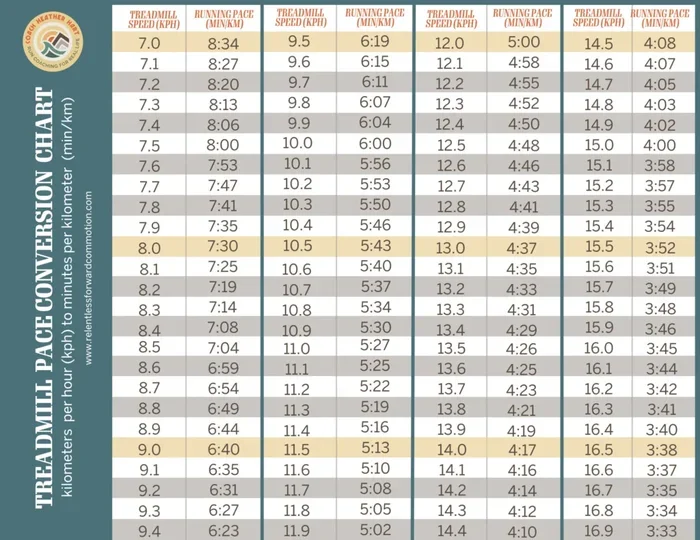
Studies have found that the belt speed on a treadmill can sometimes feel different from your actual outdoor pace. This is why it’s important to calibrate your perception. Use the treadmill’s display, a watch, or even a heart rate monitor to make sure you’re hitting the right intensities. Don’t just guess.
Training Techniques to Boost Your Speed on the Treadmill
Now that you know does running on the treadmill make you faster, let’s talk about how to actually do it. It’s not just about hopping on and running. You need a plan.
Progressive Overload
This is the golden rule of training. Start with a pace that feels comfortable. Then, week by week, increase the speed by small increments. Even adding 0.2 mph every week adds up fast. Your body adapts gradually, and your pace improvement becomes noticeable within a few weeks.
Incline Work for Strength
One of the best-kept secrets in treadmill training is the incline. Cranking up the treadmill incline to 3-5% simulates outdoor running conditions. It also strengthens your glutes, hamstrings, and calves. Stronger legs mean more power, which means faster running.
Try this: run at a moderate pace with a 4% incline for 10 minutes. Then drop the incline back to 1% and increase your speed by 0.5 mph. You’ll feel the difference immediately in your leg drive.
Tempo Runs on the Treadmill
A tempo run is a sustained effort at a pace slightly faster than your normal race pace. On a treadmill, this is easy to execute. Set the belt to your tempo pace and hold it. No slowing down, no distractions.
Tempo runs build cardiovascular fitness and teach your body to clear lactate more efficiently. This directly improves your ability to sustain faster speeds during races and workouts.
Use the Right Treadmill Running Tips
Here are some quick treadmill running tips to keep in mind:
- Always warm up before pushing hard
- Don’t hold the handrails — it changes your natural gait
- Keep your eyes forward, not down at the console
- Stay hydrated, even in a climate-controlled room
- End with a cool-down to prevent dizziness and soreness
Common Mistakes That Slow You Down on the Treadmill
It’s not just about what you do right. Avoiding mistakes is just as important. Here are the most common errors that hold runners back.
Running Without a Plan
Jumping on the treadmill and just running at whatever speed feels easy won’t make you faster. You need structure. Whether it’s intervals, tempo runs, or progressive sessions, always have a goal for each workout. Random runs produce random results.
Ignoring Rest Days
Your muscles don’t grow during the workout. They grow while you rest. Skipping recovery days leads to fatigue, plateaus, and even injury. Make sure your weekly schedule includes at least one or two rest days between hard treadmill workouts.
Holding the Handrails
You might have seen others gripping the bars while walking or jogging. While this is fine for beginners, it reduces your calorie burn and throws off your running form. If you need to hold on, lower the speed instead. Your body learns better when it’s fully engaged.
Neglecting Incline
Running flat at 1% or 2% for every session builds a limited range of fitness. Mixing in incline work strengthens your posterior chain and improves your overall running performance. Don’t be afraid to push the buttons.
Chasing Calorie Numbers
Many people focus too much on the calorie counter on the treadmill display. These numbers are often inaccurate. Instead, focus on calorie burn through consistent effort and intensity. Trust your training, not the screen.
Final Thoughts: Does Running on the Treadmill Make You Faster?
So, does running on the treadmill make you faster? Without a doubt, yes — when used correctly. The treadmill is a powerful tool for building speed, improving cardiovascular health, and developing disciplined training habits. From interval training to tempo runs, it offers unmatched control over your workout.
But it’s not magic. You need a plan, consistency, and the right techniques. Mix treadmill sessions with outdoor runs for the best results. Focus on form, push your limits gradually, and don’t make the common mistakes that slow most runners down.
The bottom line: your fitness goals are within reach. The treadmill can be your partner in getting there. Lace up, press start, and commit to the process. Faster runs are ahead.
Frequently Asked Questions
Does Running on the Treadmill Make You Faster?
Yes, treadmill training can genuinely help you run faster. The consistent belt pace forces you to maintain a set speed, which builds endurance and leg turnover over time. Many runners also use incline settings to simulate hill workouts, which builds strength that directly translates to faster outdoor runs.
How Does Treadmill Running Compare to Outdoor Running for Speed?
Treadmill running removes variables like wind resistance and uneven terrain, making it easier to hold a steady pace. This controlled environment allows you to focus purely on your form and pacing strategy. However, outdoor running engages more stabilizing muscles, so combining both types of training gives you the best results for speed gains.
Can Treadmill Training Improve Your Running Speed?
Absolutely. Treadmill interval workouts let you push your speed limits safely because the belt keeps up with you. You can also fine-tune your pace with precision, which helps you train at specific speeds you want to achieve outdoors. Over time, this type of structured treadmill training builds the cardiovascular fitness needed to run faster.
Why Do Runners Use Treadmills to Get Faster?
Runners use treadmills because they offer a controlled, repeatable surface that reduces injury risk compared to hard outdoor surfaces. You can also easily adjust speed and incline to create progressive training plans that target speed and stamina. Plus, the convenience means you can train consistently, which is the real key to getting faster.
Does Treadmill Speed Translate to Outdoor Speed?
Most treadmill speed gains do transfer to outdoor running, though there is a small adjustment period. Outdoor running requires more effort due to wind drag and ground impact, so you may feel slightly slower at first. With a few outdoor sessions to adapt, your treadmill-trained speed will carry over naturally.
How Often Should You Run on a Treadmill to See Speed Improvements?
Training on the treadmill three to four times per week is a solid schedule for seeing noticeable speed improvements. Pair those sessions with rest days and one outdoor run to keep your body adapted to different surfaces. Consistency matters more than perfection, so sticking to a regular treadmill routine will steadily build your pace over several weeks.