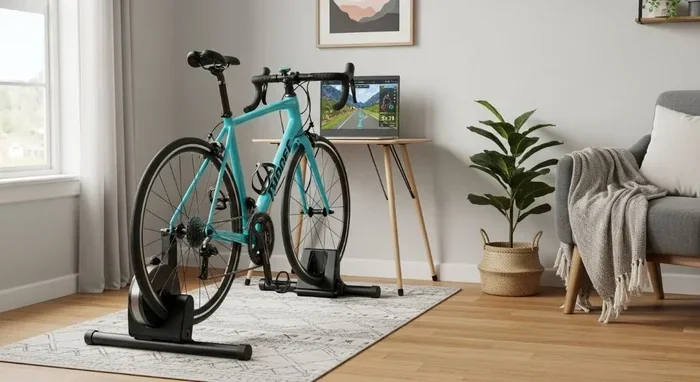
How to Burn More Calories on Stationary Bike

Want to burn more calories on a stationary bike? This guide covers everything you need, from adjusting bike settings and using interval training to tracking your calorie burn accurately. You will learn simple, actionable tips that turn your regular ride into a high-calorie-burning workout. Whether you are a beginner or a seasoned cyclist, these strategies will help you get the most out of every session.
Riding a stationary bike is one of the easiest and most effective ways to burn calories at home. Whether you are trying to lose weight, build endurance, or just stay active, your bike can deliver serious results. But here is the thing, not every ride burns the same number of calories. How you set up your bike, how hard you push, and how long you ride all matter a lot.
In this guide, we will walk you through proven ways to burn more calories on a stationary bike. You will learn how to adjust your settings, use smart workout techniques, and avoid common mistakes that slow you down. By the end, you will have a clear plan to get the most out of every single session. Let us get started.
Key Takeaways
- Increase resistance and pedal faster: Small adjustments to your bike settings can significantly boost calorie burn during every ride.
- Use interval training: Alternating between high intensity and recovery periods is one of the most effective ways to torch calories on a stationary bike.
- Track your heart rate: Training in the right heart rate zone ensures you are working hard enough to maximize calorie expenditure.
- Optimize your bike setup: Proper seat height, posture, and foot placement make a big difference in workout efficiency and calorie output.
- Consistency matters: Sticking to a regular stationary bike routine builds endurance and helps you burn more calories over time.
- Combine strategies for best results: Mixing resistance changes, intervals, and proper form delivers the fastest calorie-burning results.
📑 Table of Contents
- Why Stationary Bike Workouts Are Great for Burning Calories
- How to Set Up Your Bike for Maximum Calorie Burn
- Use Interval Training to Burn More Calories
- How Heart Rate Zones Boost Your Calorie Burn
- Common Mistakes That Reduce Your Calorie Burn
- How Long Should You Ride to Burn More Calories?
- Expert Tips to Maximize Your Stationary Bike Calorie Burn
- Final Thoughts
Why Stationary Bike Workouts Are Great for Burning Calories
A stationary bike workout is one of the best cardio exercises you can do. It is low impact, which means it is gentle on your joints. At the same time, it engages your legs, core, and even your upper body when you pedal with proper form. The calorie burn from cycling adds up fast, especially when you use the right techniques.
Here are a few reasons why indoor cycling is so effective for burning calories:
- Low impact exercise: Unlike running, cycling puts very little stress on your knees and ankles.
- Easy to control intensity: You can adjust resistance and speed to match your fitness level.
- Burns fat efficiently: Consistent cycling helps your body tap into fat stores for energy.
- Accessible for all fitness levels: Whether you are a beginner or an athlete, a stationary bike works for you.
- Can burn 400 to 1,000+ calories per hour: Depending on intensity, your calorie burn can be very high.
If you want to know exactly how many calories you can expect to burn, check out our guide on how many calories you can burn on a stationary bike. It gives you a clear picture based on your weight, intensity, and ride duration.
How to Set Up Your Bike for Maximum Calorie Burn
The way you set up your stationary bike has a huge impact on how many calories you burn. A proper setup helps you pedal more efficiently, work harder without getting tired too fast, and target the right muscles. Taking just a few minutes to adjust your bike can make a real difference.
Adjust Your Seat Height
Your seat height affects your pedaling power. When your seat is too low, you lose leverage and your knees strain. When it is too high, you cannot reach the pedals properly. Here is how to get it right:
- Stand next to your bike and set the seat at hip level.
- Sit on the bike and place your heel on the pedal at the lowest point.
- Your leg should be fully extended but not locked.
- When you pedal with the ball of your foot, you should have a slight bend in your knee.
For more tips on getting your bike dialed in, read our article on how to adjust the seat on a stationary bike.
Set the Right Resistance Level
Resistance is the key to burning more calories. When you increase resistance, your muscles work harder, which means your body burns more energy. Many people keep resistance too low because it feels easier. But a lighter burn is not always a better workout.
Try this approach:
- Start with a moderate resistance level for warm-up.
- Increase resistance gradually during your main workout.
- Use higher resistance for short bursts, then drop back down for recovery.
- Aim to feel challenged but not exhausted after 5 to 10 minutes at a given level.
The goal is to find a resistance level where your legs feel the burn but you can still maintain a steady pace. Over time, push that level higher to keep challenging your body.
Focus on Your Posture
Good posture on the bike helps you breathe better and pedal with more power. Keep your back straight, your shoulders relaxed, and your core engaged. Slouching or hunching over reduces your lung capacity and makes your muscles work less efficiently. A strong, upright position lets you sustain higher intensity for longer, which directly increases your calorie burn.
Use Interval Training to Burn More Calories
If you want to maximize your calorie burn rate, interval training is the way to go. Instead of pedaling at a steady pace the entire time, you alternate between high intensity bursts and lower intensity recovery periods. This approach keeps your heart rate up and your body burning calories even after you stop riding.
Research shows that interval training can boost your calorie burn by 25 to 30 percent compared to steady-state riding. It also improves your cardiovascular fitness faster, which means you can ride longer and harder over time.
What Is Interval Training on a Stationary Bike?
Interval training means switching between hard effort and easy effort during your ride. For example, you might pedal as fast as you can for 30 seconds, then slow down and recover for 60 seconds. You repeat this cycle for the duration of your workout.
The beauty of intervals is that they do not require long workout sessions to be effective. Even a 20-minute interval session can burn more calories than a 40-minute steady ride.
Sample Interval Workout
Here is a simple interval workout you can try today:
- Warm up: Pedal at a comfortable pace with low resistance for 5 minutes.
- High intensity: Increase resistance and pedal as fast as you can for 30 seconds.
- Recovery: Drop resistance and pedal slowly for 60 seconds.
- Repeat: Continue alternating for 15 to 20 minutes.
- Cool down: Pedal at a slow pace with low resistance for 5 minutes.
For a more detailed guide on this technique, check out our how to do interval training on a stationary bike article. It breaks down different interval methods and helps you build a personalized plan.
Try HIIT for Even Faster Results
HIIT, or High Intensity Interval Training, takes interval riding to the next level. During a HIIT session, you push yourself to near maximum effort during the hard intervals. This creates an afterburn effect, where your body continues to burn calories at an elevated rate for hours after your workout ends.
You can learn more about HIIT on the bike in our how to do HIIT training on a stationary bike guide.
How Heart Rate Zones Boost Your Calorie Burn
Your heart rate is one of the best indicators of how hard your body is working. Training in the right heart rate zone helps you push hard enough to burn maximum calories without overdoing it. When you stay in the zone, your body efficiently taps into both carbohydrates and fat for fuel.
Understanding the Five Heart Rate Zones
Here is a quick breakdown of the five heart rate zones and what they mean for your calorie burn:
- Zone 1 (50 to 60% of max heart rate): Very light effort. Good for warm-up and recovery.
- Zone 2 (60 to 70%): Moderate effort. Burns fat and builds endurance.
- Zone 3 (70 to 80%): Vigorous effort. Improves cardiovascular fitness and burns a high number of calories.
- Zone 4 (80 to 90%): Hard effort. Boosts performance and triggers significant calorie burn.
- Zone 5 (90 to 100%): Maximum effort. Used for short bursts during interval training.
For the best calorie burn, aim to spend most of your ride in Zone 3 or Zone 4. Use a heart rate monitor or the sensors on your bike to track your zones in real time.
How to Get Your Heart Rate Up on the Bike
If you struggle to reach the right heart rate zones, you can try increasing resistance, pedaling faster, or standing up slightly during your ride. For detailed tips, read our guide on how to get heart rate up on stationary bike. It covers simple techniques that help you push harder and burn more calories.
Common Mistakes That Reduce Your Calorie Burn
Even with the best intentions, some habits can hold back your calorie burn. Knowing what to avoid helps you get more from every ride. Here are the most common mistakes people make on a stationary bike:
Keeping Resistance Too Low
This is the number one mistake. Many riders stay in a light gear because it feels easy and comfortable. But low resistance means your muscles do not work hard enough to burn significant calories. You might be pedaling for 45 minutes and only burning a fraction of what you could.
Riding at the Same Pace Every Time
Your body adapts quickly to repetitive workouts. If you always ride at the same speed and resistance, your calorie burn will plateau. Mixing up your routine with intervals, resistance changes, and varied pacing keeps your body challenged and your calorie burn high.
Skipping the Warm-Up
Jumping straight into high intensity without warming up is inefficient. Your muscles need time to loosen up, and your heart rate needs to rise gradually. A proper warm-up prepares your body to work harder from the start, which means more calories burned from the beginning of your ride.
Slouching or Leaning Too Much
Poor posture reduces your lung capacity and limits your power output. When you slouch, you cannot breathe deeply, and your muscles receive less oxygen. This forces you to slow down or stop sooner, cutting your calorie burn short.
Not Tracking Your Progress
If you do not track your rides, you cannot measure your progress. Use your bike’s display, a fitness app, or a heart rate monitor to log your sessions. Tracking helps you see how many calories you burn, how your fitness improves, and where you need to push harder.
How Long Should You Ride to Burn More Calories?
The duration of your ride plays a big role in your total calorie burn. Longer rides naturally burn more calories, but the intensity of your workout matters just as much. A short, intense session can sometimes burn more calories than a long, easy one.
Here is a general guide based on ride length and intensity:
- 15 to 20 minutes (high intensity): Burns approximately 200 to 400 calories, depending on your weight and effort level.
- 30 minutes (moderate intensity): Burns roughly 300 to 600 calories.
- 45 minutes (moderate to high intensity): Burns approximately 450 to 900 calories.
- 60 minutes (high intensity): Burns 600 to 1,200+ calories.
Keep in mind that these numbers vary based on your body weight, fitness level, bike settings, and how hard you push. If you want to burn a specific number of calories, you can use a calorie calculator or check out our article on how to calculate calories burned on a stationary bike for step-by-step guidance.
For those who want to burn 500 calories specifically, our guide on how long to burn 500 calories on a stationary bike gives you time estimates and workout plans tailored to different intensity levels.
Expert Tips to Maximize Your Stationary Bike Calorie Burn
Beyond the basics, there are a few expert-level strategies that take your calorie burn to the next level. These tips come from coaches and fitness professionals who work with indoor cyclists every day.
Add Standing Intervals
Standing up while pedaling engages your core, glutes, and upper body in addition to your legs. This shifts more muscles into the workout, which increases your calorie burn. Try standing for 1 to 2 minutes during high resistance intervals, then sit back down to recover.
Increase Cadence Gradually
Cadence is how fast you pedal. A higher cadence means your legs move more times per minute, which increases your heart rate and calorie burn. Start by adding 5 to 10 RPM to your normal pace and build up over time. Just make sure you maintain good form and do not sacrifice resistance for speed.
Combine Cycling with Strength Training
Adding light dumbbell exercises while cycling, such as bicep curls or shoulder presses, engages your upper body and boosts your overall calorie burn. This combination turns a lower body workout into a full body routine.
Stay Hydrated and Fuel Properly
Dehydration slows your performance and reduces your calorie burn. Drink water before, during, and after your ride. Eating a balanced meal 1 to 2 hours before cycling gives your body the fuel it needs to work hard and burn more calories.
Consistency Is King
The most important tip is simply to be consistent. Riding your stationary bike 3 to 5 times per week, even if sessions are only 20 to 30 minutes long, builds your fitness and increases your calorie burn over time. Consistency beats intensity every single time.
For people looking to use the bike as part of a broader weight loss plan, check out our how to lose weight fast on a stationary bike article for a complete strategy that combines cycling with nutrition and lifestyle tips.
Final Thoughts
Burning more calories on a stationary bike is not about magic. It comes down to smart adjustments, consistent effort, and using the right techniques. When you set up your bike properly, train in the right heart rate zones, use interval training, and avoid common mistakes, your calorie burn increases significantly. The best part is, you can start applying these tips today, right from your home.
Remember, every ride is an opportunity to burn more calories than the last. Small changes add up over time, and before you know it, you will be seeing real results. Stay consistent, stay challenged, and enjoy the ride.
Start your next ride with these strategies in mind, and watch your calorie burn climb.
Frequently Asked Questions
How many calories can I burn on a stationary bike in 30 minutes?
In 30 minutes, you can burn approximately 300 to 600 calories on a stationary bike, depending on your weight, intensity level, and resistance settings. Higher intensity rides with increased resistance will push your calorie burn toward the upper end of that range.
What is the best way to burn the most calories on a stationary bike?
The best way to maximize calorie burn is to combine interval training with proper resistance levels and heart rate zone training. Alternating between high intensity bursts and recovery periods keeps your body burning calories at an elevated rate long after your workout ends.
Does pedaling faster burn more calories?
Yes, pedaling faster increases your cadence and heart rate, which raises your calorie burn. However, it is important to maintain proper resistance and form. Pedaling fast with too little resistance is less effective than a balanced approach with moderate resistance and steady speed.
How long does it take to burn 500 calories on a stationary bike?
It typically takes 30 to 60 minutes to burn 500 calories on a stationary bike, depending on your intensity level and body weight. High intensity interval sessions can help you reach that goal faster than steady, moderate riding.
Can I burn belly fat by riding a stationary bike?
Riding a stationary bike helps you burn overall body fat, including belly fat, when combined with a healthy diet and consistent routine. Spot reduction is not possible, but regular cycling creates a calorie deficit that leads to fat loss across your entire body, including your midsection.
Is a stationary bike or treadmill better for burning calories?
Both are effective, but a stationary bike is lower impact and easier on your joints. A treadmill may burn slightly more calories at the same intensity because it involves more muscle groups, including your upper body. However, the best choice is the one you will use consistently and enjoy.