How to Generate Electricity with an Exercise Bike
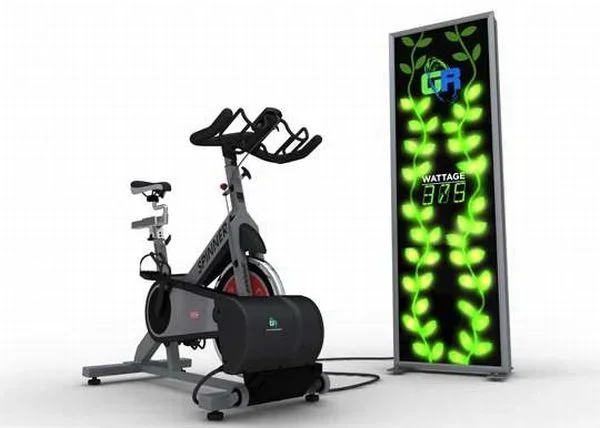
Generating electricity with an exercise bike is a simple way to combine fitness with renewable energy. You can convert pedal power into usable wattage for small devices and appliances. This guide walks you through the setup, benefits, and real-world output you can expect from a pedal generator.
Have you ever wondered if your daily workout could do more than just burn calories? What if every pedal stroke could light up your home or charge your phone? How to generate electricity with an exercise bike is a question more people are asking, and the answer is simpler than you might think.
The idea of turning pedal power into usable energy is not new. People have been experimenting with bicycle generators for decades. But with modern components and a clear setup guide, anyone can make it work today. Whether you want to reduce your energy bills, live off the grid, or just feel good about your workout, this guide has you covered.
In this article, we will break down exactly how an exercise bike can produce electricity. We will look at the parts you need, the real wattage you can expect, and the practical benefits of sustainable fitness. By the end, you will know if a pedal generator setup is right for you.
Key Takeaways
- Dual-purpose fitness: An exercise bike can power your home devices while you work out.
- Simple setup: You need a bike, a generator or alternator, and a charge controller to get started.
- Modest but real output: A typical session produces 50 to 150 watts, enough to charge phones and run small appliances.
- Eco-friendly workout: Pedal power reduces your reliance on grid electricity and lowers your carbon footprint.
- Great for off-grid living: A pedal generator is a reliable backup power source during outages or in remote areas.
- Start small and scale up: Beginner setups are affordable, and you can expand as your needs grow.
📑 Table of Contents
What Is a Pedal-Powered Generator?
A pedal-powered generator is a system that converts the mechanical energy from your pedaling into electrical energy. Think of it as a simple machine that turns human effort into renewable energy. The exercise bike acts as the engine, and a generator or alternator attached to it captures the motion.
The basic concept is straightforward. When you pedal, the wheel or flywheel spins. That spinning motion drives a generator, which produces direct current (DC) electricity. A charge controller then regulates that power so it can safely charge batteries or run devices.
You do not need to be an engineer to build one. Many DIY enthusiasts have created working pedal generators using affordable parts. The key components are simple, and the whole system can be set up in a weekend.
How Does an Exercise Bike Fit Into This?
An exercise bike is the perfect platform for a pedal generator. The bike provides a smooth, consistent pedaling motion, which is exactly what a generator needs. The flywheel on the bike stores kinetic energy and keeps the rotation steady, even when your pedaling speed changes.
When you think about what an exercise bike does to your body, it is clear that the sustained effort required for generating electricity is well within normal workout ranges. Most people can sustain 50 to 100 watts of power output for an hour-long session. This is enough to power several small devices at once.
You can use a standard upright bike or a recumbent model. Both work well. The main difference is comfort and the type of drivetrain you will use to connect the generator.
How Does an Exercise Bike Generate Electricity?
The process of turning your workout into usable power involves a few key steps. Let us walk through each one so you understand exactly what is happening.
Step 1: Pedaling Creates Mechanical Energy
Every time you push the pedals, your legs apply force to the crankset. This force spins the chainring, which turns the rear wheel or the bike’s flywheel. That rotational motion is mechanical energy, and it is the raw fuel for your generator.
The harder you pedal, the more mechanical energy you produce. This is why intense workouts generate more electricity than easy recovery rides. Your fitness level directly affects how much power you can create.
Step 2: A Generator Converts Motion Into Electricity
A generator or alternator is attached to the bike’s drivetrain. As the wheel or flywheel spins, it turns the generator’s rotor inside a magnetic field. This electromagnetic induction creates an electrical current.
There are two main types of generators used in DIY setups:
- DC motors: These are affordable and easy to find. A brushed DC motor works well for low-wattage applications.
- Car alternators: These produce more power and are great for higher-output setups. They are a popular choice for serious pedal generators.
Step 3: A Charge Controller Regulates the Power
The electricity coming from the generator is not yet ready for your devices. It fluctuates with your pedaling speed. A charge controller smooths out the output and prevents overcharging if you are storing energy in a battery.
This small device is essential for safety and efficiency. It ensures that your off-grid electricity system runs reliably and protects your connected devices from power spikes.
Step 4: Power Gets Stored or Used Directly
You have two options for using the electricity you generate. You can store it in a battery bank for later use, or you can power devices directly in real time. Battery storage is more flexible because it lets you use energy when you are not pedaling.
A simple deep-cycle battery or a portable power station works great for this purpose. Some people connect their setup directly to a USB port to charge phones, tablets, and lights.
How Much Electricity Can You Actually Produce?
This is the question most people ask first, and the answer depends on several factors. Your fitness level, the generator type, and your pedaling intensity all play a role.
Realistic Wattage Output
Here is a realistic breakdown of what you can expect from a typical session on an exercise bike:
- Light pedaling (50 watts): Enough to charge a phone or run an LED light.
- Moderate effort (100 watts): Can power a laptop, a small fan, or a radio.
- Hard effort (150-200 watts): Enough to run a blender, a small TV, or charge a tablet and phone simultaneously.
For context, a typical household refrigerator uses about 100 to 200 watts when running. So a fit person pedaling at moderate intensity could keep a fridge going, but only while they are actively pedaling.
It is important to be honest about the limits of pedal power. You are not going to power your entire house with an exercise bike. But for charging devices, running small appliances, or supplementing your energy use, it is a very practical and rewarding setup.
Factors That Affect Your Output
Several things influence how much electricity you generate:
- Your fitness level: Fitter riders produce more sustained power.
- Generator efficiency: Higher-quality generators convert more of your mechanical energy into electricity.
- Resistance settings: More resistance means more effort, which can mean more power output.
- Session length: Longer sessions produce more total energy, even if the wattage per hour stays the same.
For those interested in how effective an exercise bike is for weight loss, the good news is that the same workout that burns calories also produces electricity. You get double the value from every session.
Benefits of Generating Electricity With an Exercise Bike
Beyond the novelty of powering devices with your own legs, there are real, practical benefits to setting up a pedal generator. Let us look at why this idea is gaining popularity.
1. Eco-Friendly Workout
Every watt you generate is a watt you do not need to pull from the grid. Over time, this adds up to a smaller carbon footprint. Green exercise is more than a buzzword. It is a real way to make your fitness routine more sustainable.
When you combine the health benefits of cycling with the environmental benefit of clean energy production, you get a workout that gives back. This is one of the most compelling reasons people build their own pedal generators.
2. Energy Independence
Living off the grid or preparing for emergencies means having a backup power source. An exercise bike generator does not depend on fuel, sunlight, or wind. It depends on you. As long as you can pedal, you have power.
This makes a pedal generator a reliable off-grid electricity solution for cabins, campsites, or homes in areas prone to outages.
3. Motivating Workouts
Knowing that your effort is producing real, tangible results can make your workouts more engaging. Instead of just burning calories, you are also generating power. This sense of purpose can keep you motivated to stick with your fitness routine.
Some people even set goals based on wattage output. Watching the numbers climb as you pedal harder is incredibly satisfying. It turns a routine workout into a productive activity.
4. Low Cost and Simple Setup
You do not need expensive equipment to get started. A basic setup using a used exercise bike and a repurposed DC motor can be built for under $100. The simplicity of the system means maintenance is minimal, and the parts are widely available.
For those exploring how to use an exercise bike for weight loss while also generating power, the cost-to-benefit ratio is excellent. You are investing in fitness equipment that doubles as an energy tool.
Tips to Maximize Your Energy Output
Want to get the most electricity possible from your exercise bike? Here are some practical tips that make a real difference.
- Pedal at a steady cadence: Consistent speed produces more stable electricity than sporadic bursts. Aim for 60 to 80 revolutions per minute.
- Increase resistance gradually: Higher resistance demands more effort, which increases your power output. Do not jump to maximum resistance too quickly.
- Use a efficient generator: A quality alternator or brushless DC motor will convert more of your energy into usable electricity.
- Keep the drivetrain well-maintained: A clean chain and properly aligned components reduce energy loss.
- Store energy in a battery: This lets you use the power you generate even when you stop pedaling.
- Pedal with your whole body: Engage your core and upper body to sustain higher power output for longer periods.
These small adjustments can boost your energy production significantly. The difference between a casual pedal and a focused, high-effort session can be 50 to 100 watts more.
Is It Worth It? Final Thoughts
The answer depends on what you hope to achieve. If you want to completely power your home, a single exercise bike will not be enough. But if you want to charge your devices, reduce your energy use, or explore renewable energy in a hands-on way, it is absolutely worth it.
Setting up a pedal generator is a rewarding project that blends fitness, sustainability, and self-sufficiency. It gives you a deeper appreciation for the energy you use every day. Every time you hop on the bike, you are not just working out. You are producing clean, real power.
Start small, experiment with your setup, and enjoy the process. Whether you are a fitness enthusiast, a DIY hobbyist, or someone interested in sustainable fitness, generating electricity with an exercise bike is a project that pays off in more ways than one.
The beauty of this setup is its simplicity. You do not need advanced technical skills or a big budget. With a basic exercise bike, a generator, and a charge controller, you can start producing your own electricity today. It is one of the most practical and satisfying projects you can take on.
Frequently Asked Questions
Can an exercise bike really power a house?
A single exercise bike cannot power an entire house. The average person produces 50 to 150 watts per hour, which is enough for small devices and appliances. However, it can supplement your energy use and reduce your reliance on the grid.
What kind of generator do I need for an exercise bike?
A DC motor or a car alternator works well for most setups. DC motors are affordable and easy to find, while alternators offer higher output for more demanding applications. Choose based on your power needs and budget.
How long do I need to pedal to charge a phone?
Charging a phone typically requires about 5 to 10 watts. With moderate pedaling at 50 to 100 watts, you can charge a phone in 30 minutes to an hour, depending on the battery size and your pedaling intensity.
Is generating electricity with an exercise bike safe?
Yes, it is safe when you use proper components like a charge controller and correct wiring. Always follow basic electrical safety guidelines, and if you are new to DIY electronics, start with a simple setup and consult a guide or expert if needed.
How much does it cost to build a pedal generator?
A basic setup can cost as little as $50 to $100 using a used exercise bike and a repurposed motor. More advanced setups with quality alternators and battery storage may cost $200 to $500, depending on your goals and components.
Can I use any exercise bike for electricity generation?
Most exercise bikes can be adapted for electricity generation. Upright bikes and recumbent bikes both work well. The key is connecting the drivetrain to a generator. Belt-driven or chain-driven systems can be adapted with the right attachment.
=== CONCLUSION ===
How to generate electricity with an exercise bike is a practical, rewarding, and eco-friendly project that anyone can tackle. You now know the core components, the realistic power output, and the many benefits of turning your workout into renewable energy. From charging your phone to powering small appliances, a pedal generator adds real value to your fitness routine.
Start with a simple setup, experiment as you learn, and enjoy the satisfaction of producing your own clean energy. Every pedal stroke counts, and your body and the planet will thank you for it.