What Is the Best Elliptical for Home Use
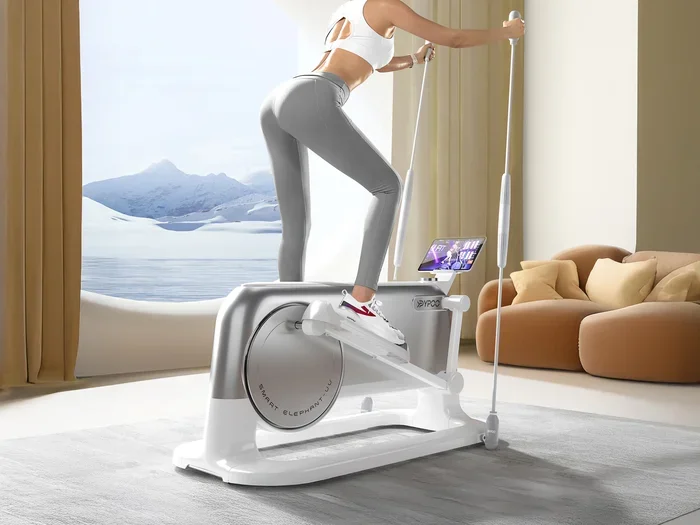
The best elliptical for home use combines a compact design, smooth stride, and adjustable resistance to match your fitness goals. Whether you want to burn calories, train low-impact cardio, or save space, choosing the right machine makes all the difference. This guide breaks down top picks, key features to consider, and expert tips so you can buy with confidence. You will learn what sets great ellipticals apart and how to avoid common buying mistakes.
Finding the best elliptical for home use can feel overwhelming. There are so many brands, models, and features on the market. It is easy to get lost in all the numbers and claims. But here is the good news — you do not need to be a fitness expert to make a smart choice.
An elliptical machine is one of the most popular pieces of home workout equipment available today. It gives you a full-body cardio session without pounding your joints. Whether you are a beginner or a seasoned athlete, an elliptical can fit your routine perfectly. The key is knowing what to look for and what truly matters.
In this guide, we walk you through everything you need to know. We cover the top features, common mistakes, and practical tips to help you pick the right machine. By the end, you will feel confident about your choice. Let us dive in.
Key Takeaways
- Compact and foldable designs are essential for small spaces and easy storage.
- Stride length matters — match it to your height for a comfortable, natural workout.
- Adjustable resistance levels let you progress and avoid plateaus over time.
- Flywheel weight affects smoothness and noise — heavier is generally better.
- Budget-friendly options exist that still deliver quality workouts at home.
- Reading user reviews helps you spot durability issues before you buy.
- Warranty and customer support are often overlooked but very important.
📑 Table of Contents
Why Choose an Elliptical for Home Workouts
Ellipticals have become a staple in home gyms around the world. And for good reason. They offer a low-impact cardio workout that is gentle on your knees, hips, and ankles. Unlike running on a treadmill, your feet stay on the pedals. This means less stress on your joints over time.
Joint-Friendly Exercise
If you have ever dealt with knee pain or joint issues, you know how limiting high-impact workouts can be. An elliptical eliminates that problem. The smooth, gliding motion lets you get your heart rate up without the jarring impact. This makes it a great option for people recovering from injuries or those who want to protect their joints long-term.
Full-Body Engagement
Many people do not realize that ellipticals work more than just your legs. Most models come with movable handlebars that engage your upper body muscles. You are simultaneously working your arms, shoulders, chest, and back. This full-body engagement means you burn more calories in less time compared to machines that only target one area.
Space-Saving Designs
One of the biggest concerns for home gym setups is space. The good news is that many modern ellipticals are designed with compact footprints. Some even fold up for easy storage. If you live in a small apartment or share your space with family, a compact elliptical can fit right into your lifestyle without taking over the room.
Key Features to Look For
Not all ellipticals are created equal. When shopping for the best elliptical for home use, certain features can make or break your experience. Here is what to focus on.
Stride Length
Stride length is one of the most important factors people overlook. Your stride should match your natural walking or running motion. If the stride is too short, you will feel cramped. Too long, and it will feel awkward and uncomfortable.
For most users under 5 feet 5 inches, a stride length of 16 to 18 inches works well. Taller users generally need 18 to 22 inches. You can check the average stride length for an elliptical to get a better sense of what suits your body. A proper stride length makes every workout feel natural and effective.
Resistance Levels
The more resistance levels a machine offers, the more versatile your workouts become. Entry-level ellipticals may have 16 levels. Mid-range and premium models often go up to 32 or more. Adjustable resistance lets you simulate uphill climbs, increase intensity, and keep challenging your body as you get fitter.
Flywheel Weight
The flywheel is the heavy wheel that drives the pedals. A heavier flywheel creates a smoother, more fluid motion. It also reduces noise during your workout. Look for machines with flywheels in the 20 to 30-pound range for the best balance of performance and value. Lighter flywheels tend to feel choppy and can be distracting.
Console and Workout Programs
A good console gives you real-time feedback on your workout. Look for displays that show your speed, distance, time, calories burned, and heart rate. Many ellipticals also come with built-in workout programs. These programs simulate different terrains and training styles, keeping your routines fresh and motivating.
Weight Capacity
Do not ignore the maximum user weight. If you are on the heavier side, choosing a machine with a higher weight capacity ensures safety and durability. Most quality ellipticals support users up to 250 to 350 pounds. Always check this spec before buying.
Top Elliptical Types for Home Use
The market offers several types of ellipticals. Understanding the differences helps you narrow down your options.
Compact Ellipticals
Compact ellipticals are designed for small spaces. They have shorter stride lengths and smaller footprints. These machines are perfect for apartments or bedrooms. While they may not offer every advanced feature, they deliver a solid cardio workout without taking up much room.
Standard Full-Size Ellipticals
Full-size ellipticals offer the most complete experience. They come with longer strides, higher weight capacities, and more resistance levels. These are ideal for dedicated home gym setups where space is not a major concern. They tend to be heavier and sturdier, which adds to the workout quality.
Foldable Ellipticals
Foldable ellipticals are a hybrid between compact and full-size machines. They offer a decent stride length and good features but can be folded upright for storage. If you want flexibility, a foldable model is worth considering. Just make sure the folded dimensions still fit your available space.
How to Choose the Best Elliptical for Your Needs
Choosing the right elliptical depends on your personal goals and circumstances. Here is a simple way to think about it.
Define Your Fitness Goals
Are you training for weight loss? Looking for a low-impact home cardio machine? Or do you want to cross-train for another sport? Your goals determine the features that matter most. For weight loss, look for machines with high resistance and heart rate monitoring. For general fitness, a mid-range model with solid resistance levels works great.
Set a Budget
Ellipticals range from around $300 to over $2,000. Setting a realistic budget helps you focus your search. You do not need to spend a fortune to get a quality machine. Many affordable models deliver excellent performance. If you want to explore options at different price points, check out our guide on the best elliptical machine for the money for helpful recommendations.
Measure Your Available Space
Before you buy, measure the area where the elliptical will go. Remember to account for clearance around the machine. You need room to step on and off safely. Also check the dimensions when the machine is folded if storage is a concern.
Read Reviews and Compare Models
Reading elliptical reviews from real users gives you honest insights about durability, noise, and overall satisfaction. Look for patterns in reviews — if multiple users mention the same issue, it is worth paying attention. Compare at least three to five models side by side before making a final decision.
Common Mistakes to Avoid
Buying an elliptical is a big decision. Here are some common mistakes that can cost you time, money, and frustration.
Ignoring Stride Length
This is the number one mistake buyers make. A machine with the wrong stride length will feel uncomfortable no matter how good the other features are. Always match the stride to your height and body type before purchasing.
Skipping the Test Ride
If you can, visit a store and test ride the elliptical before buying. Pay attention to how smooth the motion feels and whether the pedals are quiet. A test ride reveals things that spec sheets never will.
Overlooking Warranty Coverage
A good warranty protects your investment. Many ellipticals come with frame warranties of 5 to 10 years and shorter warranties on parts and electronics. Do not buy a machine with weak warranty coverage. You want peace of mind knowing your investment is protected.
Buying Based on Price Alone
The cheapest option is not always the best value. A very low-priced elliptical may have a noisy flywheel, limited resistance, or poor durability. Invest in quality within your budget. Sometimes spending a little more upfront saves you from costly repairs or replacements later.
Maintenance Tips for Longevity
Your elliptical is an investment. Proper maintenance keeps it running smoothly for years.
- Lubricate the flywheel regularly according to the manufacturer’s instructions.
- Wipe down the machine after each workout to prevent sweat damage.
- Check bolts and screws every few months to ensure everything stays tight.
- Place the machine on a level surface to reduce wear on the motor and pedals.
- Follow the user manual for specific maintenance schedules and guidelines.
Taking care of your elliptical extends its lifespan and keeps your workouts feeling great. A well-maintained machine also runs quieter and smoother, making your exercise sessions more enjoyable.
Final Thoughts
Finding the best elliptical for home use comes down to understanding your needs and matching them with the right features. Focus on stride length, resistance levels, flywheel weight, and overall build quality. Set a realistic budget, measure your space, and read reviews before you commit.
An elliptical is a fantastic addition to any home gym. It offers effective, joint-friendly cardio that fits your schedule and lifestyle. Whether you are just starting your fitness journey or looking to upgrade your current machine, the right elliptical can make a real difference.
Take your time, do your research, and trust your instincts. The perfect machine is out there waiting for you. Start your search today and take the first step toward a healthier, fitter you.
For more guidance on choosing home fitness equipment, explore our resources on what is the best elliptical machine for home use and elliptical machines for weight loss to find the perfect match for your goals.
Frequently Asked Questions
What is the best elliptical for home use for beginners?
A beginner-friendly elliptical should have adjustable resistance, a comfortable stride length, and an easy-to-read console. Look for machines with at least 16 resistance levels and a flywheel weight of 20 pounds or more. These features make it easy to start slow and progress as your fitness improves.
How much space do I need for a home elliptical?
Most ellipticals require about 2 feet by 6 feet of floor space. Foldable models can save space when not in use. Always measure your available area and check the machine’s dimensions, including clearance for safe entry and exit.
Can using an elliptical help with weight loss?
Yes, an elliptical is excellent for burning calories and supporting weight loss. A 30-minute session can burn between 250 and 400 calories depending on your weight and intensity. For more detailed guidance, check out our article on the best elliptical machine for weight loss.
How often should I use my elliptical each week?
For general fitness, using your elliptical 3 to 5 times per week for 20 to 45 minutes is ideal. Beginners can start with shorter sessions and gradually increase duration and intensity. Consistency matters more than intensity when building a lasting habit.
Are ellipticals better than treadmills for home use?
It depends on your goals and joint health. Ellipticals offer low-impact exercise that is gentler on your joints. Treadmills are better if you specifically want to train for running or walking outdoors. Both are excellent choices for home cardio workouts.
Do I need a special floor for my elliptical?
Most ellipticals work fine on a standard hardwood or carpeted floor. If you have a particularly uneven surface, using a mat underneath can help stabilize the machine. Always place your elliptical on a level surface to reduce noise and wear.
=== CONCLUSION ===
Choosing the best elliptical for home use does not have to be complicated. Focus on the features that matter most to you — stride length, resistance, flywheel weight, and compact design. Avoid common pitfalls like ignoring your space requirements or skipping the warranty check. With the right machine, you can enjoy effective, joint-friendly workouts from the comfort of your home every single day.