How to Lose Weight Riding an Exercise Bike
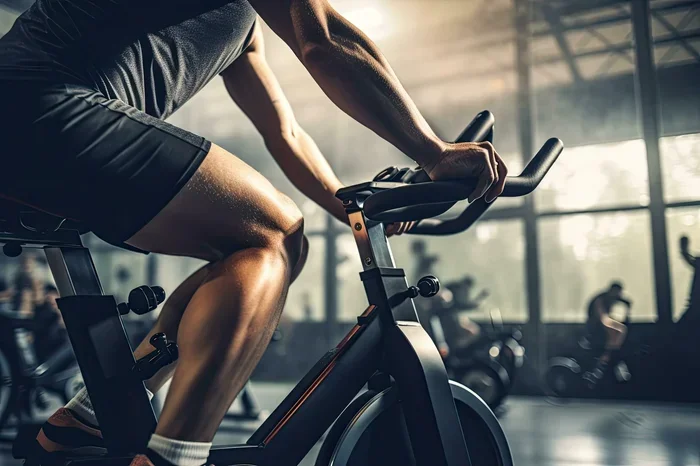
Riding an exercise bike is one of the simplest and most effective ways to burn calories, shed fat, and reach your fitness goals. This guide covers everything you need to know about how to lose weight riding an exercise bike, from setting up your bike and planning workouts to avoiding common mistakes. Whether you are a complete beginner or getting back into fitness, these practical tips will help you see real results.
Key Takeaways
- Low Impact, High Results: An exercise bike delivers effective cardio workouts without stressing your joints, making it ideal for all fitness levels.
- Consistency Beats Intensity: Riding regularly for 30 to 60 minutes most days of the week creates a sustainable calorie deficit for steady weight loss.
- Mix Up Your Routine: Varying intensity levels, resistance settings, and workout styles keeps your body challenged and prevents plateaus.
- Pair It With Nutrition: No amount of cycling replaces a balanced diet. Combine your rides with a healthy eating plan for the best outcomes.
- Track Your Progress: Monitoring calories burned, ride duration, and heart rate helps you stay accountable and adjust your plan as needed.
- Start Small and Build: You do not need to jump into hour-long sessions. Gradually increasing your time and intensity reduces injury risk and builds endurance.
📑 Table of Contents
How To Lose Weight Riding an Exercise Bike
Losing weight does not have to mean grueling hours at the gym or boring routines you cannot stick with. An exercise bike offers a simple, enjoyable, and highly effective path to shedding extra pounds. How to lose weight riding an exercise bike is a question thousands of people search for every month, and the answer is more straightforward than you might think.
Stationary bikes let you burn calories from the comfort of your home. You control the resistance, the pace, and the duration. This makes indoor cycling one of the most accessible forms of cardio exercise available. Whether you have ten minutes or an hour, a bike workout fits into almost any schedule.
The beauty of an exercise bike is that it works for nearly everyone. Beginners, older adults, and people recovering from injuries can all use one safely. At the same time, advanced athletes use high-intensity interval training on bikes to push their limits. How does an exercise bike help you lose weight? It creates a calorie deficit, boosts your metabolism, and strengthens your heart and lungs. Let us dive into exactly how to make it work for you.
Why Choose an Exercise Bike for Weight Loss?
There are many ways to burn calories. Running, swimming, rowing, and elliptical machines all offer great workouts. So why pick a stationary bike? The answer comes down to accessibility, joint health, and sustainability.
Running puts significant stress on your knees, ankles, and hips. An exercise bike eliminates that impact almost entirely. You get a powerful low impact exercise that still raises your heart rate and burns fat. This makes it perfect for people who are overweight, older, or dealing with joint pain.
Another big advantage is convenience. You do not need to drive to a gym, find parking, or wait for equipment. Your bike is right there at home. When your workout is this easy to start, you are far more likely to stay consistent. And consistency is the real secret behind any successful weight loss journey.
How Many Calories Can You Burn?
The number of calories you burn depends on several factors. Your body weight, workout intensity, resistance level, and ride duration all play a role. On average, a 155-pound person burns about 260 calories in 30 minutes of moderate cycling on a stationary bike.
If you increase the intensity, that number jumps significantly. Vigorous riding can burn 400 to 600 calories in the same 30-minute window. For a deeper look at exactly what you can expect, check out this guide on how many calories does riding an exercise bike burn.
Here is a quick breakdown of estimated calories burned during a 30-minute session for a 155-pound person:
- Light cycling (50% effort): 200 to 250 calories
- Moderate cycling (65% effort): 260 to 320 calories
- Vigorous cycling (80% effort): 390 to 450 calories
- High-intensity intervals (alternating): 350 to 500 calories
Over a week, riding five days for 30 minutes at moderate intensity can burn 1,300 to 1,600 calories. That is a significant chunk of what you need to create a calorie deficit. Pair this with a balanced diet, and you will notice changes within a few weeks.
Setting Up Your Exercise Bike for Success
Before you start pedaling, proper setup makes a huge difference. A correctly adjusted bike improves comfort, efficiency, and safety. Taking five minutes to get the right settings pays off over every session.
Seat Height and Position
Your seat should be level with your hip when you stand next to the bike. When you sit on it and place your heel on the pedal at the lowest point, your leg should be fully extended. When you ride with the ball of your foot on the pedal, you will have a slight bend in your knee.
Handlebar position matters too. Beginners often set the handlebars too low, which strains the back. Start with handlebars at the same height or slightly higher than the seat. As your flexibility improves, you can lower them gradually.
Resistance and Pedal Settings
Resistance is what makes your ride feel easy or hard. Many people leave the resistance too low and spin their legs without challenging their muscles. Others set it so high that they burn out in minutes. Finding the right balance is key.
For weight loss, aim for a resistance level that feels moderately challenging. You should be breathing harder than normal but still able to hold a conversation. This is called the fat burning heart rate zone. It typically falls between 60 and 70 percent of your maximum heart rate.
Building an Effective Workout Routine
Jumping on the bike and pedaling randomly will not give you the best results. A structured routine helps you burn more calories and build fitness faster. The good news is that you do not need to spend hours on the bike to see real progress.
Beginner Workout Plan
If you are new to indoor cycling, start with shorter sessions and build up gradually. Here is a simple weekly plan to get you started:
- Monday: 20 minutes of light cycling at a comfortable pace
- Tuesday: Rest or light stretching
- Wednesday: 25 minutes of moderate cycling with slight resistance increases
- Thursday: Rest day
- Friday: 30 minutes of steady-state cycling
- Saturday: 20 minutes of interval training (alternating 1 minute fast, 2 minutes easy)
- Sunday: Rest or gentle ride
This plan gives your body time to recover while still building a calorie-burning habit. As your endurance improves, add five minutes to each session every week. Within a month, you will be riding 30 to 40 minutes comfortably.
Intermediate and Advanced Routines
Once you have built a base fitness level, you can push harder. High-intensity interval training, or HIIT, is one of the most effective ways to burn fat on a bike. It involves short bursts of all-out effort followed by recovery periods.
Here is a sample HIIT session:
- Warm up: 5 minutes easy pedaling
- Sprint: 30 seconds at maximum effort
- Recover: 90 seconds of easy pedaling
- Repeat the sprint and recovery 8 to 10 times
- Cool down: 5 minutes of gentle cycling
This type of workout torches calories in a short amount of time. It also keeps your metabolism elevated for hours after you stop pedaling. This is known as the afterburn effect, and it is a powerful tool for weight loss.
How Long Should You Ride?
The duration of your rides depends on your fitness level and goals. For beginners, 20 to 30 minutes per session is a great starting point. As you build endurance, aim for 45 to 60 minutes on most days of the week.
Consistency matters far more than intensity. Riding 30 minutes every day will produce better results than one two-hour session per week. The American College of Sports Medicine recommends at least 150 minutes of moderate aerobic activity per week for weight loss and overall health.
Curious about the exact time you need? This detailed guide on how long on an exercise bike to lose weight breaks down ride durations for different fitness levels and goals.
Daily vs. Every Other Day
Some people prefer daily short rides. Others do longer sessions every other day. Both approaches work well. The key is finding a rhythm you can maintain. If daily riding feels overwhelming, start with four to five sessions per week and adjust from there.
Listen to your body. Rest days are not lazy days. They are recovery days that let your muscles repair and grow stronger. Overtraining leads to burnout and injury, which derails your progress faster than anything else.
Pairing Your Bike Workouts With Nutrition
You cannot outride a bad diet. Even the best exercise bike routine will fall short if your nutrition does not support your goals. Creating a calorie deficit is essential for weight loss, and food choices play a bigger role than many people realize.
Creating a Calorie Deficit
A calorie deficit means you burn more calories than you consume. A deficit of 500 calories per day typically leads to about one pound of weight loss per week. You can achieve this by eating slightly less, moving more, or combining both approaches.
Do not slash calories too aggressively. Eating too little slows your metabolism and leaves you feeling tired and cranky. Focus on steady, sustainable changes. Swap sugary drinks for water. Add more vegetables to your plate. Choose lean proteins and whole grains over processed foods.
Best Foods to Fuel Your Rides
What you eat before and after a bike ride affects your performance and recovery. A small carb-rich snack 30 to 60 minutes before riding gives you energy. After your workout, protein helps repair muscles and keeps you full longer.
- Pre-ride snacks: Banana, oatmeal, whole grain toast with peanut butter
- Post-ride recovery: Greek yogurt with berries, a protein smoothie, or eggs with toast
- Hydration: Drink water before, during, and after every ride
Staying hydrated is especially important during indoor cycling. You sweat more than you think in a heated room, and even mild dehydration reduces your performance and energy levels.
Common Mistakes to Avoid
Even with the best intentions, many people make mistakes that slow their progress. Avoiding these pitfalls keeps you on track and maximizes your results.
Skipping Warm Ups and Cool Downs
Jumping straight into intense pedaling shocks your body and increases injury risk. Always start with five minutes of easy cycling to warm up your muscles and joints. End each session with a cool-down to bring your heart rate back to normal gradually.
Riding at the Same Intensity Every Day
Your body adapts quickly to repetitive workouts. If you always ride at the same pace and resistance, your progress stalls. Mix up your routine with easy days, hard days, and interval sessions. This keeps your body guessing and your metabolism engaged.
Neglecting Form and Posture
Slouching on the handlebars or pedaling with your knees caving in reduces effectiveness and can cause pain over time. Keep your back straight, shoulders relaxed, and core engaged. Your knees should track in line with your toes throughout the pedal stroke.
Relying Only on the Bike for Results
An exercise bike is a fantastic tool, but it works best as part of a broader fitness plan. Adding strength training builds lean muscle, which burns more calories at rest. Combining bike workouts with bodyweight exercises, resistance bands, or light weights accelerates your results significantly.
Expert Tips for Faster Weight Loss
Want to squeeze every bit of benefit from your rides? These expert-backed strategies help you lose weight faster without burning out.
- Track your workouts: Use a fitness app or the bike’s display to monitor distance, calories, and heart rate. Seeing your progress keeps you motivated.
- Use music or podcasts: A great playlist makes time fly. Choose songs with a tempo that matches your target pedaling cadence.
- Try virtual rides: Many apps offer scenic virtual routes that make indoor cycling feel like an outdoor adventure.
- Set specific goals: Instead of “lose weight,” aim for “ride 4 times this week” or “burn 200 calories per session.” Specific goals drive specific actions.
- Find a riding buddy: Even virtually, having someone to share progress with adds accountability and fun.
- Gradually increase challenge: Add one minute or one resistance level each week. Small, consistent increases lead to big results over time.
For a deeper look at structuring your routine, explore this guide on how to use an exercise bike to lose weight. It covers program design, intensity progression, and how to match your workouts to your specific goals.
Final Thoughts
How to lose weight riding an exercise bike comes down to three simple pillars: consistency, proper nutrition, and smart workout planning. You do not need expensive equipment, complicated routines, or hours of free time. A well-set-up bike, a realistic schedule, and a willingness to show up regularly are all you need.
Start where you are. Ride for 15 minutes if you need to. Build from there. Every session counts, and every calorie burned moves you closer to your goals. The most important step is the first one. Hop on the bike, set a comfortable pace, and enjoy the ride. Your future self will thank you.
Remember, weight loss is a marathon, not a sprint. Some weeks you will see dramatic progress. Other weeks the scale may not move at all. Trust the process. Keep showing up. The results will come.
Frequently Asked Questions
How long should I ride an exercise bike to lose weight?
For effective weight loss, aim for 30 to 60 minutes of cycling per session, at least five days a week. Beginners can start with 20 minutes and gradually increase the duration. Consistency matters more than any single workout length.
Can I lose belly fat by riding an exercise bike?
Spot reduction is a myth, but regular cycling burns overall body fat, including belly fat. Combining bike workouts with a healthy diet and strength training accelerates fat loss across your entire body, including your midsection.
How many calories does 30 minutes on an exercise bike burn?
A 155-pound person burns approximately 260 to 450 calories in 30 minutes, depending on intensity and resistance level. Heavier individuals burn more calories, while lighter individuals burn fewer during the same session.
Is riding an exercise bike better than running for weight loss?
Both are effective, but an exercise bike is gentler on your joints. It allows longer workout sessions with less recovery time needed. For people with knee or back issues, cycling is often the better choice for sustained weight loss.
How often should I ride my exercise bike to see results?
Riding four to six times per week produces noticeable results within four to six weeks. Pair your rides with a balanced diet and aim for a moderate calorie deficit. Results vary based on your starting weight, age, and overall activity level.
What resistance level is best for weight loss on an exercise bike?
A moderate resistance level that challenges you but allows sustained pedaling is ideal. You should feel your legs working and your breathing increase, but you should still be able to speak in short sentences. Adjust resistance as your fitness improves.