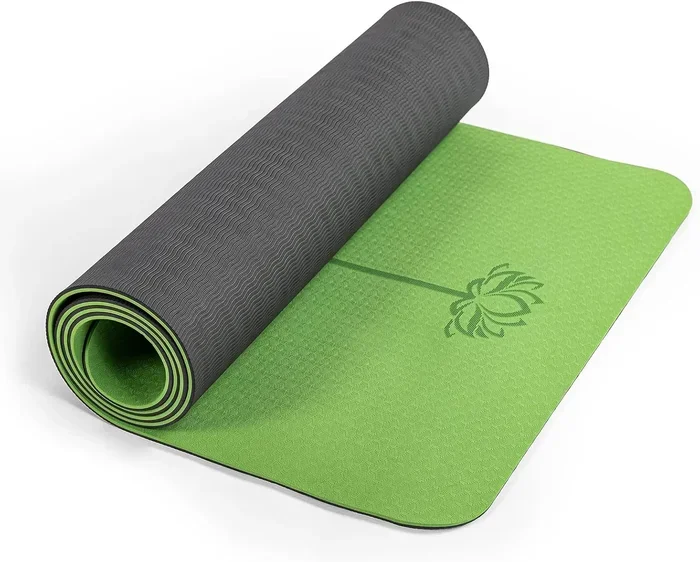
What Is the Best Eco Friendly Yoga Mat

Choosing the best eco friendly yoga mat means finding a non-toxic, biodegradable option that delivers great grip, cushioning, and durability. Whether you prefer natural rubber, cork, or recycled materials, this guide covers the top picks, materials, and buying tips to help you make a mindful choice for your practice and the environment.
More people are waking up to the fact that their fitness gear impacts the planet. Your yoga practice is about harmony, balance, and mindfulness. So why would your mat be any different? A eco friendly yoga mat lets you align your values with your workout routine. You get a safe, non-toxic surface that supports your joints and grips your feet without harming the environment.
The good news is that sustainable yoga mats have come a long way. They no longer mean sacrificing performance or comfort. Today’s best eco friendly yoga mat options rival traditional mats in every way. They offer superior cushioning, excellent traction, and lasting durability. Whether you are a beginner or a seasoned practitioner, there is a green mat out there that fits your needs perfectly.
This guide breaks down everything you need to know. We cover the top materials, the best brands, and practical tips for choosing the right one. By the end, you will feel confident picking a mat that is kind to your body and the earth.
Key Takeaways
- Eco friendly yoga mats are made from sustainable, non-toxic materials like natural rubber, cork, and recycled TPE.
- Natural rubber mats offer excellent grip and cushioning but may have a natural scent initially.
- Cork mats are antimicrobial, lightweight, and fully biodegradable.
- Recycled and TPE mats provide a budget-friendly eco alternative without sacrificing performance.
- Thickness and size matter just as much for eco mats as for conventional ones.
- Certifications like OEKO-TEX and GOTS help verify a mat’s genuine eco claims.
- Proper care extends the life of your sustainable mat significantly.
📑 Table of Contents
Why Choose an Eco Friendly Yoga Mat?
Traditional yoga mats are often made from PVC, a plastic that releases harmful chemicals during production and disposal. When you roll out a conventional mat, you may be exposing yourself to phthalates, lead, and other toxic substances. These chemicals can off-gas into the air, especially when the mat heats up during a vigorous session.
An eco friendly yoga mat solves this problem. These mats use natural, renewable, or recycled materials that are free from harmful chemicals. They are safer for your skin, your lungs, and the environment. Here are some key reasons to make the switch:
- Non-toxic materials mean no harmful chemical exposure during your practice.
- Biodegradable options reduce landfill waste when your mat reaches the end of its life.
- Sustainable sourcing supports ethical manufacturing and responsible forestry.
- Durability means fewer replacements, which reduces overall waste.
- Breathable surfaces like cork naturally resist bacteria and odor.
Making the switch is one of the simplest ways to make your fitness routine more sustainable. It is a small change with a big impact.
Top Eco Friendly Yoga Mat Materials
Not all green mats are created equal. The material is the biggest factor in determining how eco friendly a mat really is. Let us look at the most popular sustainable options and what makes each one special.
Natural Rubber
Natural rubber mats are the gold standard for eco conscious yogis. They are harvested from rubber trees, making them a renewable resource. These mats provide fantastic grip, even when wet, and offer generous cushioning for joint protection. A good eco friendly yoga mat made from natural rubber feels dense, sturdy, and grounded.
One thing to note is that natural rubber can have a distinct smell when you first unbox it. This is normal and usually fades within a few days. If you are sensitive to scents, airing the mat out in a well-ventilated space helps a lot.
Cork
Cork yoga mats are harvested from the bark of cork oak trees without harming the tree. This makes cork one of the most sustainable materials on the planet. Cork mats are naturally antimicrobial, which means they resist bacteria, mold, and mildew without any chemical treatment.
Cork also gets grippier when wet, making it ideal for hot yoga or intense flows. It is lightweight and easy to carry to class. If you want a zero waste yoga mat that feels natural under your hands, cork is a fantastic choice.
Recycled TPE
Thermoplastic Elastomer (TPE) is a newer material that many brands use for eco friendly mats. TPE is recyclable and free from PVC, latex, and phthalates. Some manufacturers create TPE mats using recycled content, which gives them an extra green edge.
TPE mats tend to be lighter than rubber and cork. They also come in a wider range of colors and designs. However, they may not offer the same level of cushioning as a thick natural rubber mat. They are a solid mid-range option for those who want a non-toxic yoga mat without a higher price tag.
Jute and Cotton Blends
Some eco friendly yoga mats combine natural fibers like jute or organic cotton with a rubber base. These mats offer a unique texture and a very natural feel. They are breathable and biodegradable, though they may wear faster than pure rubber or cork options.
Best Eco Friendly Yoga Mats Reviewed
Now that you know the materials, let us look at some of the top eco friendly yoga mat options available right now. These picks are based on performance, sustainability credentials, and real user feedback.
When searching for the best yoga mat on the market, sustainability should be a top filter. Here are some standout options:
- Manduka eKO Lite — Made from natural rubber, this mat offers great grip and a lightweight design. It is free from toxic chemicals and built to last for years.
- Yoloha Native Cork — A beautiful cork mat with a bamboo core. It is naturally antimicrobial, lightweight, and comes in stunning designs. It is one of the most sustainable yoga mats available.
- Jade Yoga Harmony Mat — Handmade from natural rubber in the USA. It provides excellent cushioning and a non-slip surface. Jade Yoga also plants a tree for every mat sold.
- Prana E.C.O. Mat — Made from recycled materials and free from PVC and latex. It is a great entry-level eco mat that does not break the bank.
Each of these mats proves that you do not have to choose between performance and sustainability. They all deliver a comfortable, safe practice surface while keeping your environmental footprint small.
How to Choose the Right Eco Friendly Yoga Mat
Picking the perfect eco friendly yoga mat comes down to a few key factors. Here is what to consider before you buy.
Thickness and Cushioning
Mat thickness affects both comfort and stability. A standard thickness of about 5mm (roughly 3/16 inch) works well for most people. It provides enough cushioning for joint protection while keeping you grounded during balancing poses.
If you have sensitive knees or hips, consider a thicker mat around 6mm or more. However, thicker mats can feel less stable during standing poses. If you are unsure, check out our guide on what is the best thickness for a yoga mat for more detailed recommendations.
Material and Eco Credentials
Always check what the mat is made from and whether the brand holds any eco certifications. Look for labels like OEKO-TEX, which verifies that the mat is free from harmful substances. Some brands also carry FSC certification for responsibly sourced cork or rubber.
A truly eco friendly yoga mat should be transparent about its supply chain and manufacturing process. If a brand cannot answer basic questions about their materials, that is a red flag.
Size and Fit
Standard yoga mats are about 68 inches long and 24 inches wide. However, taller yogis may need a mat that is 72 inches or longer. Getting the right mat size ensures your whole body fits comfortably on the surface.
If you are curious about what dimensions work best for your height and practice style, our article on what is the standard size for a yoga mat covers this in detail.
Grip and Texture
A good eco friendly yoga mat should feel grippy, even when your palms are sweaty. Cork and natural rubber both excel in this area. Texture also matters — some mats have a smooth surface while others have a more pronounced pattern for traction.
Think about the type of yoga you practice most. Hot yoga and vinyasa flow demand excellent grip. Restorative and gentle yoga may not need as much traction but still benefit from a comfortable surface.
Caring for Your Eco Friendly Yoga Mat
Taking care of your eco friendly yoga mat helps it last longer and stay hygienic. Since these mats often use natural materials, they may require slightly different care than synthetic options.
Here are some simple tips to keep your mat in top shape:
- Wipe it down after each use with a gentle, natural mat cleaner or a mix of water and white vinegar.
- Air dry your mat completely before rolling it up. This prevents mold and mildew growth, especially on cork and rubber mats.
- Avoid direct sunlight for extended periods, as UV rays can degrade natural materials over time.
- Store your mat flat or loosely rolled to prevent creasing and maintain its shape.
- Deep clean monthly by soaking the mat in a bathtub with mild, eco-friendly soap.
Proper care not only extends the life of your mat but also keeps it performing at its best session after session. A well-maintained eco friendly yoga mat can last for years, making it an even better investment for both your practice and the planet.
Final Thoughts
Finding the best eco friendly yoga mat is easier than you might think. With so many sustainable materials and brands available today, there is a green mat for every type of yogi. Whether you choose natural rubber, cork, recycled TPE, or a plant-based blend, you are making a positive choice for your health and the environment.
Start by considering your practice style, body needs, and budget. Look for transparent brands with genuine eco certifications. And remember, the best mat is the one that feels right under your feet and supports your journey toward mindful movement.
Your yoga practice is about connecting with yourself and the world around you. A eco friendly yoga mat is a natural extension of that philosophy. Make the switch, and roll out your practice knowing that every downward dog is a step toward a healthier planet.
Frequently Asked Questions
What makes a yoga mat eco friendly?
An eco friendly yoga mat is made from sustainable, non-toxic materials like natural rubber, cork, or recycled TPE. It is free from PVC, phthalates, and other harmful chemicals. The brand should also use responsible manufacturing and packaging practices.
Are natural rubber yoga mats safe for people with latex allergies?
Natural rubber mats are derived from rubber tree sap and may not be suitable for people with latex allergies. If you have a latex sensitivity, consider a cork mat or a TPE mat instead. Always check with the manufacturer if you are unsure about material safety.
How long does an eco friendly yoga mat last?
With proper care, a high-quality eco friendly yoga mat can last anywhere from 2 to 5 years or more. Natural rubber and cork mats tend to be especially durable. Regular cleaning and proper storage will significantly extend the lifespan of your mat.
Do eco friendly yoga mats provide enough cushioning?
Yes, most eco friendly yoga mats offer excellent cushioning, especially those made from natural rubber. Thickness options range from 3mm to 6mm or more. You can also check out our guide on what is the ideal thickness for a yoga mat to find the right thickness for your needs.
Can I use an eco friendly yoga mat for hot yoga?
Absolutely. Cork and natural rubber mats are both excellent choices for hot yoga because they become grippier when wet. Just make sure the mat has a non-slip surface and adequate thickness for comfort during extended hot sessions.
Are eco friendly yoga mats more expensive than regular mats?
They can be slightly more expensive, but the price difference has narrowed significantly in recent years. Brands like Prana and Jade Yoga offer options at various price points. When you consider the durability and health benefits, a sustainable mat is often a better long-term investment.