Can You Eat Before a Treadmill Stress Test
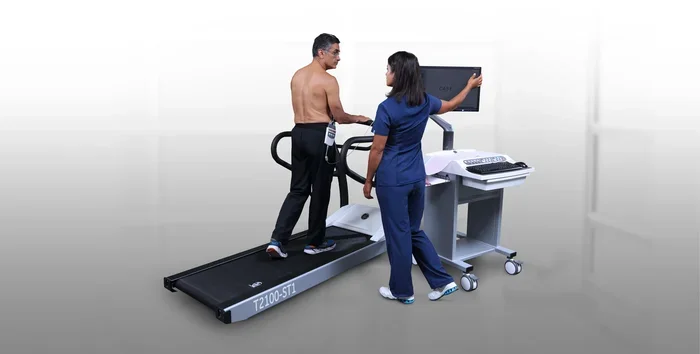
Can you eat before a treadmill stress test? The short answer is yes, but with important caveats. Most doctors recommend a light meal or snack, while some stress test protocols require fasting for a few hours. Eating the wrong foods or eating too close to the test can affect your results. This guide covers exactly what to eat, what to avoid, and how to prepare for your treadmill stress test with confidence.
Planning a treadmill stress test? You might be wondering about one simple but important question: Can you eat before a treadmill stress test? It is a common concern for anyone preparing for this heart health screening. What you do (and don’t) eat before the test can actually affect your results.
The good news is that the answer is not a simple yes or no. It depends on the type of test, your doctor’s instructions, and your overall health. This article breaks down everything you need to know about eating before your exercise stress test. You will learn what foods are safe, what to avoid, and how to prepare like a pro.
Let us walk through this together so you feel confident and ready on test day. No need to stress. With the right preparation, your treadmill stress test is smooth sailing.
Key Takeaways
- Fasting rules vary: Some treadmill stress tests require fasting, while others allow light meals.
- Avoid heavy or greasy foods: These can interfere with heart rate and blood pressure readings during your test.
- Water is usually fine: Staying hydrated is encouraged, but check with your doctor about specific drinking guidelines.
- Timing matters: Eat at least 2 to 3 hours before your cardiac stress test if you are not fasting.
- Follow your doctor’s orders: Always confirm pre-test instructions with your healthcare provider to get accurate results.
- Small snacks are okay: A light piece of toast or banana is generally safe if fasting is not required.
- Know what to expect: Understanding the treadmill test procedure helps reduce anxiety and improves your experience.
📑 Table of Contents
- Why Eating Before a Treadmill Stress Test Matters
- General Eating Guidelines Before a Treadmill Stress Test
- Foods to Avoid Before Your Treadmill Stress Test
- What to Drink Before a Treadmill Stress Test
- What to Expect on Test Day
- Common Mistakes People Make Before a Treadmill Stress Test
- Quick Tips for a Smooth Stress Test Day
- When to Talk to Your Doctor About Eating Before the Test
- Final Thoughts
Why Eating Before a Treadmill Stress Test Matters
Your body responds to food in many ways. When you eat, your heart rate changes. Your blood sugar levels shift. Your digestive system kicks into gear. All of these things can influence the readings during your cardiac stress test.
Doctors use the treadmill stress test to evaluate how your heart handles physical effort. They measure your heart rate, blood pressure, and electrical activity. If food has altered these baseline numbers, the results may not be accurate.
Here is a quick look at how food can impact your test:
- Heart rate changes: Digestion speeds up your heart rate temporarily.
- Blood sugar spikes: Sugary foods can cause fluctuations that mimic or mask heart issues.
- Blood flow diversion: Your body sends blood to the stomach for digestion, which can affect exercise readings.
- Nausea or discomfort: Eating too much before exercise can make you feel sick on the treadmill.
This is exactly why pre-test instructions matter so much. The goal is to get a clear picture of your heart’s true performance during exercise.
General Eating Guidelines Before a Treadmill Stress Test
So, what should you do about meals and snacks? The answer depends on whether your doctor has given you specific fasting instructions. Here are the general guidelines most patients follow.
If Fasting Is Required
Some treadmill stress test protocols ask you to fast for a certain period. This is common for tests that involve imaging, such as a nuclear stress test or a stress echocardiogram. In these cases, you may need to avoid all food and drink (except water) for several hours before the test.
Typical fasting windows include:
- 4 to 6 hours before: No solid food. This is the most common fasting rule.
- 2 to 3 hours before: No food at all, but small sips of water are usually allowed.
- Overnight fasting: Some doctors ask you to skip breakfast and come in first thing in the morning.
Always confirm the exact fasting rules with your healthcare provider. Never assume. If you are unsure, call the clinic ahead of time and ask. This small step can save you from rescheduling your cardiac stress test.
If Fasting Is Not Required
For a standard exercise treadmill stress test, fasting may not be necessary. In this case, you can eat a light meal or snack beforehand. The key is to keep it simple and gentle on your stomach.
Here is what a pre-test meal might look like:
- A piece of whole-grain toast with a thin layer of peanut butter.
- A small banana or a handful of berries.
- A light bowl of oatmeal with no added sugar.
- A small serving of plain rice with a boiled egg.
Aim to eat at least 2 to 3 hours before your appointment. This gives your body time to digest and helps keep your readings stable during the stress test procedure.
Foods to Avoid Before Your Treadmill Stress Test
Just as important as knowing what to eat is knowing what to avoid. Certain foods and drinks can throw off your test results or make you feel uncomfortable during exercise.
Caffeine and Stimulants
Avoid coffee, tea, energy drinks, and soda before your test. Caffeine can raise your heart rate and blood pressure, which may mimic or hide cardiac issues. Many clinics specifically ask patients to skip caffeine for 12 to 24 hours before the test.
If you are a regular coffee drinker, this can be tough. But think of it this way: skipping your morning brew for one day is a small price to pay for accurate heart health screening results.
Heavy or Greasy Foods
Fried foods, fast food, rich sauces, and heavy meals take longer to digest. They can cause discomfort, nausea, or sluggishness during exercise. Avoid these the night before and the morning of your test.
High-Sugar Foods and Drinks
Candy, pastries, sugary cereals, and sweet drinks can cause blood sugar spikes and crashes. This can affect your energy levels and heart rate during the treadmill workout. Stick to simple, whole foods instead.
Alcohol
Alcohol can dehydrate you and affect your heart rhythm. Avoid drinking alcohol for at least 24 hours before your cardiovascular fitness assessment.
What to Drink Before a Treadmill Stress Test
Hydration is important, but not all drinks are created equal when it comes to test day. Here is a simple guide.
Water is your best friend. Drink plenty of water in the hours leading up to your test. Being well-hydrated makes it easier to exercise and helps your body perform normally. Most doctors encourage drinking water right up until the test.
However, if your test involves imaging or nuclear components, your doctor may limit how much you can drink. Always follow the specific instructions given to you.
As a rule of thumb, if you are wondering about drinking water before a treadmill stress test, the answer is almost always yes. But confirm with your healthcare provider to be safe.
What to Expect on Test Day
Knowing what happens during the test can ease your mind. The treadmill stress test is a straightforward procedure, and understanding each step helps you feel more prepared.
Before the Test
When you arrive, a technician will place small electrodes on your chest. These connect to an electrocardiogram (ECG) machine that monitors your heart’s electrical activity. You will also have a blood pressure cuff on your arm. The technician will explain everything and answer any questions.
If you have eaten lightly and followed the pre-test guidelines, you should feel comfortable and ready to go.
During the Test
You will start walking on the treadmill at a slow pace. The speed and incline will increase gradually over several minutes. The goal is to raise your heart rate to a target level. You will be asked to report any symptoms like chest pain, dizziness, or shortness of breath.
The entire stress test procedure usually takes about 15 to 30 minutes. The actual exercise portion is typically around 10 to 15 minutes.
After the Test
Once the test is complete, you will walk slowly for a few minutes as the treadmill slows down. Your heart rate and blood pressure will be monitored during recovery. Most people feel fine afterward and can return to their normal activities right away.
Common Mistakes People Make Before a Treadmill Stress Test
Avoiding simple mistakes can make a big difference in the accuracy of your results. Here are some common pitfalls to watch out for.
Eating a Heavy Meal Right Before the Test
This is one of the most common mistakes. A heavy breakfast or lunch before the test can make exercise uncomfortable and skew your heart rate data. Always give your body time to digest.
Drinking Coffee or Energy Drinks
Caffeine is a stimulant that directly affects your heart. Even a small cup of coffee can change your resting heart rate and blood pressure. Skip it on test day.
Skipping Water
Some people avoid drinking water before a test out of fear. This is a mistake. Dehydration can make exercise harder and affect your results. Stay hydrated unless your doctor tells you otherwise.
Not Following Doctor’s Orders
This might sound obvious, but it happens often. If your doctor says to fast, fast. If they say to take your normal medications, take them. Do not change anything without asking first.
Quick Tips for a Smooth Stress Test Day
Here are some practical tips to make your treadmill stress test day as easy and successful as possible:
- Wear comfortable exercise clothes and shoes. You will be walking and running on the treadmill, so dress for movement.
- Arrive early. Give yourself extra time to check in, change if needed, and settle in.
- Bring a list of all medications. Your doctor may need to review them before the test.
- Eat a light, familiar meal if allowed. Do not try new foods on test day. Stick to what you know agrees with you.
- Stay calm and breathe. The test is designed to be safe and monitored. Trust the process.
- Ask questions. If anything is unclear, speak up. The staff wants you to feel comfortable.
Following these simple tips will help you walk into your appointment feeling prepared and confident. The more you know about your cardiac stress test, the smoother everything goes.
When to Talk to Your Doctor About Eating Before the Test
Everyone is different, and your doctor is the best person to guide you. If you have diabetes, low blood sugar, or other health conditions, your eating instructions may be different from the standard guidelines.
For example, people with diabetes often need to eat a small snack before a treadmill stress test to keep blood sugar stable. Skipping food entirely could be dangerous in these cases. Always have an honest conversation with your healthcare provider about your eating habits and any concerns.
If you are ever unsure whether to eat or not, call the clinic. It is always better to ask than to guess. Your doctor would much rather answer a simple question than deal with inaccurate test results later.
Also, if you have recently eaten something unusual or consumed caffeine close to your test time, let the staff know. Transparency helps them interpret your results correctly and ensures your heart health screening gives you the most useful information.
Understanding what is involved in a treadmill stress test goes beyond just the exercise itself. Preparation, including what you eat and drink, plays a big role in getting reliable outcomes. Take the time to prepare properly, and you will walk away with peace of mind and valuable data about your cardiovascular health.
Final Thoughts
The question “Can you eat before a treadmill stress test?” does not have a one-size-fits-all answer. It depends on your specific test type, your health conditions, and your doctor’s instructions. The golden rule is simple: follow the guidance you are given and communicate openly with your healthcare team.
Eating a light meal, staying hydrated, and avoiding caffeine and heavy foods are universal tips that apply to most patients. These small steps can make a big difference in the accuracy of your treadmill stress test results.
Remember, this test is a tool to help you understand your heart health. The better prepared you are, the more useful the results will be. Take the preparation seriously, stay positive, and trust the process. Your heart will thank you for it.
Now that you know what to expect and how to prepare, you are ready to walk into your appointment with confidence. You have got this.
Frequently Asked Questions
Can I drink coffee before a treadmill stress test?
Most doctors advise against drinking coffee before a treadmill stress test. Caffeine can raise your heart rate and blood pressure, which may affect your test results. It is best to avoid coffee for at least 12 hours before your appointment.
How long before a treadmill stress test should I stop eating?
If fasting is required, you should stop eating 4 to 6 hours before the test. If fasting is not required, eat a light meal at least 2 to 3 hours before your appointment. Always follow your doctor’s specific instructions.
What happens if I eat too much before the test?
Eating a heavy meal can cause discomfort during exercise and may affect your heart rate and blood pressure readings. If you accidentally eat too much, let the testing staff know so they can monitor you closely.
Can I chew gum before a treadmill stress test?
It is best to avoid chewing gum before the test. Gum can stimulate digestion and affect your heart rate. Stick to small sips of water if you need to stay hydrated.
Do I need to fast for a regular treadmill stress test?
Not always. A standard exercise treadmill stress test may not require fasting. However, if your test includes imaging, such as a nuclear stress test, fasting is usually required. Check with your doctor to confirm.
What should I eat the night before a treadmill stress test?
Eat a light, balanced dinner the night before. Avoid heavy, greasy, or spicy foods. A simple meal like grilled chicken with vegetables and rice is a good choice. Stay hydrated by drinking plenty of water.