Can You Use Your Hsa for a Treadmill
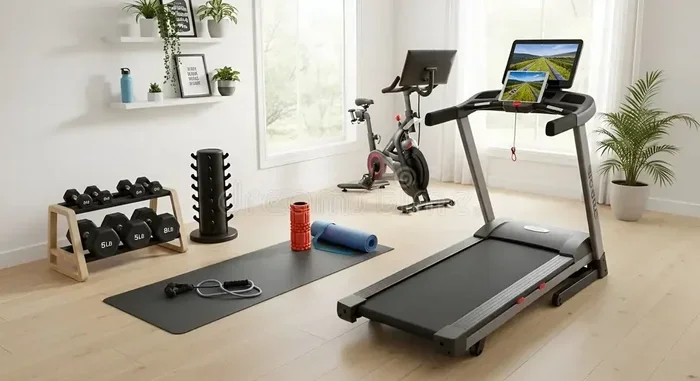
Yes, you can use your HSA for a treadmill, but only if a licensed physician prescribes it as medical treatment. The IRS treats treadmills as qualified medical expenses when they are medically necessary for conditions like obesity, heart disease, or physical rehabilitation. Without a prescription, your HSA funds cannot cover the purchase, so always get a Letter of Medical Necessity before buying.
This is a comprehensive guide about Can You Use Your Hsa For A Treadmill.
Key Takeaways
- HSA Eligibility: A treadmill qualifies as an HSA expense only with a doctor’s prescription and Letter of Medical Necessity.
- IRS Rules Matter: The IRS classifies treadmills as durable medical equipment when used to treat a diagnosed condition.
- Prescription Required: You must have a valid prescription from a licensed healthcare provider to use HSA funds.
- Keep Documentation: Save your prescription, receipt, and Letter of Medical Necessity for tax filing and audits.
- Home Use Is Fine: The IRS allows HSA reimbursement for home-use medical equipment, including treadmills.
- Not All Treadmills Qualify: Luxury or premium models beyond medical necessity may not be fully reimbursed.
[FEATURED_IMAGE_PLACEHOLDER]
Can You Use Your Hsa For A Treadmill
Using your Health Savings Account to buy a treadmill is a question many fitness enthusiasts ask. The short answer is yes, but there are important rules you need to know. The IRS has specific guidelines about what counts as a qualified medical expense, and a treadmill can fall into that category under the right circumstances.
If you have a high deductible health plan and an HSA, you already know how valuable those tax-free dollars are. Using them for a treadmill can feel like a smart financial move. But the process is not as simple as swiping your HSA card at the store. You need a prescription, proper documentation, and a clear understanding of what the IRS considers medically necessary.
This guide walks you through everything you need to know. We cover IRS rules, how to get approved, which treadmills qualify, and tips to make the process smooth. Whether you are dealing with a chronic condition or just want to stay active, this article has you covered.
Understanding HSA Eligibility For Fitness Equipment
Health Savings Accounts are powerful tools for managing medical costs. But not every health-related purchase qualifies. Understanding what the IRS considers eligible helps you avoid wasted time and denied claims.
What Makes A Treadmill HSA Eligible
The IRS Publication 502 lists durable medical equipment as an eligible expense. A treadmill can qualify if it meets these criteria:
- A licensed physician prescribes it for a specific medical condition.
- The treadmill is primarily used for medical treatment, not general fitness.
- You have a Letter of Medical Necessity from your doctor.
- The purchase is for diagnosis, cure, mitigation, treatment, or prevention of disease.
Without a prescription, the IRS views a treadmill as general fitness equipment. General fitness items are not HSA eligible. This is the most important distinction to understand before making any purchase.
Common Medical Conditions That Qualify
Several health conditions may qualify a treadmill as a medically necessary expense:
- Obesity: Doctors often prescribe cardio equipment for weight management when obesity poses serious health risks.
- Heart Disease: Treadmill walking or running can be part of a cardiac rehabilitation plan.
- Joint Problems: Low-impact treadmill use helps patients with arthritis or knee injuries maintain mobility.
- Diabetes: Regular cardio exercise is a key component of managing Type 2 diabetes.
- Physical Therapy: Post-surgery or injury recovery often includes treadmill walking as prescribed by a physical therapist.
If any of these conditions apply to you, talk to your doctor about getting a prescription. The more specific your medical need, the stronger your case for HSA reimbursement.
How To Use Your HSA To Buy A Treadmill
The process of using your HSA for a treadmill purchase is straightforward once you know the steps. Here is exactly what you need to do.
Step 1: Get A Prescription From Your Doctor
Start by scheduling an appointment with your primary care physician or specialist. Explain your health condition and why a treadmill would help your treatment plan. Your doctor needs to write a formal prescription that includes:
- The specific medical condition being treated.
- The type of equipment recommended (treadmill).
- The medical necessity for home use.
- The doctor’s signature and license number.
Some HSA administrators may also require a Letter of Medical Necessity (LMN). This letter goes beyond a simple prescription and explains why the equipment is essential for your health. Ask your doctor to include details about how the treadmill fits into your overall treatment plan.
Step 2: Purchase The Treadmill
Once you have your prescription, you can buy the treadmill. You have two main options:
- Buy first, then submit for reimbursement: Pay out of pocket and file a claim with your HSA administrator.
- Use your HSA card at checkout: If your HSA card works at retail stores, you can pay directly. However, some administrators flag fitness equipment purchases for review.
Using your HSA card directly is convenient, but be prepared for potential follow-up requests for documentation. Always keep your receipt, prescription, and any supporting medical letters.
Step 3: Submit Your Claim For Reimbursement
If you paid out of pocket, log into your HSA portal and submit a reimbursement claim. You will typically need to upload:
- The purchase receipt with itemized details.
- The doctor’s prescription or Letter of Medical Necessity.
- A written statement explaining the medical purpose of the purchase.
Processing times vary by HSA provider. Most claims are reviewed within 5 to 10 business days. Keep copies of everything you submit for your personal records.
For more details on the overall process of using HSA dollars for fitness gear, you can also check Can You Use Your Hsa To Buy A Treadmill for additional guidance.
IRS Rules For HSA And Exercise Equipment
The IRS has clear rules about what counts as a qualified medical expense. Understanding these rules protects you from denied claims and potential tax issues.
What The IRS Considers A Qualified Medical Expense
Under IRS rules, a qualified medical expense must be primarily for the diagnosis, cure, mitigation, treatment, or prevention of disease. The equipment must treat a specific medical condition. General wellness or fitness purposes do not qualify.
This means a treadmill bought solely for weight loss or general fitness is not HSA eligible. But a treadmill prescribed by a doctor to manage a diagnosed condition like heart disease or severe obesity is eligible. The line between general fitness and medical necessity is where most people get confused.
HSA vs FSA: Key Differences For Equipment Purchases
While both HSA and FSA accounts can cover eligible medical expenses, there are important differences:
| Feature | HSA | FSA |
|---|---|---|
| Ownership | You own it, even if you change jobs | Tied to your employer |
| Roll Over | Funds roll over year to year | Limited rollover or use-it-or-lose-it |
| Prescription Required | Yes, for fitness equipment | Yes, for fitness equipment |
| Contribution Limit (2024) | $4,150 individual / $8,300 family | $3,200 individual |
| Tax-Free Growth | Yes | No |
Both accounts require a prescription for treadmill purchases. The main advantage of an HSA is the ability to roll funds over and the triple tax benefit. If you have either account, the rules for treadmill eligibility remain the same.
What Happens If Your Claim Is Denied
HSA claims get denied more often than you might think. Common reasons include missing documentation, insufficient medical justification, or purchasing equipment without a prescription. If your claim is denied, you have the right to appeal. Submit additional medical records or a more detailed Letter of Medical Necessity. Being proactive and thorough from the start reduces the risk of denial.
Choosing The Right Treadmill For HSA Reimbursement
Not all treadmills are created equal when it comes to HSA reimbursement. The model you choose matters for both your health and your tax situation.
Basic vs Premium Models
Basic treadmills with essential features like adjustable speed and incline are perfectly fine for HSA claims. Premium models with fancy screens, built-in apps, and luxury finishes may raise questions from your HSA administrator. The IRS focuses on medical necessity, not brand name or extra features.
Stick with models that meet your medical needs without unnecessary extras. This keeps your claim clean and reduces the chance of scrutiny.
Features To Look For
When choosing a treadmill for medical use, prioritize these features:
- Low-impact cushioning: Protects joints for users with arthritis or knee issues.
- Adjustable speed settings: Allows gradual progression as prescribed by your doctor.
- Heart rate monitoring: Essential for cardiac patients tracking their exercise intensity.
- Compact design: Fits in a home setting without requiring a dedicated gym space.
- Quiet operation: Important for users who need consistent daily exercise routines.
If you are unsure which model fits your needs, check out Which Is A Good Treadmill For Home Use for helpful recommendations.
Tax Benefits Of Using Your HSA For A Treadmill
One of the biggest advantages of using HSA funds for a treadmill is the tax savings. Let us break down exactly how this works.
How HSA Tax Savings Work
HSA contributions are tax-deductible, the money grows tax-free, and withdrawals for qualified medical expenses are tax-free. This triple tax advantage makes HSA dollars incredibly valuable. When you use HSA funds to buy a treadmill, you avoid income tax and payroll tax on those dollars.
For example, if you are in the 22% tax bracket and buy a $1,000 treadmill with HSA funds, you save $220 in taxes compared to paying out of pocket with after-tax dollars. That is real money saved while investing in your health.
Keeping Proper Records
The IRS can audit your HSA claims at any time. Proper record keeping is non-negotiable. Here is what you should save:
- The original receipt from the treadmill purchase.
- The doctor’s prescription and Letter of Medical Necessity.
- Any correspondence with your HSA administrator.
- A personal statement explaining the medical purpose of the purchase.
Store these documents digitally and in physical form. Having organized records makes tax filing easier and protects you in case of an audit.
Can You Deduct A Treadmill On Your Tax Return
If you do not have an HSA or FSA, you may still be able to deduct treadmill expenses on your tax return. The IRS allows medical expense deductions for costs that exceed 7.5% of your adjusted gross income. However, this only applies to medically necessary equipment with proper documentation. General fitness equipment does not qualify for the deduction.
For additional information on using HSA funds specifically for treadmill purchases, visit Can I Use My Hsa To Buy A Treadmill for more detailed guidance.
Common Mistakes To Avoid
Using your HSA for a treadmill comes with pitfalls. Avoid these common mistakes to keep your claims approved and your tax situation clean.
Buying Without A Prescription
This is the number one mistake people make. Purchasing a treadmill without a doctor’s prescription almost guarantees a denied claim. Even if you have a medical condition, you need the formal prescription on file. Do not skip this step.
Overstating Medical Necessity
Be honest and accurate about why you need the treadmill. Exaggerating your medical needs can lead to claim denials and potential legal issues. Let your doctor determine what is medically appropriate and document it properly.
Keeping Poor Records
Losing your receipt or failing to save your prescription creates unnecessary headaches. The IRS requires proof that the expense was legitimate and medically necessary. Develop a simple filing system for all HSA-related documents.
Ignoring HSA Administrator Guidelines
Every HSA provider has its own claim submission process and requirements. Some require specific forms, while others accept digital uploads. Check with your HSA administrator before submitting to avoid delays or rejections.
Expert Insights On HSA And Home Fitness Equipment
Tax professionals and healthcare providers agree on one thing: documentation is everything. Dr. Sarah Chen, a sports medicine physician, explains: “When I prescribe a treadmill for a patient, I make sure the Letter of Medical Necessity is thorough. I describe the specific condition, the recommended treatment plan, and why home use is essential.”
Tax advisor Mark Rivera adds: “HSA holders should treat fitness equipment purchases with the same seriousness as any other medical expense. The IRS does not give special treatment to home exercise equipment. You need the same level of documentation as you would for a physical therapy session or a prescription drug.”
The key takeaway is simple. Treat your HSA treadmill purchase as a legitimate medical expense, and it will work just fine. Cut corners, and you will face denied claims and wasted money.
Frequently Asked Questions
Can I Use My HSA Card Directly To Buy A Treadmill?
Yes, you can use your HSA card at checkout if the retailer accepts HSA payments. However, some HSA administrators may flag fitness equipment purchases for review. Have your prescription and Letter of Medical Necessity ready in case they request documentation after the purchase.
Does The IRS Allow HSA Reimbursement For Home Treadmills?
Yes, the IRS allows HSA reimbursement for home-use medical equipment, including treadmills, as long as they are prescribed for a specific medical condition. The equipment must be primarily used for medical treatment, not general fitness or recreational purposes.
Can I Use Hsa Funds To Buy A Used Treadmill?
Yes, HSA funds can be used for used medical equipment, including treadmills. The same rules apply: you need a valid prescription and documentation proving medical necessity. Keep the receipt and any supporting medical paperwork for your records.
Will My Health Insurance Cover A Treadmill Purchase?
Most health insurance plans do not cover treadmill purchases directly. However, if you have an HSA or FSA, you can use those tax-advantaged accounts to pay for a prescribed treadmill. Check with your specific insurance provider for any exceptions or coverage details.
What If My HSA Claim For A Treadmill Gets Denied?
If your claim is denied, review the reason provided by your HSA administrator. Common fixes include submitting additional medical documentation, a more detailed Letter of Medical Necessity, or a clearer prescription. You can appeal the decision with your HSA provider. Being thorough and specific in your initial submission reduces the chance of denial.
Can I Use FSA Funds For A Treadmill The Same Way As HSA Funds?
Yes, FSA funds can be used for treadmill purchases under the same conditions as HSA funds. You need a prescription and medical documentation. The main difference is that FSA funds typically do not roll over year to year, so plan your purchase timing carefully to avoid losing unused funds.
Conclusion
Can You Use Your Hsa For A Treadmill? Absolutely, but only when the purchase meets IRS guidelines for medical necessity. A treadmill becomes an HSA-eligible expense when a licensed physician prescribes it to treat a diagnosed condition. The process requires a prescription, a Letter of Medical Necessity, and thorough documentation.
The tax savings alone make this a smart move for eligible individuals. Using HSA dollars means you avoid income tax and payroll tax on every dollar spent. That adds up to significant savings over time, especially on higher-priced cardio equipment.
Remember to keep all your records organized and submit complete claims. Avoid the common mistakes that lead to denied reimbursement. With the right preparation, your HSA can help you invest in a treadmill that supports both your health and your financial well-being. Start the process today by talking to your doctor about whether a treadmill is right for your treatment plan.
For more helpful information on using HSA dollars for fitness equipment, also explore Can I Use Hsa Funds To Buy A Treadmill to deepen your understanding of the process and requirements.
Frequently Asked Questions
What is Can You Use Your Hsa For A Treadmill?
Can You Use Your Hsa For A Treadmill is an important topic with many practical applications.