What Is a Good Recumbent Bike for Seniors
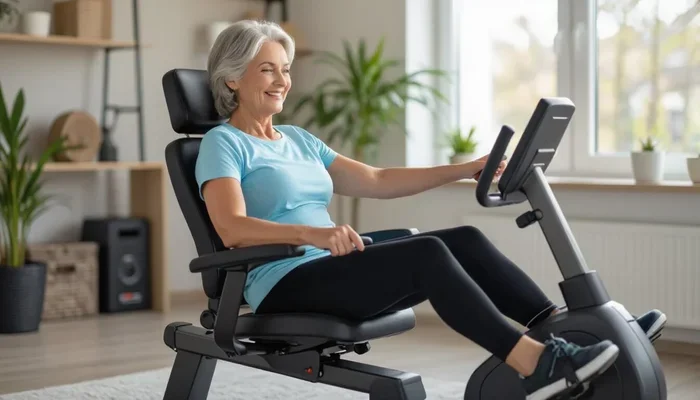
Finding the right recumbent bike for seniors means focusing on comfort, safety, and ease of use. A recumbent bike for seniors offers a low-impact cardio workout that is gentle on joints and easier on the back. With features like comfortable seating, adjustable resistance, and sturdy frames, these bikes make indoor cycling safe and enjoyable for older adults.
This is a comprehensive guide about What Is A Good Recumbent Bike For Seniors.
Key Takeaways
- Recumbent bikes are joint-friendly: They reduce stress on knees, hips, and ankles compared to upright bikes.
- Comfort is key: Look for supportive seats, easy entry/exit designs, and adjustable pedals.
- Safety features matter: Stability, heart rate monitoring, and emergency stops keep seniors safe.
- Low-impact cardio still works: You get a great cardio workout without the jarring impact of walking or running.
- Resistance levels should be adjustable: This allows you to start easy and progress as your fitness improves.
- Size and footprint count: Choose a bike that fits your space and feels stable when you ride it.
- Consistency beats intensity: A comfortable bike you will actually use is better than a fancy one you avoid.
[FEATURED_IMAGE_PLACEHOLDER]
Getting older does not mean you have to stop moving. In fact, staying active becomes even more important as you age. But finding the right exercise equipment can feel overwhelming. That is where the recumbent bike for seniors comes in.
A recumbent bike is a type of stationary bike where you sit in a laid-back reclined position. Your legs extend forward to reach the pedals instead of hanging down. This design takes pressure off your back, hips, and knees. For many older adults, this makes indoor cycling far more comfortable than a traditional upright bike.
But not all recumbent bikes are created equal. Some are built with features that specifically address the needs of older riders. From easy step-through frames to built-in heart rate monitors, the right bike can make a real difference in your daily routine. In this guide, we will walk you through everything you need to know about choosing the best option for your body and your goals.
Why Recumbent Bikes Are Great for Seniors
More and more older adults are turning to recumbent bikes for their daily exercise. And it is easy to see why. The design of a recumbent bike naturally supports the body in a way that reduces strain. This makes it one of the best pieces of home exercise equipment for aging bodies.
Low-Impact Exercise That Still Works
One of the biggest concerns for seniors starting a new exercise routine is impact. Every step you take while walking or jogging sends shock through your joints. A recumbent bike eliminates that problem. Your feet stay on the pedals the entire time. There is no jumping, no jarring, and no stress on your ankles or knees.
Despite being low-impact, you still get a solid cardio workout. Your heart rate rises, your lungs work harder, and your muscles stay engaged. Studies show that regular cycling can improve heart health, boost mood, and even help with weight loss. If you are worried about exercise bike for seniors not being effective, rest assured that the science backs it up.
Gentle on Your Back and Joints
Back pain is extremely common among older adults. Many people avoid exercise because they fear it will make their pain worse. A recumbent bike for seniors actually helps with this. The reclined seating position keeps your spine in a neutral, supported posture. You are not hunching forward or balancing on a narrow seat.
If you already deal with back pain, you may want to read more about why recumbent bikes are good for lower back pain. The supported seat and natural riding position can provide real relief while you stay active.
Easy to Get On and Off
Balance can become a concern as we age. Getting on and off a tall upright bike can feel risky. Most recumbent bikes for seniors feature a step-through design. The seat is low to the ground, and the frame opens up on the side. This means you can swing your legs right through and sit down safely. Getting off is just as easy.
Key Features to Look For
Not every recumbent bike is suitable for older riders. Some models are built for intense athletes and can be hard to use. When shopping for a recumbent bike for seniors, pay close attention to these features.
Comfortable Seating
The seat is the most important part of any recumbent bike. You will be sitting on it for the duration of your workout. Look for a wide, padded seat with good lumbar support. Some models even come with headrests and adjustable backrests. The more comfortable the seat, the longer you will want to ride.
A comfortable bike seat makes all the difference between sticking with your routine and giving up. If you have ever sat on a hard bike seat for too long, you know how quickly it can become painful. Avoid that problem by prioritizing comfort from the start.
Adjustable Resistance Levels
Your fitness level will change over time. A good recumbent bike for seniors should grow with you. Look for models that offer multiple resistance levels. You want to start at a low setting and gradually increase the challenge as your strength improves.
Magnetic resistance systems are the smoothest and quietest. They require no physical contact, which means less wear and tear. Flywheel weight also matters. A heavier flywheel provides a smoother, more consistent ride. Most quality bikes for seniors offer at least 16 to 25 resistance levels.
Stable and Sturdy Frame
Safety comes first. A recumbent bike should feel rock-solid when you ride it. Look for a wide base and a weight capacity that exceeds your body weight. Most quality models support 250 to 350 pounds. The frame should not wobble or tip when you shift your weight.
Check the pedal straps too. They keep your feet securely in place and prevent slipping. For seniors who worry about balance during a ride, this small detail adds a lot of confidence.
Easy-to-Read Display and Controls
Small buttons and tiny screens can be frustrating. As we get older, our eyesight and dexterity change. Choose a bike with a large, backlit display that shows your time, speed, distance, calories, and heart rate at a glance. The controls should be simple and clearly labeled.
Many modern recumbent bikes also include preset workout programs. These take the guesswork out of your routine. You simply pick a program and the bike adjusts the resistance automatically. It is a great way to keep things interesting without having to think too much.
Heart Rate Monitoring
Tracking your heart rate is important for any cardio workout. It helps you exercise at the right intensity without overdoing it. Most recumbent bikes for seniors come with hand pulse sensors on the handlebars. Some models also allow you to connect a chest strap for more accurate readings.
Knowing your heart rate zone helps you get the most out of each session. It also keeps you safe by making sure you do not push yourself too hard. This is especially important if you have any heart-related health conditions.
Benefits of Riding a Recumbent Bike
The benefits of using a recumbent bike go far beyond just getting some exercise. Let us look at what regular riding can do for your body and mind.
Improves Heart Health
Your heart is a muscle. Like any muscle, it gets stronger with regular exercise. Riding a recumbent bike raises your heart rate in a safe, controlled way. Over time, this can lower blood pressure, improve circulation, and reduce the risk of heart disease. Even 20 to 30 minutes a day can make a measurable difference.
Supports Weight Management
Staying at a healthy weight becomes harder as we age. Metabolism slows down, and muscle mass decreases. A recumbent bike for weight loss can help you burn calories without putting extra stress on your body. If you are curious about how effective cycling is for shedding pounds, check out this guide on how effective a recumbent bike is for weight loss.
You do not need to ride like a professional athlete to see results. A moderate, consistent routine paired with a balanced diet can help you maintain or even lose weight over time.
Boosts Mood and Mental Health
Exercise releases endorphins, the body’s natural feel-good chemicals. Regular riding can reduce symptoms of anxiety and depression. It also improves sleep quality, which is something many older adults struggle with. The gentle nature of a recumbent bike means you can enjoy these mental health benefits without feeling exhausted or sore afterward.
Strengthens Legs and Core
Riding a bike works your quadriceps, hamstrings, calves, and glutes. It also engages your core muscles to keep you stable. This kind of strengthening is essential for maintaining mobility and independence as you age. Stronger legs mean better balance and a lower risk of falls.
If you are comparing options, you might wonder how a recumbent bike stacks up against walking. Both are excellent low-impact exercises. A recumbent bike offers more targeted muscle engagement and can burn more calories in less time. Walking is great too, but it is weather-dependent and harder on the joints over the long term.
Common Mistakes Seniors Make When Choosing a Recumbent Bike
Avoiding these mistakes can save you money, frustration, and even injury. Here is what to watch out for.
Buying the Cheapest Model
It is tempting to grab the least expensive bike you can find. But budget models often come with thin seats, wobbly frames, and limited resistance settings. A recumbent bike is an investment in your health. Spending a little more upfront means a bike that lasts longer and feels better to ride.
Ignoring Seat Comfort
Some people focus only on the bike’s features and forget about the seat. A hard, narrow seat will ruin your motivation fast. Always test-sit a bike before buying it if possible. If you cannot test it in person, read reviews that specifically mention seat comfort.
Skipping the Test Ride
Every bike feels different. What works for one person may not work for you. Visit a local store and try a few models. Pay attention to how easy it is to get on and off, how the seat feels, and how smooth the pedaling motion is. A test ride takes five minutes and can save you from buying the wrong bike.
Setting Resistance Too High Too Soon
It is tempting to crank up the resistance to feel like you are getting a hard workout. But starting too high can strain your muscles and joints. Begin with a low setting and focus on form and consistency. Gradually increase the resistance over weeks and months as your body adapts.
Tips for Getting Started Safely
Starting a new exercise routine can feel intimidating. Here are some simple tips to help you ease into riding a recumbent bike with confidence.
- Start with short sessions. Aim for 10 to 15 minutes a day at first. You can always add time as your fitness improves.
- Warm up before you ride. Do some gentle stretching for your legs and back before hopping on the bike.
- Stay hydrated. Keep a water bottle nearby and take sips throughout your ride.
- Listen to your body. If something feels wrong, stop and rest. Pain is your body’s way of telling you to slow down.
- Ride consistently. Three to four rides per week is a great starting point. Consistency matters more than intensity.
- Talk to your doctor. If you have any health conditions or concerns, check with your doctor before starting a new exercise routine.
Remember, the goal is to move your body in a way that feels good. A recumbent bike for seniors makes that easy and enjoyable. You do not need to push yourself to exhaustion. A comfortable, steady ride is already doing wonders for your health.
Final Thoughts
Choosing the right recumbent bike for seniors comes down to comfort, safety, and consistency. Focus on bikes with supportive seats, adjustable resistance, and stable frames. Pay attention to the features that matter most for your body and your lifestyle. The best bike is the one you will actually use.
Regular riding can improve your heart health, support your joints, boost your mood, and help you maintain a healthy weight. It is one of the simplest and most effective forms of low-impact exercise available. Whether you are recovering from an injury, managing a chronic condition, or just looking to stay active, a recumbent bike can be a wonderful addition to your daily routine.
Take your time choosing the right model. Try before you buy if you can. And most importantly, enjoy the ride. Your body will thank you for it.
Frequently Asked Questions
Is a recumbent bike safe for seniors with back problems?
Yes, a recumbent bike is generally very safe for seniors with back issues. The reclined position supports your spine and reduces pressure on your lower back. However, you should always consult your doctor before starting any new exercise program, especially if you have a existing back condition.
How long should a senior ride a recumbent bike each day?
Starting with 10 to 15 minutes a day is a great goal. As your fitness improves, you can gradually increase to 20 or 30 minutes. Consistency matters more than duration. Even a short daily ride provides meaningful health benefits over time.
Can a recumbent bike help with weight loss for seniors?
Absolutely. A recumbent bike for weight loss can burn a significant number of calories when used regularly. Combined with a balanced diet, regular cycling is an effective and joint-friendly way to manage weight. The key is to stay consistent and gradually increase the intensity of your rides.
What is the difference between a recumbent bike and an upright bike?
A recumbent bike has a reclined seat with your legs extending forward. An upright bike has a traditional saddle seat with your legs hanging down. Recumbent bikes are generally more comfortable for seniors because they support the back and reduce joint stress. They also feel more stable and easier to get on and off.
Do I need a prescription or medical clearance to buy a recumbent bike?
No, you do not need a prescription to purchase a recumbent bike. However, if you have any ongoing health conditions such as heart disease, high blood pressure, or joint problems, it is wise to check with your doctor first. They can help you determine the right intensity level for your fitness routine.
Can I use a recumbent bike if I have bad knees?
Yes, a recumbent bike is one of the best exercise options for people with bad knees. The low-impact motion puts minimal stress on your knee joints. The supported seating position also reduces the load on your knees compared to standing exercises. If you have specific knee concerns, it is always best to get advice from a physical therapist or your doctor.