What Is a Good Stationary Bike to Buy
Finding a good stationary bike to buy depends on your fitness goals, budget, and available space. Whether you prefer an upright bike, a recumbent model, or a spin bike, this guide breaks down everything you need to know. We cover the key features to look for, common mistakes to avoid, and practical tips to help you choose the best bike for your home workout routine.
Shopping for a new stationary bike can feel overwhelming. There are so many brands, styles, and price points on the market. How do you even begin to narrow things down?
The good news is that finding the right bike doesn’t have to be complicated. With a clear idea of what you need, you can skip the confusion and pick a bike that actually fits your life. This guide walks you through every important factor, from bike types to key features, so you can make a confident choice.
Whether you are a complete beginner or a fitness enthusiast, this article will help you understand what makes a stationary bike worth your money. Let’s dive in.
Key Takeaways
- Choose the right type: Upright, recumbent, and spin bikes each serve different fitness needs and comfort levels.
- Focus on key features: Resistance levels, flywheel weight, seat comfort, and console display matter a lot.
- Set a realistic budget: Good stationary bikes range from affordable to premium, and you don’t need to spend a fortune.
- Match the bike to your goals: Weight loss, cardio fitness, and joint-friendly exercise all benefit from different bike styles.
- Consider your space: Measure your workout area before buying to ensure the bike fits comfortably.
- Read user reviews: Real-world feedback helps you avoid common problems and find reliable brands.
📑 Table of Contents
Why a Stationary Bike Is a Smart Investment
A stationary bike is one of the most practical pieces of home fitness equipment you can own. It offers a low-impact workout that is easy on your joints while still delivering serious cardio benefits. Unlike running or jumping exercises, cycling on a bike puts minimal stress on your knees and hips.
Many people choose a stationary bike because it fits easily into their daily routine. You can hop on while watching TV, listening to a podcast, or reading a book. The convenience factor alone makes it a popular choice for home workouts.
If you are wondering whether a stationary bike truly delivers results, the answer is yes. Regular cycling helps improve heart health, burn calories, and build endurance. For those focused on weight loss, a bike can be a powerful tool when paired with a balanced diet and consistent routine.
One of the best things about owning your own bike is that you can exercise anytime. No more rushing to the gym or waiting for equipment. Your home stationary bike is always ready whenever you are.
Types of Stationary Bikes You Should Know
Not all bikes are the same. Understanding the different types helps you find the one that matches your body, goals, and preferences.
Upright Stationary Bikes
The upright bike is the most common style you will see in gyms and homes. It mimics the posture of a regular outdoor bicycle. You sit upright and pedal downward, which engages your quads, glutes, and calves.
Upright bikes are compact and take up less floor space. They are a great choice for people who want a traditional cycling feel. If you have limited room in your home, an upright model is often the best option.
Recumbent Stationary Bikes
A recumbent bike features a wider seat with a backrest. You sit in a reclined position with your legs extended forward. This design is extremely comfortable and reduces pressure on your lower back.
Recumbent bikes are ideal for people with joint issues or those recovering from injuries. They are also a popular choice for older adults who want a safe, low-impact exercise option. If comfort is your top priority, a recumbent bike deserves strong consideration.
Spin Bikes
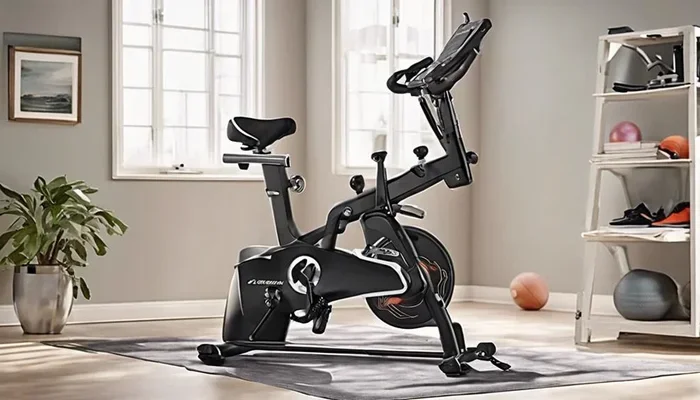
Spin bikes are designed for intense workouts. They feature a heavy flywheel and a more aggressive riding position. These bikes are what you typically see in group cycling classes.
Spin bikes are built for performance. They offer heavy resistance and allow you to simulate climbing, sprinting, and hill riding. If you are looking for a challenging cardio workout at home, a spin bike can deliver exactly that.
Dual-Action and Air Bikes
Dual-action bikes involve both your arms and legs during the workout. Air bikes use fan-based resistance that increases the harder you pedal. These are advanced options best suited for experienced fitness enthusiasts.
Key Features to Look for When Buying
Not every stationary bike is created equal. Here are the features that truly matter when you are making a purchase.
Resistance Levels
The ability to adjust resistance is essential. More resistance levels give you greater control over your workout intensity. A bike with at least 10 to 16 resistance settings offers plenty of variety for both beginners and advanced users.
Look for bikes with smooth, quiet resistance systems. Magnetic resistance is a popular choice because it operates silently and requires little maintenance. Friction-based resistance can be noisier but still gets the job done.
Flywheel Weight
The flywheel is the weighted wheel that spins when you pedal. A heavier flywheel creates a smoother, more consistent ride. Most quality bikes have a flywheel weighing between 10 and 20 kilograms.
If you want a feel closer to outdoor cycling, opt for a heavier flywheel. Lighter flywheels are fine for casual riding but may feel a bit jerky during your sessions.
Seat Comfort and Adjustability
You will be sitting on this bike for a while, so seat comfort matters a lot. Look for an adjustable seat that moves both horizontally and vertically. This allows you to find the perfect riding position for your body.
Some bikes come with extra-padded seats or even memory foam cushions. If you plan on longer sessions, these comfort features can make a big difference.
Console and Display
A good console tracks your workout data. Look for displays that show your speed, distance, time, calories burned, and heart rate. Some higher-end models even offer preset workout programs and Bluetooth connectivity.
You do not need a fancy console to get a great workout. But having basic metrics at a glance helps you stay motivated and track your progress over time.
Heart Rate Monitoring
Many bikes include hand pulse sensors on the handlebars. For more accurate readings, some models support wireless chest straps or fitness wristbands. Monitoring your heart rate helps you train in the right heart rate zone for maximum results.
Foot Pedals and Safety
Check the quality of the pedals. Textured or concave pedals keep your feet secure during intense workouts. Some bikes include toe clips or straps for added stability.
A sturdy frame with a solid base prevents the bike from wobbling or tipping. Always test the stability of a bike before you buy it if possible.
Budget Considerations: How Much Should You Spend?
The price of a stationary bike can range from under $200 to over $2,000. Setting a realistic budget helps you narrow your options without feeling overwhelmed.
Budget bikes under $300 offer basic features and solid functionality. They are perfect for beginners or anyone who wants a simple way to stay active at home. You may find fewer resistance levels and a simpler console, but the core workout experience is still effective.
Mid-range bikes between $300 and $800 offer better build quality, more features, and greater comfort. These models often include magnetic resistance, adjustable seats, and more detailed displays. For most home users, this is the sweet spot.
Premium bikes above $800 are designed for serious athletes and fitness enthusiasts. They feature advanced consoles, heavy flywheels, and premium comfort features. If you are a dedicated cyclist or plan to train intensely, investing in a higher-end model makes sense.
Remember that the most expensive bike is not always the best choice for you. Focus on features that align with your specific needs and goals.
How to Choose the Right Bike for Your Goals
Your fitness goals should guide your purchase. Different bikes excel in different areas.
For Weight Loss
If your primary goal is burning calories, look for a bike that allows you to sustain higher intensity workouts. A spin bike or an upright bike with multiple resistance levels works well for this purpose. Combining your bike sessions with a healthy diet will maximize your results.
Many people find that a stationary bike for weight loss is one of the most sustainable exercise options. Because it is low-impact, you can ride frequently without risking injury or burnout.
For Joint Health and Recovery
If you have bad knees or are recovering from a joint injury, a recumbent bike is your best friend. The reclined position and gentle motion reduce stress on your joints while still providing an effective workout. A stationary bike for bad knees can help you stay active without pain or discomfort.
For General Fitness and Heart Health
For overall cardiovascular health, any type of stationary bike will work. The key is consistency. Aim for at least 150 minutes of moderate cycling per week. You can break this into shorter daily sessions that fit your schedule.
Using your bike for regular indoor cycling sessions helps lower blood pressure, improve cholesterol levels, and boost your energy. It is one of the simplest ways to invest in your long-term health.
For Space Constraints
If you live in a small apartment or have limited space, consider a compact upright bike or a model that folds for easy storage. Measure your available space carefully before shopping. Leave room around the bike for safe mounting and dismounting.
Common Mistakes to Avoid When Buying a Stationary Bike
Avoiding these common pitfalls saves you time, money, and frustration.
- Skipping the test ride: Always test a bike in person if possible. Comfort is very personal, and what looks good on paper may not feel right to you.
- Ignoring assembly requirements: Some bikes require professional assembly, which adds cost. Check the assembly instructions and your comfort level before purchasing.
- Overlooking warranty coverage: A solid warranty protects your investment. Look for bikes with at least a one-year frame warranty and coverage on moving parts.
- Buying based on price alone: The cheapest option is not always the best value. Consider build quality, features, and long-term durability.
- Neglecting to read reviews: Real user feedback reveals problems that product descriptions hide. Spend time reading reviews before making your final decision.
Final Thoughts
Choosing the right stationary bike comes down to understanding your body, your goals, and your budget. There is no single perfect bike for everyone. The best bike is the one that fits your lifestyle, feels comfortable to ride, and keeps you motivated to show up consistently.
Take your time, do your research, and trust your instincts. A great bike can transform your fitness journey and make home workouts something you actually look forward to. Start with the basics, stay consistent, and enjoy the ride.
Is a Stationary Bike Worth It?
Absolutely. A stationary bike offers a convenient, effective, and joint-friendly way to stay active. Whether you are just starting out or training for a specific goal, a good bike can deliver real results.
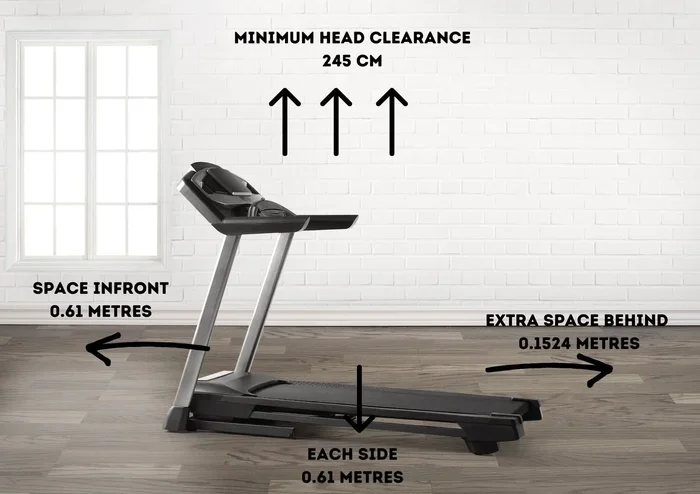
For those who want to compare options, you might also explore whether a stationary bike or treadmill better suits your fitness routine. Both have unique advantages, and the right choice depends on your personal preferences and workout style.
With the right bike and a solid plan, you are well on your way to building a stronger, healthier you. Happy riding.
Frequently Asked Questions
What is the best type of stationary bike for beginners?
An upright stationary bike is usually the best choice for beginners. It offers a familiar riding position, simple controls, and a comfortable workout experience. You can always upgrade to a recumbent or spin bike as your fitness level improves.
How often should I use my stationary bike to see results?
Aim for at least three to five sessions per week, lasting 20 to 45 minutes each. Consistency matters more than intensity when you are just starting out. Over time, you can increase the duration and resistance to challenge yourself further.
Can I lose weight by riding a stationary bike every day?
Yes, riding a stationary bike daily can support weight loss when combined with a balanced diet. A stationary bike for weight loss burns calories effectively, especially during moderate to high-intensity sessions. Just make sure to rest when your body needs recovery.
Is a stationary bike good for people with knee problems?
Yes, a stationary bike for bad knees is one of the most recommended forms of low-impact exercise. The smooth, circular motion reduces joint stress while still strengthening the muscles around your knees. A recumbent bike is especially gentle on the joints.
What should I budget for a good stationary bike?
Most quality stationary bikes fall between $300 and $800. This mid-range price point offers excellent features, solid build quality, and long-term durability. You do not need to spend a fortune to get a bike that delivers a great workout.
How do I know if a stationary bike fits my space?
Measure the area where you plan to place the bike and compare it to the bike’s dimensions. Allow extra space around the bike for safe access. Many upright bikes have a small footprint, making them suitable for apartments and small rooms.