How Can I Clean My Yoga Mat 3
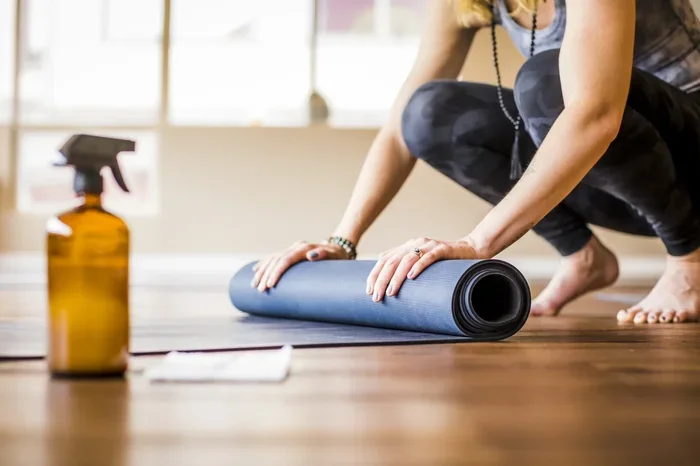
Keeping your yoga mat 3 clean is essential for hygiene, grip, and longevity. You can deep clean your mat using a gentle homemade solution of water and mild dish soap, or opt for a commercial yoga mat cleaner for a hassle-free experience. Regularly wiping down your mat after each session and doing a thorough wash every few weeks will prevent bacteria buildup, eliminate unpleasant odors, and keep your yoga mat 3 looking and feeling like new for years to come.
How Can I Clean My Yoga Mat 3
Your yoga mat picks up a lot during every session. Sweat, dirt, bacteria, and odor build up fast, especially if you practice regularly. How can I clean my yoga mat 3 is one of the most searched questions by yoga lovers who want a fresh and safe surface. In this guide, I will walk you through simple, proven methods to keep your mat spotless. You will learn the best cleaning techniques, how often to clean, and what mistakes to avoid. A clean mat means better grip, fewer germs, and a longer lifespan for your gear.
Whether you are a beginner or a seasoned yogi, maintaining your mat is essential. A dirty mat can cause slipping and skin irritation. Cleaning your yoga mat does not need to be complicated or time-consuming. With the right approach, you can refresh your mat in minutes. Let us dive into the most effective ways to get the job done right.
Key Takeaways
- Always clean your yoga mat after every session to prevent bacteria buildup and extend its lifespan.
- Use a gentle spray solution of water, vinegar, and essential oils for effective deep cleaning.
- Never machine wash or wring out your mat, as this damages the material and structure.
- Allow your mat to air dry completely before rolling it up to prevent mold growth.
- Deep clean your yoga mat monthly using a mild detergent and a soft cloth.
- Store your clean mat in a cool, dry place away from direct sunlight.
- Replace your yoga mat when it loses grip or becomes permanently stained and slippery.
📑 Table of Contents
Why Cleaning Your Yoga Mat Matters
Many people overlook the importance of mat hygiene. Your hands and feet press against the surface during every pose. Sweat and oils soak into the material over time. This creates a breeding ground for bacteria and fungi. A yoga mat deep clean removes these harmful germs before they cause problems.
Here is why regular cleaning matters so much:
- It prevents skin rashes and infections.
- It improves grip and stability during poses.
- It eliminates unpleasant odors.
- It extends the life of your mat.
- It keeps your practice space hygienic.
Think about how often you touch your mat. Every session adds to the buildup. A quick mat cleaning routine after each use makes a huge difference. You do not need expensive products either. Simple household items work surprisingly well for most mats.
Best Ways To Clean My Yoga Mat 3
There are several effective methods to clean my yoga mat 3 style. Each approach works best for different types of mats and levels of dirt. Let us explore the top options so you can pick what fits your needs.
Method 1: Spray and Wipe
This is the simplest and fastest method. You spray a cleaning solution on the surface and wipe it down with a soft cloth. It works great for light to moderate cleaning. Many yoga brands sell yoga mat cleaner sprays, but you can also make your own at home.
Here is how to do it:
- Mix water with a few drops of mild dish soap or a natural disinfectant.
- Pour the solution into a spray bottle.
- Spray the mat evenly, focusing on sweaty areas.
- Wipe gently with a damp microfiber cloth.
- Rinse the cloth and wipe again to remove soap residue.
This method is perfect for a quick yoga mat wipe down after every session. It takes less than five minutes and keeps your mat fresh between deeper cleanings.
Method 2: Soak and Scrub
For mats that have seen better days, a deeper clean is needed. Soaking the mat in a bathtub or large basin works wonders. This method is ideal for yoga mat deep clean sessions that remove stubborn sweat stains and buildup.
Follow these steps for best results:
- Fill a tub with lukewarm water.
- Add a gentle cleaner like vinegar or a small amount of mild detergent.
- Submerge the mat and let it soak for 10 to 15 minutes.
- Gently scrub the surface with a soft brush or cloth.
- Rinse thoroughly with clean water.
- Hang the mat to dry completely before rolling it up.
Be careful with this method if your mat has a fabric or cork top layer. Check the manufacturer’s guidelines first. Some materials should never be soaked. When in doubt, stick with the spray and wipe method.
Method 3: Use a Yoga Mat Cleaning Machine
Some people prefer using a specialized mat cleaning device. These machines spray and vacuum in one pass. They are fast and very effective for yoga mat maintenance. While they cost more upfront, they save time and effort in the long run. If you practice yoga daily, a cleaning machine can be a worthwhile investment.
How Often Should You Clean Your Yoga Mat
The frequency of cleaning depends on how often you use your mat. A general rule is to do a quick wipe after every session. A deeper clean should happen at least once every two weeks. If you practice hot yoga or sweat heavily, you may need to clean more often.
Here is a simple schedule to follow:
| Usage Level | Quick Wipe Frequency | Deep Clean Frequency |
|---|---|---|
| Light Use (1-2 times per week) | After every session | Once a month |
| Regular Use (3-5 times per week) | After every session | Every two weeks |
| Heavy Use (Daily or Hot Yoga) | After every session | Every week |
| Shared Mat (Studio Use) | After every session | Every week |
Sticking to a schedule keeps your mat in great shape. It also helps you avoid the buildup of bacteria and odor. A consistent mat cleaning routine is the secret to a long-lasting yoga mat.
DIY Yoga Mat Cleaning Solutions
You do not need to buy expensive products to keep your mat clean. Many household items work just as well. Here are some safe and effective solutions you can try at home.
Vinegar Solution
White vinegar is a natural disinfectant that kills bacteria and removes odors. Mix one part vinegar with three parts water in a spray bottle. Spray the mat lightly and wipe with a damp cloth. This is one of the most popular yoga mat cleaning methods among eco-conscious yogis. If you want to learn more about using vinegar specifically, check out my guide on can I use vinegar to clean my yoga mat for detailed tips and precautions.
Hydrogen Peroxide Mix
Hydrogen peroxide is another excellent natural cleaner. Mix a 3% solution with equal parts water. Spray it on the mat and let it sit for a few minutes before wiping. It works well on tough stains and kills germs effectively. Just make sure to rinse the mat afterward to remove any residue.
Mild Dish Soap and Water
This is the most accessible option for most people. A few drops of gentle dish soap in warm water do the trick. Avoid harsh detergents or bleach because they can damage the mat material. Stick to mild, fragrance-free options for the best results.
Castile Soap Solution
Castile soap is a plant-based cleaner that is gentle yet effective. Mix a teaspoon of liquid castile soap with warm water. Spray and wipe as you normally would. This option is great for people who want a natural yoga mat cleaner without synthetic chemicals.
Common Mistakes To Avoid When Cleaning Your Yoga Mat
Even with good intentions, people make mistakes that can damage their mats. Avoid these common errors to keep your mat in top condition.
- Using too much water: Excess moisture can seep into the mat and cause mildew. Always wring out your cloth well.
- Using harsh chemicals: Bleach and strong solvents break down the material over time. They can also leave a residue that irritates your skin.
- Skipping the rinse: Soap residue makes the mat slippery and attracts dirt faster. Always rinse thoroughly after cleaning.
- Not drying the mat properly: Rolling up a wet mat promotes mold growth. Always air dry completely before storing.
- Using a washing machine: Most yoga mats should never go in the washer. The agitation can tear the material. If you are unsure, read up on whether you can wash your yoga mat in the washer before attempting it.
Taking a few extra minutes to clean correctly saves you from costly replacements. Gentle care goes a long way in maintaining your mat’s quality.
How To Dry and Store Your Yoga Mat After Cleaning
Drying is a crucial step that many people rush through. A properly dried mat stays fresh longer and resists bacteria growth. After cleaning, lay the mat flat on a clean towel or hang it over a clothesline. Avoid direct sunlight for extended periods because it can cause the material to warp or fade.
Here are some quick drying tips:
- Use a fan to speed up the process.
- Flip the mat halfway through drying.
- Never roll up a damp mat.
- Store the mat in a cool, dry place.
- Unroll the mat occasionally to air it out.
Proper storage also matters. Keep your mat in a breathable bag rather than a sealed plastic cover. This allows air circulation and prevents moisture buildup. A well-maintained mat can last for years with the right care routine.
Final Thoughts
Keeping your yoga mat clean is one of the simplest yet most important parts of your practice. A fresh mat improves your grip, protects your health, and makes every session more enjoyable. The key is consistency. A quick wipe after each session and a deeper clean every few weeks keeps everything in check.
Now that you know how can I clean my yoga mat 3 with confidence, you can keep your gear in excellent shape. Try the DIY solutions, follow a cleaning schedule, and avoid common mistakes. Your mat will thank you with better performance and a longer life. Start your cleaning routine today and feel the difference in your next practice session.
Frequently Asked Questions
How Often Should I Clean My Yoga Mat?
You should clean your yoga mat at least once a week if you practice regularly. For heavy users or hot yoga enthusiasts, wiping it down after every session is a smart habit. Regular cleaning prevents bacteria buildup and keeps your mat fresh and hygienic.
What Is the Best Way to Clean a Yoga Mat at Home?
The best method is to mix warm water with a mild dish soap or a dedicated yoga mat cleaner. Spray the solution lightly on the surface, then gently wipe with a soft cloth. Avoid soaking the mat, as excess moisture can damage the material over time.
Can I Use Household Cleaners on My Yoga Mat?
It is best to avoid harsh chemical cleaners, bleach, or antibacterial sprays on your yoga mat. These products can break down the material and cause skin irritation during practice. Stick to gentle, natural cleaners or a simple water-and-vinegar solution for safe results.
How Do I Deep Clean a Yoga Mat Properly?
To deep clean a yoga mat, start by soaking it in a bathtub with lukewarm water and a small amount of mild detergent. Gently scrub both sides with a soft sponge, then rinse thoroughly to remove all soap residue. Lay the mat flat on a clean towel and air dry completely before rolling it up.
How Long Does It Take for a Yoga Mat to Dry After Cleaning?
A yoga mat typically takes 24 to 48 hours to dry completely, depending on the thickness and material. Hang it over a shower rod or lay it flat in a well-ventilated area away from direct sunlight. Never roll up a damp mat, as trapped moisture can lead to mold and unpleasant odors.
Can I Put a Yoga Mat in the Washing Machine?
Most yoga mats should not go in the washing machine, as the agitation can warp or tear the material. If your mat is thin and machine-safe, use a gentle cycle with cold water and mild soap. Always check the manufacturer’s care instructions before attempting this method.