How Long Should I Stay on a Treadmill
How long you stay on a treadmill depends on your fitness level, goals, and experience. Beginners should start with 15 to 20 minutes, while intermediate and advanced users can aim for 30 to 60 minutes. The right treadmill duration helps you burn calories, build endurance, and avoid injury without overdoing it.
This is a comprehensive guide about How Long Should I Stay On A Treadmill.
Key Takeaways
- Start small: Beginners should aim for 15 to 20 minutes per session to build a solid foundation.
- Weight loss goals: 30 to 45 minutes of moderate treadmill work helps you burn fat effectively.
- Listen to your body: Signs like dizziness or extreme fatigue mean you need to adjust your time or intensity.
- Mix it up: Alternating walking and running intervals keeps workouts engaging and boosts results.
- Warm up and cool down: Always spend 5 minutes warming up and 5 minutes cooling down to protect your joints.
- Consistency beats intensity: Shorter, regular sessions beat occasional long workouts every time.
- Track your progress: Use the treadmill console or a fitness app to monitor time, speed, and calories burned.
[FEATURED_IMAGE_PLACEHOLDER]
Why Treadmill Duration Matters
Many people hop on a treadmill and just start running without a plan. They guess how long to stay on the machine. The truth is, how long you stay on a treadmill has a big impact on your results. Too little time and you won’t see progress. Too much and you risk injury or burnout.
Your body responds to the duration and intensity of your workout. When you walk or run on a treadmill, your heart rate rises. Your muscles work harder. Your lungs pull in more oxygen. All of this happens within a specific time window. If you cut your session too short, you miss out on the benefits. If you push too long, your body starts to break down.
The good news? You don’t need to spend hours on the machine. A well-planned treadmill workout duration gives you great results in less time. Whether you want to lose weight, build endurance, or just stay healthy, the right amount of time on the treadmill makes all the difference.
Before we dive into specific time recommendations, let’s talk about why this question comes up so often. People get confused by conflicting advice online. One article says 20 minutes. Another says an hour. The reality is, there’s no one-size-fits-all answer. Your ideal treadmill session length depends on several personal factors.
How Long Should Beginners Stay on a Treadmill
If you’re new to treadmill exercise, you might wonder how much time is enough. The answer is less than you think. Starting small helps your body adjust without causing soreness or discouragement.
The 15-to-20-Minute Rule for Newcomers
Most fitness experts recommend that beginners start with 15 to 20 minutes per session. This might feel too easy at first. But trust the process. Your joints, muscles, and heart need time to adapt to the new movement pattern.
During these first few weeks, focus on walking at a comfortable pace. Don’t worry about speed or distance. The goal is simply to build the habit of showing up. Here’s a simple breakdown for your first two weeks:
- Days 1 to 7: Walk at a gentle pace for 15 minutes. Keep your speed around 2.5 to 3.0 mph.
- Days 8 to 14: Increase to 20 minutes. You can add a slight incline to make your legs work a bit more.
After two weeks, you can start adding a few minutes each week. Before long, you’ll be able to handle 30-minute sessions with ease. The key is patience. Rushing into long workouts is the fastest way to quit.
What to Do During Your First Treadmill Sessions
Your first few treadmill workouts should feel easy and enjoyable. Here are some tips to make them productive:
- Start with a 2-minute warm-up walk at a slow pace.
- Walk at a moderate pace for the main part of your session.
- Finish with a 2-minute cool-down walk to bring your heart rate down.
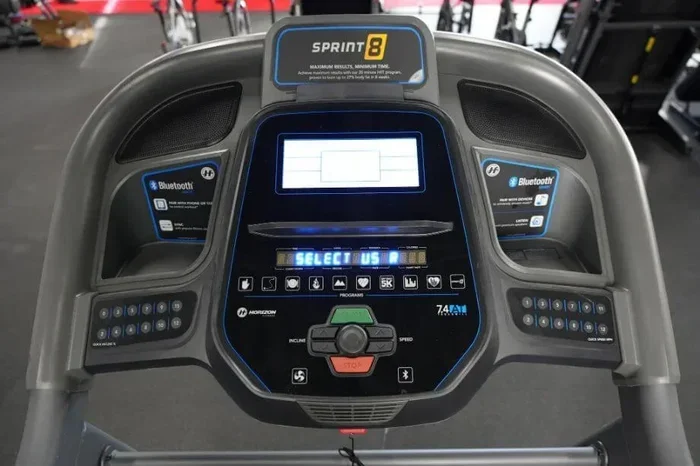
- Use the treadmill console to track your time and distance.
- Stay hydrated by keeping a water bottle nearby.
Remember, how long you stay on a treadmill as a beginner matters less than showing up consistently. Three short sessions per week will beat one long session every now and then. Build the habit first. You can always add more time later.
Ideal Treadmill Duration for Weight Loss
Many people turn to the treadmill because they want to burn calories and lose weight. The question then becomes: how long do you need to stay on the machine to see real results?
Finding the Sweet Spot
For weight loss, most experts suggest 30 to 45 minutes of moderate treadmill exercise per session. This duration hits a sweet spot where your body starts burning stored fat for fuel. Shorter sessions might not give you enough time to reach this fat-burning zone.
But here’s the thing — duration isn’t the only factor. What speed should you run on a treadmill to maximize fat burn? A brisk walk of 3.5 to 4.0 mph works well for beginners. As you get fitter, you can increase your speed or add incline to challenge yourself further.
Let’s compare a few common scenarios:
- 30 minutes at 3.5 mph (walking): Burns roughly 150 to 200 calories for most people.
- 45 minutes at 4.5 mph (brisk walking or light jogging): Burns roughly 300 to 450 calories.
- 60 minutes at 5.0+ mph (running): Burns 500+ calories, but this is only for advanced users.
Your treadmill time for weight loss also depends on your body weight, age, and fitness level. A heavier person will burn more calories at the same speed compared to a lighter person. The best approach is to start where you are and gradually increase your duration over weeks.
How Many Calories Should You Aim to Burn
If you want a clear target, check out how many calories you should burn on a treadmill to set realistic goals. A safe and sustainable rate is about 300 to 500 calories per session, depending on your body type and workout intensity. Trying to burn too many calories too fast leads to exhaustion and often gives up entirely.
Also consider what speed you should walk on a treadmill for the best results. A brisk walk at 3.5 to 4.0 mph is a great starting point. You can always pick up the pace as your fitness improves. The goal is to find a speed that challenges you but still lets you hold a conversation.
How Long Should You Run vs Walk on a Treadmill
Not everyone uses a treadmill the same way. Some people prefer walking. Others love running. Your preferred activity affects how long you should stay on the machine.
Walking Sessions
Walking on a treadmill is gentle on your joints and easy to sustain. Most people can walk for 30 to 60 minutes without much strain. If you’re using the treadmill for a low-impact cardio workout, aim for at least 30 minutes to get your heart rate up and stay there.
Walking is also a great option for active recovery days. If you had a tough workout yesterday, a 20 to 30-minute walk on the treadmill today helps your body recover. It keeps blood flowing to your muscles without adding extra stress.
Want to know more about choosing between walking surfaces? Read about whether you should walk outside or on a treadmill to decide what works best for your routine and goals.
Running Sessions
Running is more intense than walking. It puts more stress on your joints and cardiovascular system. Because of this, how long you should run on a treadmill is shorter than your walking time.
For most runners, 20 to 40 minutes of treadmill running is a solid session. Beginners should start at the lower end of that range. Here’s a simple progression plan:
- Week 1: Run for 15 minutes at a comfortable pace.
- Week 2: Increase to 20 minutes. Try to maintain a steady speed.
- Week 3: Add 5 minutes or include short bursts of faster running.
- Week 4: Aim for 30 minutes with varied speeds.
If you’re unsure about your pace, look up what speed you should run on a treadmill based on your fitness level. Running at the right speed prevents injury and keeps your workouts effective.
Signs You’re Exercising Too Long or Too Little
Your body sends signals about whether your treadmill sessions are too long or too short. Learning to read these signs helps you adjust your routine and get better results.
Signs You’re Working Out Too Much
- You feel dizzy or lightheaded during your session.
- Your joints ache for hours or days after exercising.
- You feel exhausted instead of energized after a workout.
- Your performance drops instead of improving over time.
- You dread getting on the treadmill.
If you notice these signs, it’s time to cut back your treadmill duration. Rest days are just as important as workout days. Your muscles grow and repair during rest, not during exercise.
Signs You’re Not Working Out Long Enough
- You finish your session and feel like you barely worked up a sweat.
- Your heart rate never rises above a light effort level.
- You see no changes in your weight, endurance, or energy after several weeks.
- You feel like you could easily keep going for another 15 minutes.
If these sound familiar, try adding 5 to 10 minutes to your next session. Small increases add up over time. The goal is to challenge yourself just enough to make progress without burning out.
Sample Treadmill Workouts by Fitness Level
Not sure what your treadmill routine should look like? Here are sample workouts for three fitness levels. Each one fits within the recommended time ranges we’ve discussed.
Beginner Workout (20 Minutes)
- Minutes 1 to 3: Walk at 2.5 mph (warm-up).
- Minutes 4 to 17: Walk at 3.0 mph with a slight incline of 1 to 2 percent.
- Minutes 18 to 20: Walk at 2.5 mph (cool-down).
Intermediate Workout (35 Minutes)
- Minutes 1 to 5: Walk at 3.0 mph (warm-up).
- Minutes 6 to 10: Jog at 4.5 mph.
- Minutes 11 to 20: Alternate between walking at 3.0 mph and jogging at 4.5 mph every 2 minutes.
- Minutes 21 to 30: Run at 5.0 to 5.5 mph at a steady pace.
- Minutes 31 to 35: Walk at 3.0 mph (cool-down).
Advanced Workout (50 Minutes)
- Minutes 1 to 5: Brisk walk at 3.5 mph (warm-up).
- Minutes 6 to 15: Run at 6.0 mph with a 2 percent incline.
- Minutes 16 to 25: Interval training — 1 minute at 7.0 mph, 1 minute at 5.0 mph, repeat.
- Minutes 26 to 40: Steady run at 5.5 mph with varying incline.
- Minutes 41 to 45: Walk at 3.5 mph.
- Minutes 46 to 50: Slow walk at 2.5 mph (cool-down).
These workouts give you a clear path forward. You can adjust the times and speeds based on your personal fitness level. The key is to stay consistent and gradually push your limits. Over time, you’ll notice that your endurance improves and your sessions feel easier.
Expert Tips to Maximize Your Treadmill Sessions
Want to get the most out of every minute on the treadmill? These expert tips help you work smarter, not harder.
Always Warm Up and Cool Down
Never skip your warm-up or cool-down. Spending 5 minutes at the start and end of your session protects your joints and prevents injury. A proper warm-up gradually raises your heart rate. A cool-down brings it back down safely. This simple habit can save you from weeks of soreness or even serious injury.
Use Incline to Boost Intensity
Adding incline to your treadmill workout is one of the easiest ways to increase calorie burn without increasing your speed. Even a 1 to 2 percent incline mimics outdoor walking. A 5 to 10 percent incline turns a simple walk into a challenging workout. This is especially helpful if you have limited time and need to get more done in less minutes.
Stay Hydrated
It’s easy to forget about hydration when you’re focused on your workout. Keep a water bottle on the treadmill console and sip regularly. Dehydration can make your sessions feel harder than they actually are. It also reduces your performance and slows your recovery.
Track Your Progress
Use the treadmill console or a fitness app to track your time, distance, speed, and calories burned. Watching your numbers improve over weeks and months keeps you motivated. You’ll see that the time you spend on the treadmill is paying off in real, measurable ways.
Vary Your Routine
Doing the same workout every day gets boring fast. Mix up your routine by changing the speed, incline, or duration of your sessions. Try a long slow walk one day. Do a short interval workout the next. Variety keeps your body guessing and your mind engaged. It also prevents plateaus where your progress stalls.
For more ideas on mixing up your cardio routine, check out how long you should exercise on a stationary bike to compare treadmill and bike workout durations. This can help you create a balanced weekly routine that works all your muscles.
Conclusion
How long should I stay on a treadmill is a question with a flexible answer. The right duration depends on your fitness level, goals, and daily schedule. Beginners should start with 15 to 20 minutes. Those focused on weight loss can aim for 30 to 45 minutes. Runners may find 20 to 40 minutes of running time works best.
The most important thing is to show up consistently. A shorter workout done regularly beats a long session done once in a while. Listen to your body. Adjust your time and intensity as you grow stronger. And remember, every minute you spend on the treadmill is a step toward better health.
Start where you are. Use what you have. Do what you can. The treadmill is a powerful tool for building a healthier, stronger you. Trust the process, stay patient, and enjoy the journey.
Frequently Asked Questions
Is 30 minutes on the treadmill enough for a good workout?
Yes, 30 minutes is a great length for most people. It gives you enough time to raise your heart rate and burn calories without exhausting you. For beginners, even 20 minutes can be very effective when done consistently.
Can I lose belly fat by walking on a treadmill every day?
Walking on a treadmill helps you burn calories, which supports overall fat loss including belly fat. However, spot reduction isn’t possible. Combine your treadmill walks with a healthy diet and strength training for the best results.
How long should I walk on a treadmill to see results?
Most people start noticing improvements in energy and mood within 2 to 3 weeks of regular treadmill walking. Visible physical changes like weight loss or muscle tone usually take 4 to 8 weeks of consistent effort.
Is it better to walk or run on a treadmill for weight loss?
Running burns more calories in less time, but walking is easier to sustain over longer periods. The best choice is the one you can do consistently. If you’re a beginner, start with walking and gradually add running intervals as your fitness improves.
Should I do treadmill workouts every day?
It’s fine to walk on a treadmill daily, but running every day can lead to overuse injuries. Aim for 3 to 5 treadmill sessions per week with rest or light activity days in between. Your body needs time to recover and grow stronger.
What is the best time of day to use a treadmill?
The best time is whenever you can stick to it consistently. Morning workouts can boost your energy for the day. Evening sessions help you decompress after work. Choose a time that fits your schedule and makes it easy to stay committed.