How Many Minutes on Treadmill to Burn Fat
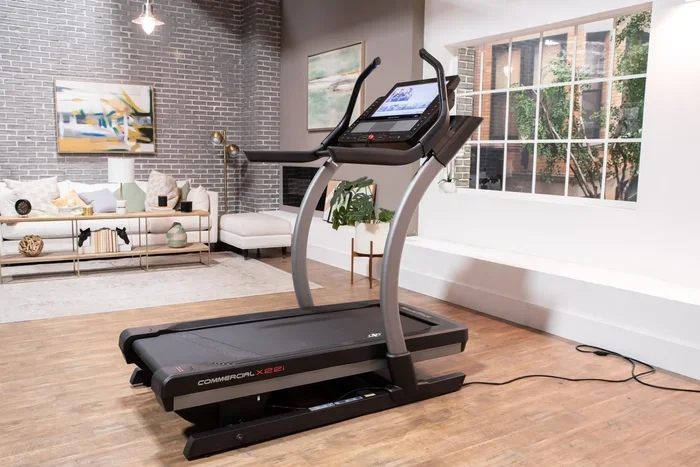
Finding the right number of minutes on your treadmill to burn fat depends on your fitness level, intensity, and goals. Most experts recommend 30 to 60 minutes of moderate treadmill exercise, 4 to 5 days per week, for steady fat loss. Whether you prefer walking, jogging, or running, the key is consistency and matching your workout to your body’s needs.
So you want to know how many minutes on treadmill to burn fat. Maybe you just bought a home treadmill and feel excited. Maybe you have been walking on one for weeks and wonder if you are doing enough. Either way, you are in the right place.
The truth is, there is no single magic number. The minutes you need depend on your weight, your fitness level, the speed you use, and the kind of workout you choose. But do not worry. We are going to break it all down in simple terms so you can get started right away and see real results.
Whether you prefer a brisk walk or a full-on sprint, this guide will show you exactly how to use your treadmill to burn fat the smart way. Let us get into it.
Key Takeaways
- 30 to 60 minutes of treadmill exercise per session is the sweet spot for most people looking to burn fat effectively.
- Walking on an incline can burn nearly as many calories as running, making it a great low-impact option.
- HIIT treadmill workouts shorten your session time while still delivering serious fat-burning results.
- Consistency matters more than intensity — showing up regularly beats pushing too hard and quitting early.
- Your body weight, fitness level, and treadmill speed all play a role in how quickly you burn fat.
- Tracking your treadmill minutes and calories helps you stay accountable and adjust your plan over time.
- Combining treadmill workouts with a balanced diet accelerates fat loss far more than exercise alone.
📑 Table of Contents
- How Long Should You Walk or Run on a Treadmill to Burn Fat?
- Best Treadmill Workout Plans for Fat Loss
- Walking vs Running: Which Burns More Fat on the Treadmill?
- How to Maximize Fat Burning on the Treadmill
- Common Mistakes That Slow Down Fat Loss on the Treadmill
- How to Track Your Progress and Stay Consistent
- How Does Your Body Burn Fat During Treadmill Exercise?
- Final Thoughts
How Long Should You Walk or Run on a Treadmill to Burn Fat?
The most common question people ask is, “How long do I need to be on the treadmill?” The answer depends on what kind of exercise you are doing and how hard you push yourself.
Here is a quick breakdown of time frames based on workout type:
- Walking (3 to 4 mph): Aim for 45 to 60 minutes per session. Walking burns fat steadily, especially when you add an incline. It is gentle on your joints and easy to sustain over weeks and months.
- Brisk Walking (4 to 5 mph): 30 to 45 minutes works well. You will raise your heart rate enough to tap into fat stores without feeling wiped out.
- Jogging (5 to 7 mph): 25 to 40 minutes is a solid range. Jogging boosts your calorie burn significantly compared to walking.
- Running (7+ mph): 20 to 30 minutes can do the job. Running burns a high number of calories in a short window, making it efficient for fat loss.
The American College of Sports Medicine suggests at least 150 minutes of moderate cardio or 75 minutes of vigorous cardio per week for health benefits. For fat loss specifically, doubling that amount often gives better results. This means you might need 300 minutes of moderate treadmill work or 150 minutes of vigorous work each week.
That sounds like a lot, but it breaks down to about 40 to 60 minutes per day, 5 days a week. Once you build it into a routine, it becomes second nature.
What Is the Fat-Burning Zone on a Treadmill?
You may have heard the term “fat-burning zone.” It refers to a heart rate range where your body uses fat as its primary fuel source. This zone typically sits between 60 and 70 percent of your maximum heart rate.
To find your approximate fat-burning zone, subtract your age from 220. Then multiply that number by 0.60 and 0.70. For example, if you are 35 years old, your fat-burning zone would be roughly 111 to 130 beats per minute.
Walking on an incline is one of the best ways to stay in this zone without overloading your body. You can check your heart rate with a fitness watch or the sensors built into many treadmills. Staying in this zone for 30 minutes or more encourages your body to pull energy from fat stores.
However, do not get too hung up on the zone. Higher-intensity workouts burn more total calories, which also leads to fat loss even if you are not technically in the “fat-burning zone.” The best workout is the one you will actually do consistently.
Best Treadmill Workout Plans for Fat Loss
Not all treadmill workouts are created equal. Some burn more fat per minute, while others build endurance so you can exercise longer over time. Here are three proven plans you can try this week.
Plan 1: The Steady Incline Walk
This plan is perfect for beginners or anyone who prefers low-impact exercise. Set your treadmill to a 3 to 4 percent incline and walk at 3.5 to 4 mph. Maintain this for 40 to 50 minutes. The incline forces your body to work harder, which increases calorie burn and targets your glutes and hamstrings.
Try this schedule:
- Monday: 45 minutes steady incline walk
- Wednesday: 40 minutes steady incline walk
- Friday: 50 minutes steady incline walk
- Sunday: 30 minutes recovery walk at 2 percent incline
Over a few weeks, increase the incline by half a percent or add five minutes to your session. Small progress adds up fast.
Plan 2: The Treadmill HIIT Workout
High-intensity interval training, or HIIT, alternates between short bursts of all-out effort and brief recovery periods. These workouts are incredibly effective for burning fat because they keep your metabolism elevated long after you step off the treadmill.
Here is a simple HIIT treadmill session:
- Warm up with a 3-minute walk at 3 mph.
- Sprint at 8 to 10 mph for 30 seconds.
- Recover with a 60-second walk at 3 mph.
- Repeat the sprint and recovery cycle 8 to 10 times.
- Cool down with a 3-minute walk.
This entire workout takes only 20 to 25 minutes. If you are short on time, this is the plan for you. Research shows that HIIT can burn a similar amount of fat as longer steady-state cardio sessions, but in a fraction of the time.
Plan 3: The Progressive Fat-Burner
This plan mixes walking and jogging to keep things interesting and challenge your body in new ways. Start with a 5-minute warm-up walk. Then alternate 3 minutes of jogging at 5.5 mph with 2 minutes of walking at 3.5 mph. Repeat this cycle for 25 to 30 minutes. Finish with a 5-minute cool-down walk.
The alternating pace prevents boredom and keeps your heart rate fluctuating, which is excellent for fat oxidation. You can adjust the jogging intervals to match your current fitness level. If 5.5 mph feels too fast, drop it to 5 mph. The goal is to challenge yourself without burning out.
Walking vs Running: Which Burns More Fat on the Treadmill?
This is a debate that has been going on for years. The short answer is: both work, but they work differently. Let us look at the details.
Running on a treadmill burns more calories per minute than walking. A 155-pound person burns roughly 300 calories in 30 minutes of running at 6 mph. The same person burns about 150 calories in 30 minutes of walking at 3.5 mph. So running clearly wins in the calorie-burning department.
But here is the catch. Running is harder on your joints, requires more recovery time, and can be tough to sustain every day. Walking, on the other hand, is something almost anyone can do. You can walk every single day without risking injury or burnout.
Interestingly, walking on a steep incline can rival running in terms of calorie burn. A study published in the Journal of Sports Sciences found that walking at a 12 percent incline at 3 mph burned nearly the same number of calories as running at 6 mph. That is great news if you prefer walking.
So which should you choose? If you are just starting out, begin with walking and gradually add jogging intervals. If you are already comfortable running, mix in some walking days to give your body a break. The best treadmill workout is the one you enjoy enough to stick with.
And if you are specifically wondering about belly fat, check out our guide on will running on the treadmill burn belly fat for targeted insights.
How to Maximize Fat Burning on the Treadmill
Want to get the most out of every minute on your treadmill? These practical tips will help you burn fat faster and smarter.
Use Incline to Boost Calorie Burn
Adding incline is one of the simplest ways to increase your calorie burn without increasing your speed. Even a 1 to 2 percent incline makes your body work harder because you are essentially walking or running uphill.
For fat loss, try setting your incline to 4 to 6 percent during your walking sessions. If you are jogging, a 2 to 4 percent incline adds challenge without making the workout unbearable. You can also try the “12-3-30” method — walking at 3 mph on a 12 percent incline for 30 minutes. Many people swear by it for steady fat loss.
Focus on Consistency Over Intensity
It is tempting to go all out on day one and then quit a week later. That approach rarely works. Instead, aim for consistency. Show up on the treadmill 4 to 5 times per week, even if some sessions are shorter or easier than others.
Your body adapts to regular exercise. Over time, your metabolism improves, your endurance grows, and your body becomes more efficient at burning fat. This process takes weeks and months, not days. Patience is your greatest tool.
Pair Your Treadmill Workouts with Proper Nutrition
Exercise alone will not melt away fat if your nutrition does not support it. You cannot outrun a bad diet. Focus on eating whole foods — lean proteins, vegetables, fruits, and whole grains. Create a modest calorie deficit of 300 to 500 calories per day for steady, sustainable fat loss.
You do not need to count every single calorie. Simply making smarter food choices — like swapping sugary drinks for water and adding more vegetables to your plate — goes a long way. If you want a deeper dive into calorie burn, our article on how many calories does walking on a treadmill burn covers this topic in detail.
Track Your Progress
One of the best ways to stay motivated is to track your treadmill minutes, distance, and calories burned. Most modern treadmills display this information automatically. You can also use a fitness app or smartwatch to log your sessions.
Write down your numbers each week. Over time, you will see patterns. Maybe your pace is improving, or you can go longer without getting tired. These small wins keep you motivated and remind you that your hard work is paying off.
For more strategies on maximizing your treadmill sessions, read our piece on how to burn the most calories on a treadmill. It is packed with actionable tips.
Common Mistakes That Slow Down Fat Loss on the Treadmill
Even with the best intentions, it is easy to make mistakes that hold back your progress. Here are the most common ones and how to fix them.
- Holding onto the handrails: This reduces your calorie burn by up to 25 percent and throws off your posture. Let your arms swing naturally or use light dumbbells instead.
- Doing the same workout every day: Your body adapts quickly. Mix up your speeds, inclines, and workout types to keep challenging yourself.
- Skipping warm-ups and cool-downs: Jumping straight into high speed increases your risk of injury. Always start with 3 to 5 minutes of easy walking and finish the same way.
- Overestimating calories burned: Treadmill calorie counters are often inaccurate. They tend to overestimate burn by 10 to 20 percent. Use them as a rough guide, not an exact number.
- Not sleeping enough: Poor sleep raises cortisol, a hormone that promotes fat storage, especially around the midsection. Aim for 7 to 9 hours of quality sleep each night.
Avoiding these mistakes will help you get better results from the same amount of time on the treadmill. Small adjustments lead to big changes over weeks and months.
How to Track Your Progress and Stay Consistent
Consistency is the secret ingredient in any fat-loss journey. But staying consistent is easier when you can see your progress.
Start by setting a realistic weekly goal. For example, aim for 150 minutes of treadmill exercise per week. That is only about 30 minutes a day, 5 days a week. Once that feels easy, increase to 200 or 250 minutes.
Use a simple journal or a phone app to log each session. Record the date, duration, speed, incline, and how you felt. After a month, look back and you will be surprised by how far you have come.
Also, pay attention to non-scale victories. Your clothes might fit better. You might feel more energetic. Your endurance on the treadmill might improve. These signs show that your body is changing, even if the scale does not move as fast as you would like.
Remember, fat loss is a gradual process. Trust the work you are putting in. The minutes you spend on that treadmill are building toward a healthier, stronger you.
How Does Your Body Burn Fat During Treadmill Exercise?
Understanding the science behind fat burning can help you make smarter workout choices. When you exercise on a treadmill, your body uses two main fuel sources: glycogen (stored carbohydrates) and fat. During low to moderate exercise, your body relies more heavily on fat for fuel. As intensity increases, it shifts toward glycogen.
However, the total amount of fat you burn depends on your overall calorie expenditure. A higher-intensity workout burns more total calories, which means more total fat burned over time, even if the percentage of fat used as fuel is lower during the workout itself.
This is why combining steady-state cardio with higher-intensity sessions works so well. The steady sessions build your aerobic base, while the intense sessions boost your calorie burn and metabolic rate. Together, they create a powerful fat-burning combination.
Your metabolism also stays elevated after intense treadmill sessions. This is called excess post-exercise oxygen consumption, or EPOC. During EPOC, your body continues to burn calories at an elevated rate for hours after your workout ends. This is one of the biggest benefits of HIIT-style treadmill training.
For more information on how different treadmill speeds and inclines affect fat burning, check out our guide on what speed and incline on treadmill to burn fat.
Final Thoughts
So, how many minutes on treadmill to burn fat? The honest answer is that it depends on you. Your starting point, your goals, and your lifestyle all matter. But the most important thing is to start and stay consistent.
Aim for at least 30 minutes of treadmill exercise per session, 4 to 5 days a week. Mix walking, jogging, and HIIT workouts to keep things fresh and challenging. Use incline to boost your effort without increasing speed. Pair your workouts with good nutrition and plenty of rest.
There is no shortcut. But there is a path. And every minute you spend on that treadmill is a step closer to the fitter, healthier version of yourself. Trust the process, track your progress, and celebrate the small wins along the way.
Your body is capable of amazing things. All you have to do is show up and put in the work. The treadmill is ready. All you need to do is start moving.
Frequently Asked Questions
How many minutes on a treadmill should I do to lose belly fat?
There is no spot-reduction trick, but consistent treadmill exercise helps reduce overall body fat, including belly fat. Aim for 30 to 60 minutes of moderate treadmill exercise, 4 to 5 times per week. Combining this with a healthy diet will give you the best results for reducing belly fat over time.
Is 30 minutes on the treadmill enough to burn fat?
Yes, 30 minutes can be enough, especially if you maintain a moderate to vigorous intensity. Walking briskly, jogging, or doing a HIIT session for 30 minutes creates a meaningful calorie deficit. For optimal results, combine it with a balanced diet and regular exercise routine.
What is the best treadmill speed to burn fat?
The best speed depends on your fitness level. Walking at 3.5 to 4.5 mph with an incline is excellent for beginners. Jogging at 5 to 7 mph works well for intermediate users. Running at 7+ mph is ideal for advanced exercisers. The key is choosing a speed you can sustain for 20 to 45 minutes without burning out.
Should I walk or run on the treadmill to burn fat faster?
Running burns more calories per minute than walking, so it can lead to faster fat loss in less time. However, walking on a steep incline is a fantastic alternative that is easier on your joints. The best choice is whichever one you can do consistently. Consistency always wins over intensity.
How many days a week should I use the treadmill to burn fat?
For steady fat loss, aim for 4 to 5 treadmill sessions per week. If you are doing moderate workouts, 30 to 60 minutes each session works well. If you are doing HIIT, 20 to 30 minutes per session is sufficient. Make sure to include at least one or two rest days for recovery.
Can I burn fat on the treadmill by just walking?
Absolutely. Walking on a treadmill, especially with an incline, burns a significant number of calories and taps into fat stores. While it may take longer than running to burn the same number of calories, walking is sustainable for most people and carries a very low risk of injury. Over weeks and months, consistent walking adds up to real fat loss.