Can Walking on a Treadmill Help Lose Belly Fat
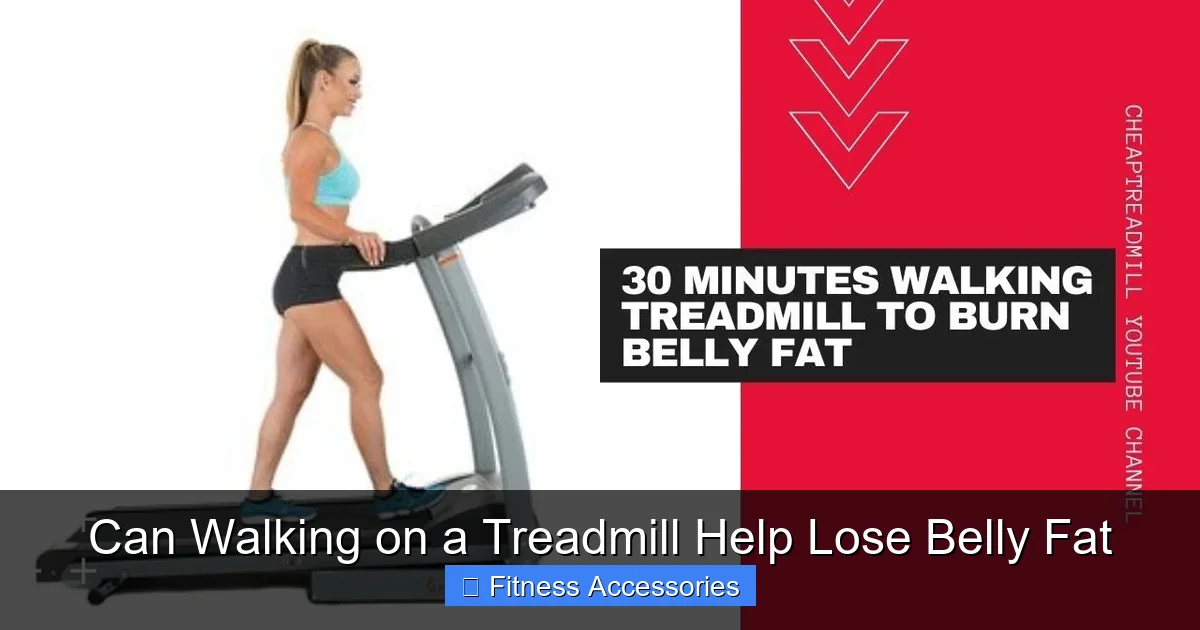
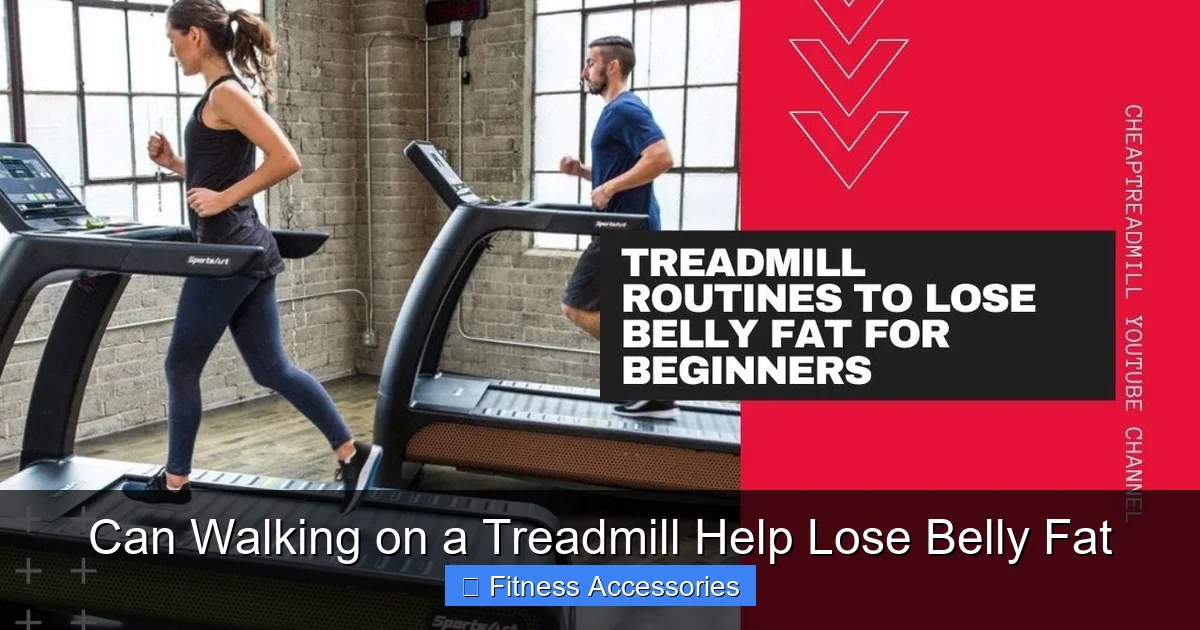
Yes, walking on a treadmill can help you lose belly fat, but not by targeting it directly. It works by creating a calorie deficit, which leads to overall fat loss, including from the abdominal area. For the best results, combine consistent treadmill sessions with a healthy diet and strength training to boost metabolism and tone your core.
Key Takeaways
- Spot reduction is a myth: You cannot choose where your body loses fat first, including your belly. Treadmill walking promotes overall fat loss.
- Calorie deficit is key: Walking burns calories, and when combined with a slight dietary deficit, it forces your body to use stored fat, including visceral belly fat, for energy.
- Consistency trumps intensity: Regular, moderate-paced treadmill walking (30-60 minutes most days) is more sustainable and effective for long-term fat loss than occasional intense bursts.
- Incline is your secret weapon: Adding incline significantly increases calorie burn, engages more muscle groups (glutes, hamstrings, core), and improves cardiovascular fitness, accelerating fat loss.
- Diet is non-negotiable: No amount of walking will overcome a poor diet. Focusing on whole foods, protein, and fiber is essential to reveal the muscle underneath the fat.
- Combine with strength training: Building muscle through resistance exercises increases your resting metabolic rate, meaning you burn more calories 24/7, making treadmill walking even more effective.
- Track beyond the scale: Use a tape measure for waist circumference and take progress photos. The scale can be misleading due to muscle gain and water fluctuations.
📑 Table of Contents
- The Science of Fat Loss: Why You Can’t “Spot Reduce” Belly Fat
- How Treadmill Walking Creates the Perfect Calorie-Burning Environment
- Crafting the Perfect Treadmill Walking Routine for Belly Fat Loss
- The Critical Role of Nutrition: You Can’t Out-Walk a Bad Diet
- Complementary Exercises: The Belly Fat Loss Power Duo
- Tracking Progress and Overcoming Plateaus
- Conclusion: The Steady Path to a Flatter Belly
The Science of Fat Loss: Why You Can’t “Spot Reduce” Belly Fat
Let’s start with the most important truth: you cannot specifically tell your body to burn fat from your stomach by doing any single exercise, including walking on a treadmill. The idea of “spot reduction” is one of the most persistent myths in fitness. When your body needs energy from stored fat, it draws from fat cells all over your body in a pattern largely determined by genetics, hormones, and gender. For many people, belly fat—especially the deeper, harmful visceral fat—is one of the last places to shrink.
So, how does walking on a treadmill help? It contributes to a systemic, whole-body calorie deficit. When you consistently burn more calories than you consume, your body taps into its fat reserves for fuel. Over time, this leads to a reduction in fat stores everywhere, including your abdominal region. Think of your body fat like a swimming pool. You can’t drain just one corner; you lower the water level across the entire pool. Treadmill walking is a highly effective, low-impact way to start pulling that plug.
The Role of Visceral vs. Subcutaneous Fat
It’s helpful to understand the two main types of belly fat. Subcutaneous fat is the soft, pinchable layer just under your skin. Visceral fat is the deep, dangerous fat that wraps around your internal organs like the liver and pancreas. High levels of visceral fat are linked to increased risks for heart disease, type 2 diabetes, and certain cancers. The great news is that visceral fat is often the first to metabolize when you create a consistent calorie deficit through diet and exercise like treadmill walking. This means you may see noticeable improvements in your waistline and, more importantly, your health, even before the subcutaneous fat fully diminishes.
How Treadmill Walking Creates the Perfect Calorie-Burning Environment
Now that we know the “how,” let’s talk about why the treadmill is such a fantastic tool for this job. Its primary advantage is control and accessibility, which directly impacts your ability to be consistent—the single most important factor for fat loss.

Visual guide about Can Walking on a Treadmill Help Lose Belly Fat
Image source: treadmillreviewcenter.com
Consistency and Low-Impact Accessibility
Walking is a natural, fundamental movement pattern. It’s low-impact, which is gentle on your joints (knees, hips, ankles) compared to running or high-impact aerobics. This means you can do it day after day without needing long recovery periods. The treadmill removes common barriers: you can walk regardless of weather, time of day, or neighborhood safety. This reliability builds the habit of daily movement, which is the cornerstone of creating a lasting calorie deficit. A 30-minute walk on a treadmill at a moderate pace (3.5-4.5 mph) for a 155-pound person burns roughly 150-200 calories. Do that five times a week, and you’ve created a weekly deficit of 750-1000 calories from exercise alone.
The Power of Incline: Turning a Walk into a Workout
Here’s where you supercharge your treadmill sessions. Adding incline is the single biggest lever you can pull to increase intensity and calorie burn without increasing impact stress. Walking uphill engages your glutes, hamstrings, and calves far more than flat walking. It also forces your core to work harder to stabilize your torso. A 5% incline can increase calorie burn by 30-50% compared to a 0% grade at the same speed. Start with a 1-2% incline and gradually work your way up. Even a small, consistent incline dramatically improves cardiovascular fitness and muscular endurance, contributing to a higher daily calorie expenditure.
Heart Rate Zone and Fat-Burning Myth
You’ve likely heard about the “fat-burning zone” (typically 60-70% of your max heart rate). While exercising in this zone does utilize a higher *percentage* of calories from fat, exercising at a higher intensity (70-85%) burns more *total* calories in the same amount of time. For fat loss, total daily calorie deficit is the ultimate goal. A mix is best: most of your walking can be in the moderate zone for sustainability and recovery, but incorporating intervals of higher intensity (like 2 minutes at a brisk pace with a 1-minute recovery) can boost the “afterburn effect” (EPOC), where your body continues to burn extra calories for hours after your workout.
Crafting the Perfect Treadmill Walking Routine for Belly Fat Loss
Knowing the theory is one thing; having a clear, actionable plan is another. A well-structured routine keeps you progressing and prevents plateaus. The key variables are frequency, duration, speed, and incline.
Visual guide about Can Walking on a Treadmill Help Lose Belly Fat
Image source: i.ytimg.com
Weekly Structure: Building the Habit
Aim for 4-6 days per week of treadmill walking. This frequency is enough to drive results while allowing for active recovery or rest days. A sample weekly structure could be:
- Monday: 45-minute steady-state walk (moderate pace, 2-3% incline)
- Tuesday: 30-minute interval walk (2 min brisk/1 min recovery, varying incline)
- Wednesday: Rest or light activity (stretching, leisurely walk)
- Thursday: 45-minute hill walk (focus on steadily increasing incline every 5 minutes)
- Friday: 30-minute steady-state walk
- Saturday: 50-60 minute longer, moderate walk (great for weekend routine)
- Sunday: Rest
Sample Workouts: From Beginner to Advanced
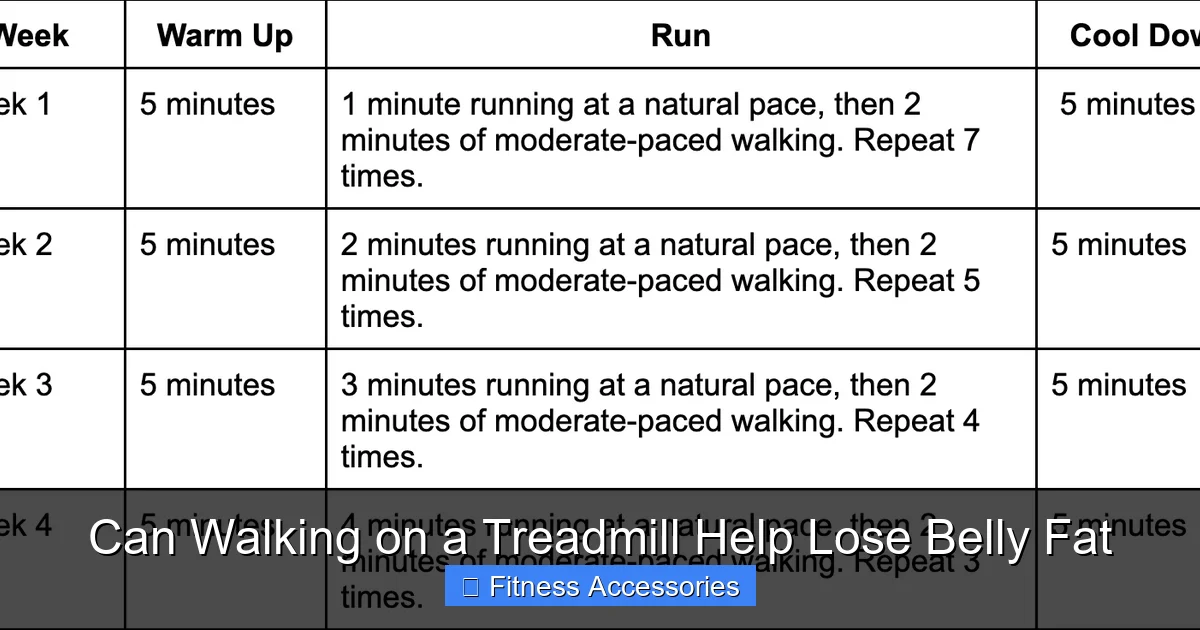
Beginner (First 4 Weeks): Focus on time, not speed or incline. Start with 20-30 minutes at a pace where you can hold a conversation (the “talk test”). Use a 1% incline. The goal is to build the habit and condition your joints.
Intermediate (4+ Weeks): Introduce structured intervals. Try a “pyramid” workout: 5 min warm-up (0% incline), then 1 min at 3% incline, 2 min at 2%, 3 min at 3%, 2 min at 2%, 1 min at 3%, 5 min cool-down. Adjust times and inclines.
Advanced: Incorporate “power walking” at the upper end of your comfortable walking speed (4-4.5 mph) with challenging inclines (4-6%). Try “walk-run” intervals: 3 min power walk (4% incline), 1 min jog (1% incline), repeat.
Warm-Up and Cool-Down: Non-Negotiable
Always start with 5 minutes of slow walking (0% incline) to gradually increase heart rate and lubricate joints. End with 5 minutes of slow walking and 5 minutes of dynamic stretching (leg swings, torso twists, calf stretches). This improves recovery, reduces soreness, and prevents injury, ensuring you can stick to your schedule.
The Critical Role of Nutrition: You Can’t Out-Walk a Bad Diet
This section is crucial. Treadmill walking creates the opportunity for fat loss, but nutrition provides the conditions. You could walk for an hour and burn 300 calories, but one post-workout sugary coffee or a large bagel can easily erase that deficit. To lose belly fat, you must consume fewer calories than you burn.
Creating a Sustainable Calorie Deficit
Use an online TDEE (Total Daily Energy Expenditure) calculator to estimate your maintenance calories. Subtract 300-500 calories from that number for a safe, sustainable deficit. Extreme deficits lead to muscle loss, metabolic slowdown, and burnout. Focus on food quality:
- Prioritize Protein: Aim for 0.7-1 gram of protein per pound of body weight. Protein boosts metabolism, increases satiety (feeling full), and is essential for preserving muscle mass during fat loss. Include chicken, fish, eggs, Greek yogurt, tofu, and legumes.
- Embrace Fiber: Soluble fiber (from oats, beans, avocados, berries) can help reduce visceral fat by promoting fullness and improving gut health. Aim for 25-30g daily.
- Limit Processed Carbs & Sugars: These spike insulin, a fat-storage hormone, and are calorie-dense with little nutritional value. Swap white bread/pasta for whole grains, and drastically reduce sugary drinks and snacks.
- Healthy Fats in Moderation: Fats from nuts, seeds, olive oil, and avocado are essential for hormone function and satiety, but they are calorie-dense. Measure portions.
Visual guide about Can Walking on a Treadmill Help Lose Belly Fat
Image source: i.ytimg.com
Meal Timing and Belly Fat
While total daily calories matter most, some strategies can help manage hunger and energy for your walks. Avoid exercising on a completely empty stomach if you feel dizzy or weak. A small, carb-based snack (e.g., a banana) 30-60 minutes before a longer or more intense walk can improve performance. Post-workout, a protein-rich meal or snack within 2 hours aids recovery. Some people find that limiting large, late-night meals helps reduce bloating and supports better overnight recovery, which can positively affect belly appearance.
Complementary Exercises: The Belly Fat Loss Power Duo
While treadmill walking is your aerobic engine, adding strength training 2-3 times per week is the turbocharger for belly fat loss. Here’s why and how.
Building Muscle to Boost Metabolism
Muscle tissue is metabolically active. It burns calories even at rest. When you lose weight through diet and cardio alone, you lose a significant portion from muscle, slowing your metabolism. Strength training—using bodyweight, dumbbells, resistance bands, or machines—signals your body to preserve and even build muscle while in a calorie deficit. A higher muscle mass means a higher resting metabolic rate, so you burn more calories all day, making your treadmill walking even more effective for fat loss.
Core-Specific Work: Toning the Foundation
Remember, you can’t “spot reduce” fat, but you can “spot increase” muscle and improve posture. A strong core creates a tighter, flatter appearance under the fat and supports your spine during daily activities and your walks. Add these 2-3 times a week:
- Planks & Variations: Standard, side, and forearm planks build overall core stability.
- Dead Bugs: Excellent for strengthening the deep transverse abdominis.
- Bridges: Target glutes and lower back, supporting pelvic alignment.
- Bicycle Crunches: Engage the obliques and rectus abdominis dynamically.
A stronger core also improves your walking posture, allowing for more powerful strides and better engagement of your abdominal muscles during treadmill sessions.
Tracking Progress and Overcoming Plateaus
Relying solely on the scale is a recipe for frustration. The scale measures weight, not composition. You could be losing fat and gaining muscle, causing the number to stall even as your body transforms.
Better Metrics Than the Scale
- Waist Circumference: Use a soft tape measure. Measure at the level of your navel, or at the narrowest point of your torso. Track every 2-4 weeks. A shrinking waist is the most direct indicator of losing belly fat.
- Progress Photos: Take front, side, and back photos in the same lighting and clothing every 4 weeks. Visual changes are often more telling than numbers.
- How Clothes Fit: Your jeans getting looser around the waist is a victory.
- Performance Gains: Can you walk longer, faster, or at a higher incline than before? This is a huge sign of improved fitness and metabolism.
Breaking Through a Fat Loss Plateau
If your waist measurement and photos stop changing for 3-4 weeks, your body has adapted. It’s time to adjust:
- Reassess Your Calories: As you lose weight, your TDEE decreases. You may need to shave off another 100-200 calories or increase activity.
- Change Your Treadmill Routine: Your body adapts to repetitive motion. Increase incline, try a new interval pattern, or add a few minutes to your walk.
- Increase NEAT: Non-Exercise Activity Thermogenesis. This is all the movement you do outside the gym: taking the stairs, pacing while on the phone, doing household chores. Boosting NEAT can add significant calorie burn.
- Prioritize Sleep and Stress Management: High cortisol (stress hormone) levels promote visceral fat storage. Aim for 7-9 hours of quality sleep and find stress-reducing activities like meditation or walking in nature.
Conclusion: The Steady Path to a Flatter Belly
Walking on a treadmill is not a magical belly-fat-melting machine, but it is one of the most powerful, sustainable, and accessible tools you can use in your fat-loss arsenal. It works by systematically creating the calorie deficit necessary for your body to tap into its fat reserves, including the stubborn visceral fat around your midsection. The key is to move beyond the myth of spot reduction and embrace the science of consistent, whole-body fat loss.
Your success hinges on three pillars: consistent treadmill walking (prioritizing incline and variety), a supportive, protein-rich diet that maintains a modest calorie deficit, and complementary strength training to build metabolism-boosting muscle and tone your core. Track your progress with waist measurements and photos, not just the scale. Be patient—belly fat is often the last to go. But by committing to this smart, multi-faceted approach, you are not just chasing a smaller waistline; you are building a healthier, stronger, and more resilient body from the inside out. Start with a 20-minute walk today, and let the steady, reliable motion of the treadmill be your partner on this journey.
Frequently Asked Questions
How often should I walk on a treadmill to lose belly fat?
Aim for at least 4-5 days per week, with sessions lasting 30-60 minutes. Consistency is far more important than occasional long, intense sessions. Pair this with a healthy diet for a sustainable calorie deficit.
Will walking on an incline help me lose belly fat faster?
Yes, significantly. Walking on an incline burns substantially more calories per minute than flat walking by engaging more muscle mass. It also builds lower body and core strength, which boosts your resting metabolism over time, accelerating overall fat loss.
Can I lose belly fat by just walking on a treadmill without changing my diet?
It’s very unlikely. While walking burns calories, it’s easy to consume those calories back with small dietary indulgences. A calorie deficit is mandatory for fat loss. You must combine treadmill walking with mindful eating, focusing on whole foods and portion control, to see meaningful belly fat reduction.
Is treadmill walking better for fat loss than walking outdoors?
Neither is inherently “better” for fat loss; calories burned depend on effort. The treadmill’s major advantage is control and consistency. You can precisely set speed and incline regardless of weather, terrain, or time, which often makes it easier to stick to a regular routine—the real key to success.
What speed and incline should I use on the treadmill for maximum fat loss?
There’s no single “best” setting. For most, a speed of 3.5-4.5 mph (a brisk pace where you can talk in short phrases) is effective. Start with a 1-2% incline and gradually increase it. The best setting is one that challenges you enough to elevate your heart rate into a moderate zone (you’re breathing harder but can still speak) and that you can sustain for your target duration.
How long will it take to see results in my belly from treadmill walking?
This varies greatly based on starting body fat, diet consistency, genetics, and workout intensity. You may notice clothes fitting looser or a slight waist measurement drop in 2-4 weeks. Significant visible changes typically take 8-12 weeks of dedicated effort combining walking, diet, and strength training. Be patient and focus on the process.